


Government Shifts Growth Strategy From Consumption To Investment
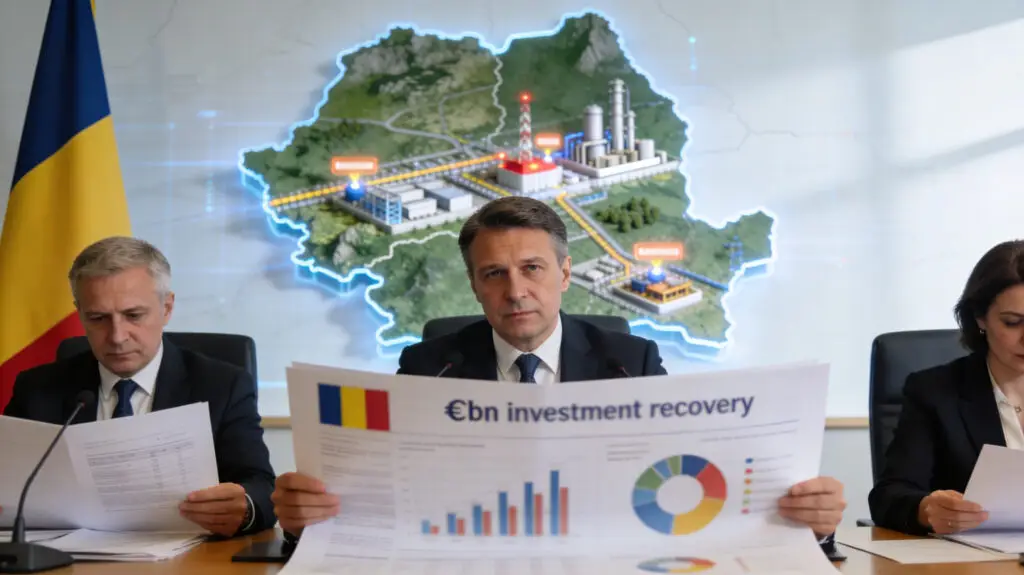
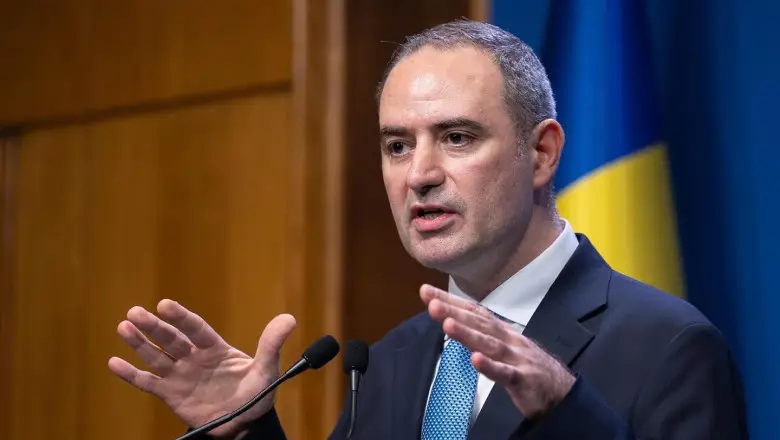
Romania announced a recovery package that will last for several years. Its goal is to shift economic growth from consumption to productive investment. Alexandru Nazare, the finance minister, said that talks with businesses helped set priorities that would help businesses stay competitive and strong over the long term. The program aims to make structural changes, give tax breaks, and realign state aid in a number of key areas.
The government’s estimates say that the 2026 budget will have an effect on national output of about 0.1%. Officials say that the savings from changing how the government works will more than make up for the short-term costs. Before it can be put into effect, the draft law needs to be made public and the European authorities need to be told about it.
Source: Digi24/Website
Budget Framework And Medium Term Fiscal Impact Explained
The recovery package is expected to cost about €400 million a year during the first rollout. Nazare stressed the importance of sticking to a budget while making sure that measures were in line with European fiscal requirements and national reform commitments. Authorities think that reforms will help stabilize public finances and open up bigger flows of private sector investment.
Officials expect that total mobilized investments across the country will come close to €4 billion over the entire time period. This number takes into account both public incentives and expected private capital participation. Over time, policymakers think that the multiplier effects will be stronger than the initial fiscal pressures.
Strategic Focus on Manufacturing And Trade Deficit Areas
One of the main goals is to help manufacturing industries where Romania has a lot of trade deficits. The plan sets aside about €1.05 billion to improve the country’s ability to make things. Officials want to lower the country’s reliance on imports and make exports more competitive in key industries.
About €150 million a year will go toward modernization and productivity improvements. Incentives are more likely to go to projects that can add a lot of value and transfer technology. The ministry hopes that over the course of several years, the balance in the industrial sector will get better.
Recommended Article: Iran Economic Collapse Fuels Deadly Protests Nationwide
Mineral Resources And High Technology Investment Priorities
Another €1.05 billion is set aside for responsible use of mineral resources. Officials see domestic resources as important for energy security and the supply chains of industry. Investments will focus on being efficient, environmentally friendly, and following environmental rules.
An extra €1.05 billion goes to the research, development, and high-tech sectors. Officials want to speed up the growth of innovation ecosystems and advanced technology skills. These steps are meant to help Romania move up in the value chains of European research and industry.
Defense, Competitiveness, And Regional Convergence Measures
The package will give about €200 million to investments related to defense. The money helps industries that work on both military and civilian projects and makes the country safer. Authorities stress that it must work with European defense cooperation frameworks.
€500 million more are aimed at making the economy more competitive and bringing regions closer together. The goal of these programs is to close the gaps in development between regions and help local economies stay strong. Officials say that balanced growth is important for the country’s long-term stability.
Incentives Supporting Diaspora And Returning Romanian Investors
The package sets aside €100 million to help Romanians who are coming back from abroad make investments. Policymakers want to use the money, skills, and business experience of people who live abroad. Incentives are meant to stop brain drain and encourage people to start businesses in their own country.
Nazare said that getting involved with the diaspora is important for long-term growth and new ideas. Targeted grants, tax breaks, and easier administrative tasks are some examples of support mechanisms. Officials think that returning investors will help create a lot of jobs in the area.
Long Term Goals For Competitiveness And Foreign Investment
The recovery plan is part of a bigger plan to make Romania more competitive on the world stage. Officials want to bring in better foreign direct investment by making policies that are easy to understand. The focus is on big projects that will have a long-term effect on the economy.
Nazare said that new tools will help Romania’s position in both regional and global markets. Officials think that consistent implementation will boost investor confidence over the next 10 years. The government says that the package is the basis for long-term changes in the economy.