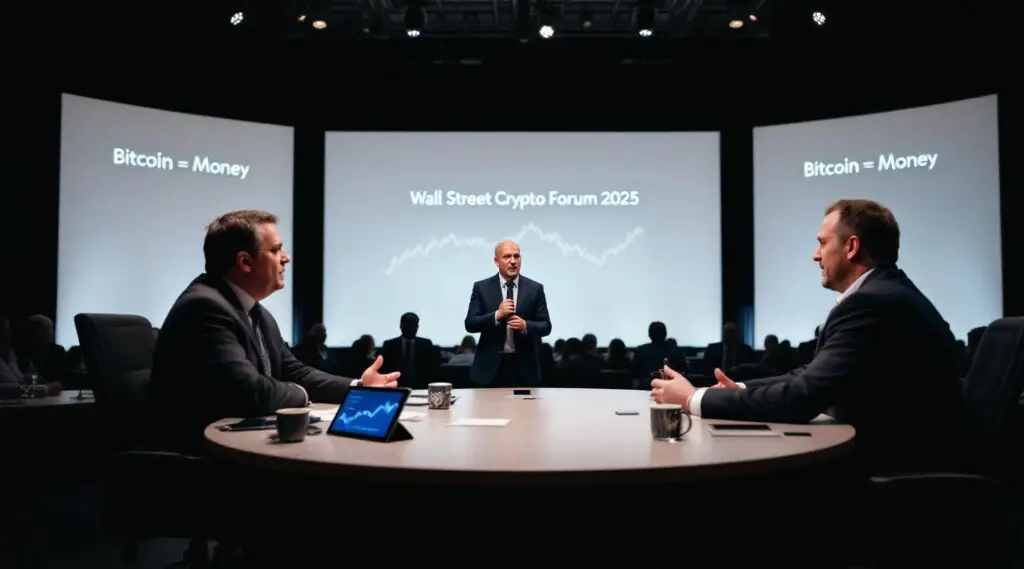




Emails Show Bitcoin Outreach Work
Jeffrey Epstein tried to get in touch with important Bitcoin developers directly. Newly released files show introductions, emails, and proposed meetings that took place over almost 7 years. The messages show that people are still interested in talks about early protocol development.
The papers include letters to and from people who helped with MIT’s Digital Currency Initiative. Some exchanges show interest, while others hint at possible funding talks. Being in the files doesn’t mean that someone did something wrong.
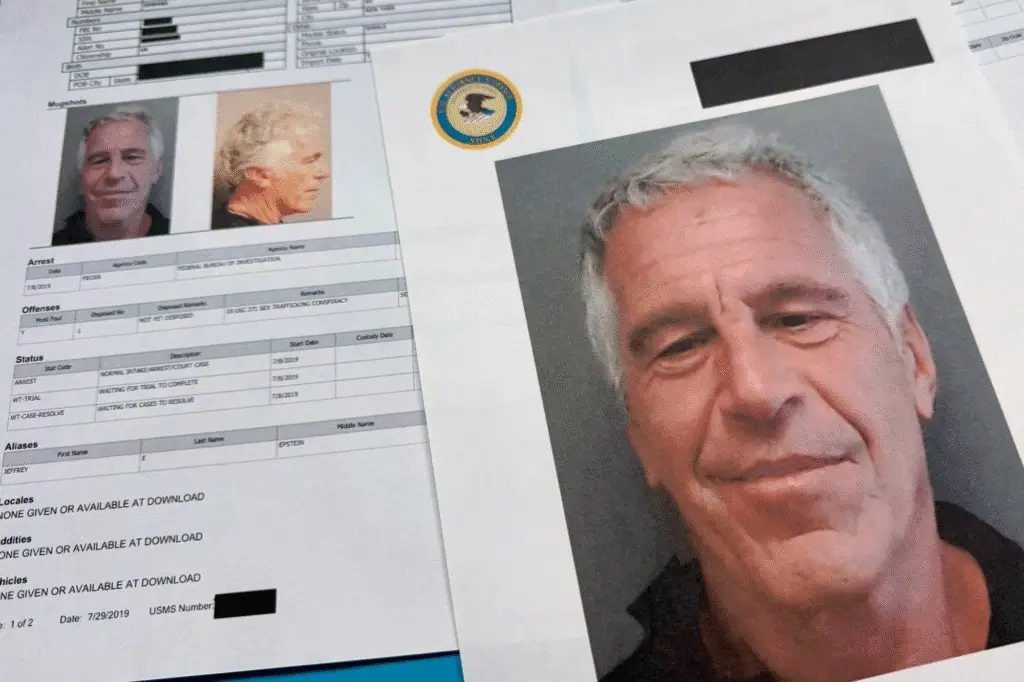
Source: Bloomber.com
MIT Funding And Developer Support
Over the course of several years, Epstein gave the Massachusetts Institute of Technology $850,000. The Digital Currency Initiative got $525,000 of that money. In 2015, some money went to Bitcoin Core developers in a roundabout way.
The MIT Media Lab became a major center for research on the Bitcoin protocol. Joichi Ito and Epstein talked a lot about lab projects. Emails said that bringing on Core developers was a big step forward for the company.
Jeremy Rubin’s Written Communications
Jeremy Rubin shows up in a lot of conversations that start in 2014. Rubin asked for money to keep doing research on blockchain. Epstein answered by giving details about possible ways to get money and hire people.
By 2018, communications included setting up in-person meetings and making investment pitches. Rubin later said that his engagement was professional and not personal. After the email was released, he said he was in favor of openness and responsibility.
Recommended Article: Why Has the Price of Bitcoin Plummeted?
Attempts To Contact Lead Maintainers
Epstein reached out to Gavin Andresen in 2011. Emails asked for talks about the risks of using Bitcoin and its long-term plans. Andresen turned down invitations to meet because of scheduling conflicts.
Other developers, like Wladimir van der Laan and Cory Fields, were also mentioned. There is no proof that anyone talked to Epstein directly. Most of the time, their names came up in talks about funding for administration.
Amir Taaki and Early Letters
Epstein got in touch with Amir Taaki directly in July 2011. Epstein called Bitcoin “brilliant” but warned of possible risks. Taaki first brought up the idea of a meeting through a co-founder.
After looking into Epstein’s past, it is said that they stopped talking to each other. Taaki publicly confirmed that he was distancing himself after learning more about the accusations. The interaction stayed limited in scope.
Wider Effects on the History of Bitcoin
The files show that Epstein was very interested in new decentralized technologies. His outreach showed that he was trying to use his wealth and connections to his advantage. But there is no proof that they were able to change protocol decisions.
Bitcoin development has always been based on working together in an open-source way. Distributed contributors, not a central authority, make decisions. The structure stops outside investors from having too much power.
Openness and constant checking
The release of documents to the public still causes arguments. People look at how financiers and technologists have worked together in the past. Transparency is still the most important thing to do to fix reputation problems.
Even though there is a lot of debate about it, Bitcoin’s decentralized governance model is still in place. The emails show closeness, not proof of control or manipulation. Looking at the past helps us understand how cryptocurrencies grew in the early days.