




Demographic Surge Drives Urgent Focus
At the World Government Summit in Dubai, education dominated discussions. Leaders emphasized its importance for Africa’s long-term growth and stability. Demographic projections have intensified the urgency for systemic reform.
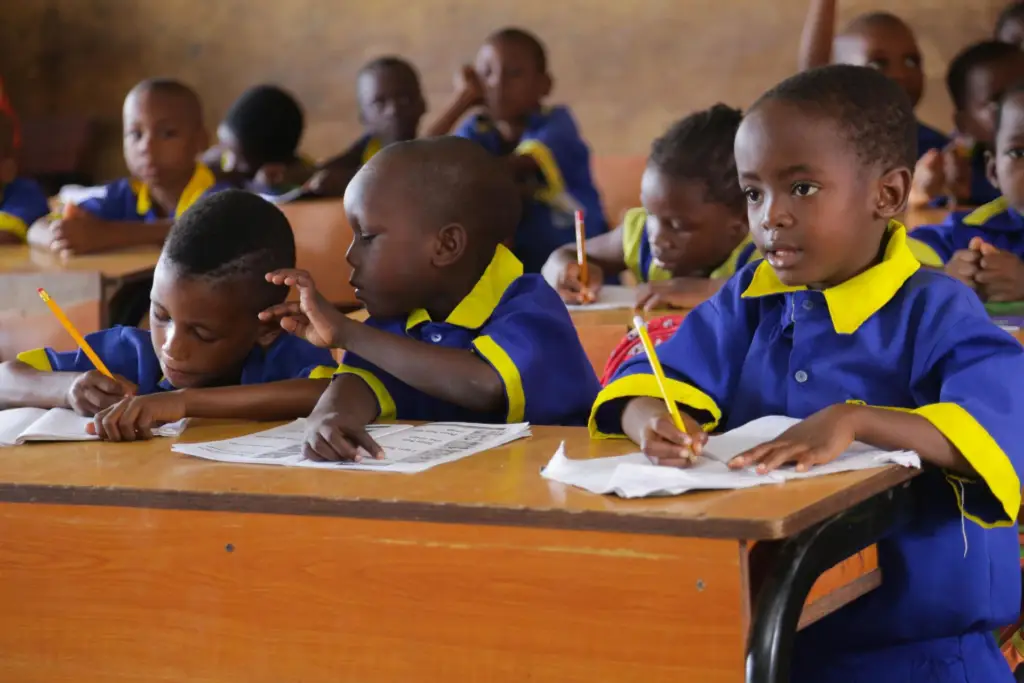
By 2050, nearly half of Africa’s population will be under 25. This youth bulge creates vast opportunities but also significant structural pressure. Education systems must expand capacity at unprecedented speed.
Source: Impakter/Website
Summit Leaders View Education as Transformational
Participants described education as the foundation of economic development. Policymakers linked it to employment, innovation, and institutional resilience. Investing in youth skills was framed as essential.
Speakers highlighted the connection between human capital and sustained growth. Expanding access supports social mobility and democratic participation. Education therefore serves both economic and civic purposes.
Long-Term Gains Require Political Patience
Laura Frigenti of the Global Partnership for Education addressed structural funding challenges. She noted that education demands substantial resources and delivers gradual returns. Political cycles often deprioritize long-term commitments.
Despite high upfront costs, long-term benefits remain compelling. Improved literacy and technical skills increase productivity. Sustainable transformation requires enduring political will.
Recommended Article: UK Education Strategy Draws Criticism for Weak Commitments
African Union Signals Renewed Commitment
The African Union designated 2024 as the Year of Education. The symbolic decision elevated policy focus across member states. Leaders sought alignment of continental strategies around youth empowerment.
Political momentum has facilitated collaboration among governments and institutions. The initiative aims to coordinate curriculum reform and infrastructure upgrades. Continental frameworks enhance accountability.
Financing Education Beyond Traditional Aid
Financing remains a core structural challenge. Many systems rely heavily on external donor funding. Policymakers increasingly advocate domestic revenue reforms.
Innovative financing mechanisms are gaining traction regionally. Strengthened tax systems could generate sustainable funding streams. Achieving scale requires moving beyond conventional aid models.
Nigeria Signals Continental Leadership Ambitions
Nigeria’s delegation emphasized its leadership aspirations within Africa. Minister Hannatu Musa Musawa stated that Nigeria sits at the center of continental progress. National advancement carries regional implications.
Nigeria’s large population heightens its strategic significance. Economic reforms there can influence neighboring economies. Educational transformation could catalyze broader continental change.
Balancing Opportunity With Structural Pressure
Africa’s demographic growth presents both risk and promise. Inadequate education may fuel instability and inequality. Effective reform could unlock new waves of innovation.
Leaders agreed education must anchor future policy agendas. Preparing younger generations is essential for sustained success. Africa’s trajectory will depend on its strategic priorities.