


Huawei Adds New Feature for Wheelchair Users to Make Things Easier
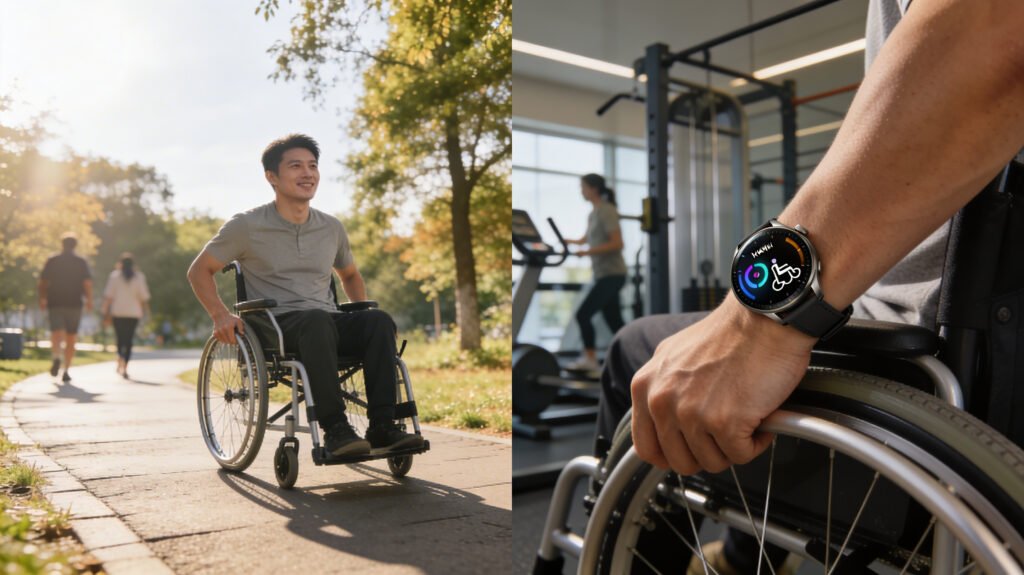
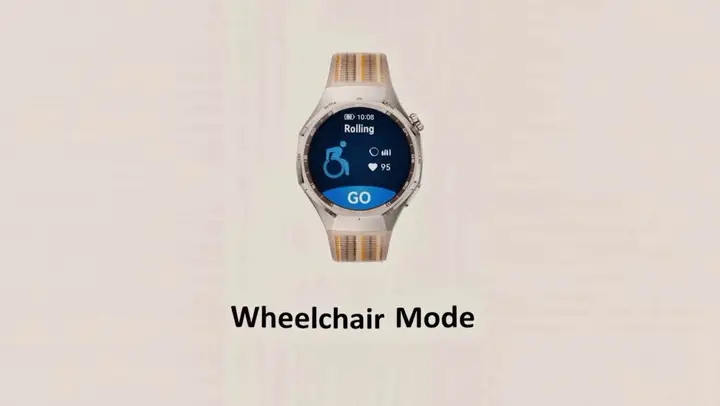
Huawei said that it had made a big update to the accessibility of its smartwatches. With the new Wheelchair Mode, Activity Rings can now accurately measure movement. This upgrade helps people who use wheelchairs to get around in their daily lives.
The feature replaces the old way of tracking steps with algorithms that detect pushes. These algorithms do a good job of capturing the unique movement patterns of wheelchair users. Huawei made the system to make it easier for people with different health and fitness needs to use it.
Source: YugaTech/Website
Wheelchair Mode Enhances Activity Tracking With Push Detection
For better accuracy, the mode counts pushes in a wheelchair instead of steps. Updated algorithms accurately read the frequency of pushes and the intensity of movement. Users get metrics that are more relevant to how they actually move around.
Better tracking makes sure that fitness goals accurately reflect activities that are specific to wheelchairs. Motivational messages and new icons help people stay interested in their daily tasks. This system gives users the power to keep track of their progress based on their own patterns of movement.
Activity Rings Redesigned To Track Movement For More People
Activity Rings now have new graphics that are better for activities that involve wheelchairs. Icons show rolling motion instead of the usual walking images. These changes make it clear that everyone is welcome while keeping design elements that people will recognize.
Motivational prompts were changed to get people to keep doing activities. Updated algorithms make it easier for wheelchair users to respond to different types of movement. The redesign makes it better for people who want meaningful progress indicators.
Recommended Article: AI Toy Maker Miko Adds On-Off Switch After Political Scrutiny
Huawei Highlights Global Commitment To Accessibility Innovation
Huawei said that every day, more than 80 million people around the world use wheelchairs. The company stressed how important it is to make technology that gives everyone power. This project shows that we are still committed to making digital content more accessible than just the basic features.
Developers worked on making software improvements that would meet the needs of many different types of users. Engineering teams worked with mobility experts to make sure the representation was correct. These combined efforts led to tools that help people become more independent by improving how they keep track of their health.
Rolling Workout Mode Gives Wheelchair Users More Ways To Get Fit
By the end of December, there will be a new Rolling workout mode. This mode keeps track of how many times you push and how many times you repeat during workouts. Detailed metrics give you exact information that helps you make personalized training plans.
The rolling mode adds more variety to workouts by giving wheelchair users routines that are better for them. It gives you more detailed performance data than just being able to detect movement. This new feature gives users more options for structured fitness progression.
Huawei Watch GT 6 Series Becomes First Device To Support Update
The HUAWEI WATCH GT 6 Series will be the first smartwatch to have Wheelchair Mode. Early adopters will benefit from better sensors and updated algorithms. This integration makes the device even more of a helpful wellness companion for everyone.
The new features make the GT 6 Series one of the best accessibility devices. The watch’s functional range grows a lot with the addition of Rolling mode. These improvements make it easier to get involved in active lifestyles.
Inclusive Design Signals New Era For Smartwatch Accessibility
Wheelchair Mode is an important step forward in the design of wearable technology that is accessible to everyone. It shows how technology can fill in the gaps in mainstream health tracking. Users get reliable tools that show their movement without having to change or adapt them.
Huawei’s method pushes for progress across the board, with a focus on making things easier to use. Improving digital wellness platforms makes the experiences of users around the world more fair. This change shows that more people are aware of the variety of mobility options in connected ecosystems.