Claude AI Used in Military Operation in Venezuela
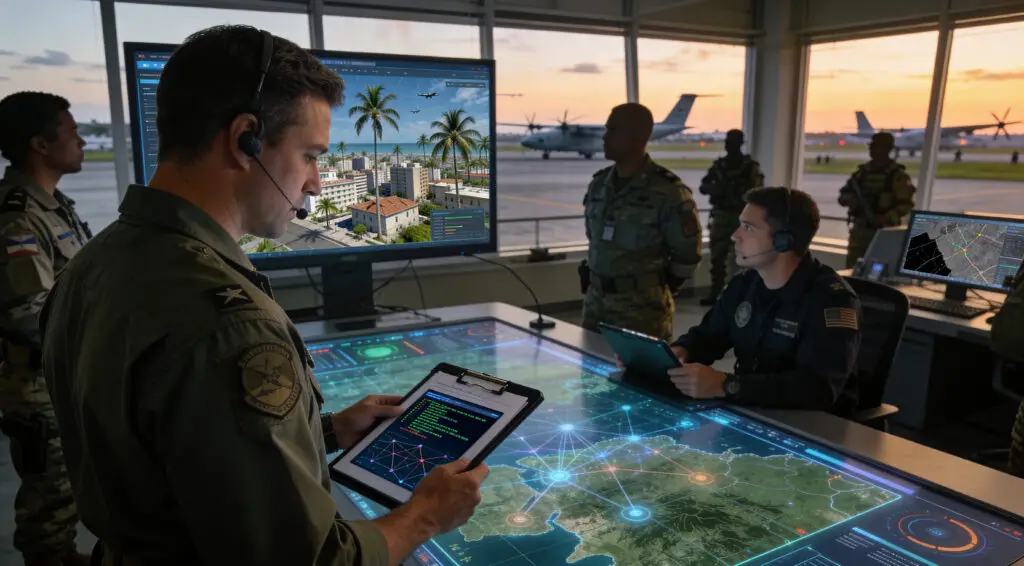
Reports say that the US military used Claude, an AI model made by Anthropic, during its secret operation in Venezuela. The report says that the system was added to the strategic planning processes that help make decisions about operations. Sources say that the AI helped with tasks like analyzing intelligence and coordinating missions.
According to statements from the defense ministry, the operation was aimed at Nicolás Maduro and involved coordinated strikes across Caracas. After bombing operations during the controversial raid, Venezuelan officials said 83 people had died. The incident quickly raised concerns about the use of artificial intelligence in deadly military missions.

Source: The Guardian/Website
Anthropic Policies And Restrictions On AI Use
Anthropic’s official rules say that you can’t use Claude for violent activities or to make weapons. The company also limits surveillance apps that could make it easier to target people or do bad things at work. These rules stress the importance of safety and responsible use of advanced AI systems.
A spokesperson said that any use by the government must strictly follow safety and contractual rules. But the company wouldn’t say for sure if Claude was directly involved in the operation in Venezuela. This lack of clarity has led to bigger questions about how defense partnerships are monitored and enforced.
Partnership with Palantir Allowed Military Access
Reports say that Anthropic’s partnership with Palantir Technologies’ defense infrastructure made it possible for Claude to be accessed. Palantir has had contracts with US defense and federal law enforcement agencies for a long time. Its secure data platforms let you use advanced analytics tools in classified operational environments.
With this partnership, AI systems could be used in secure military networks to help with mission goals. Palantir refused to say anything publicly about its supposed role in the Venezuela operation. The partnership shows how more and more private tech companies are backing national security frameworks.
Recommended Article: SoftBank Returns to Profit as AI Investments Deliver Gains
Rising Military Adoption Of Artificial Intelligence
The US military has been steadily adding AI to its intelligence and targeting systems. AI tools help quickly process surveillance data and find possible operational threats. These kinds of technologies promise to speed up analysis compared to traditional intelligence workflows that rely on people.
Other militaries have also added AI targeting support technologies and drones that can fly on their own. These changes show that the way algorithmic decision support is used in modern warfare is changing. Governments say that these tools make things more accurate and useful in complicated security situations.
Ethical Concerns Over Autonomous AI Warfare
Critics say that algorithmic targeting systems might make mistakes when trying to find real military targets. Computer-generated recommendations may not have the same level of contextual judgment that experienced human operators do. These worries grow when AI tools enable lethal or autonomous operational capabilities.
When algorithms affect decisions about life and death, human rights advocates stress the need for accountability. They say that the ways that classified military procurement deals are made are still not open enough. The Venezuela raid controversy has made more people call for clearer rules for how the world should be run.
Debate About Rules in the AI Industry
Dario Amodei, the CEO of Anthropic, has publicly called for stricter rules about how artificial intelligence can be used. He has been careful about using autonomous lethal operations and large-scale surveillance. More and more, leaders in the industry are aware of the reputational and ethical risks that come with working together on defense projects.
AI developers still have a hard time finding the right balance between making money and keeping people safe. Businesses have to deal with government demands while still sticking to their promises to follow responsible innovation frameworks. The controversy shows how tensions can arise between the needs of national security and the ethical stance of businesses.
Pentagon Signals Change Toward More Flexible AI Rules
Defense officials have said they don’t want to use AI models that limit military uses. Statements from top leaders suggest that they prefer tools that can be fully adapted to the needs of combat. This position could affect decisions about buying things and future technology partnerships.
The Pentagon recently said that it would work with more AI companies to help with research and development. Building more relationships with vendors could make it less necessary to rely on companies that set strict rules for how things can be done. This kind of diversification shows that the company is trying to get advanced capabilities without being tied down by contracts.