



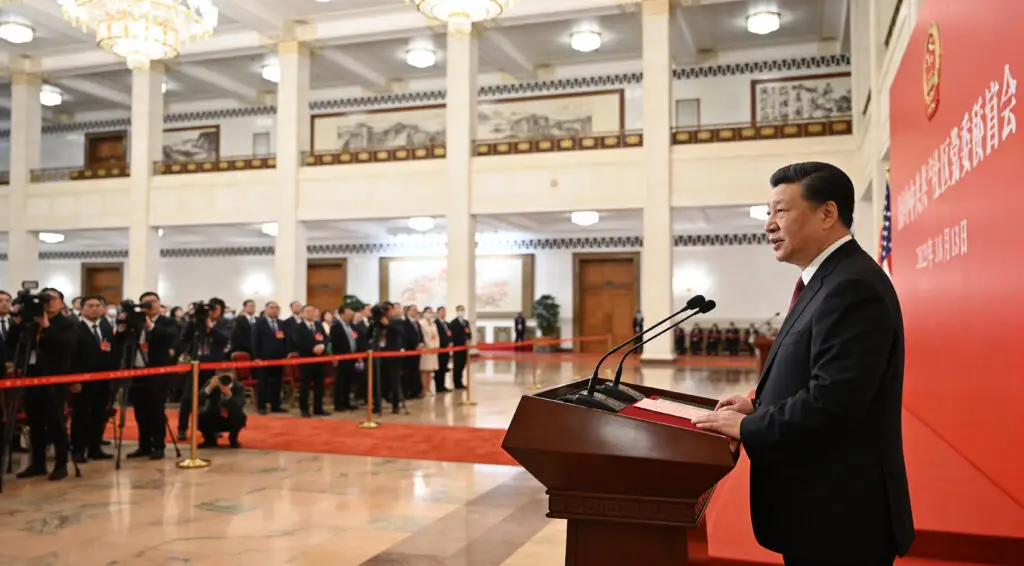
Policy Article Shows China’s Economic Direction in the Near Future
China is going to publish an article that focuses on policy and lists the country’s most important economic goals. Analysts around the world will pay attention. The document should help leaders figure out what to focus on as they deal with problems with growth and changes to the structure. Investors often look at these kinds of publications for signs that could affect their plans for the economy, their business, and the stability of the economy as a whole.
The article will be published in the 4th issue of Qiushi Journal, which is a major publication that is closely linked to the Communist Party’s policy messaging. In the past, essays published on this platform have shed light on the ideological frameworks that shape how economic decisions are made. Because of this, observers see the release as a sign that the focus of governance may change.
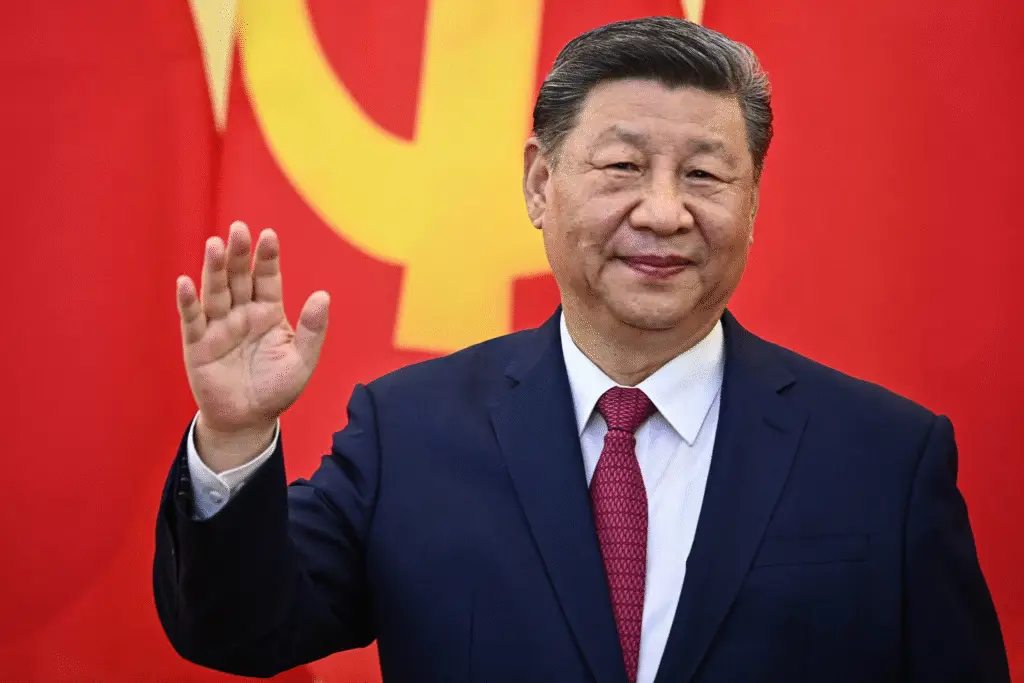
Source: Journal of Democracy/Website
Leadership Messaging Influences Market Expectations
Statements from top leaders often affect how investors feel by setting long-term goals and making sure that policies stay the same through all economic cycles. When guidance suggests changes in stimulus, regulatory posture, or long-term development priorities, markets usually react quickly. Even small changes in wording can change what people expect when it comes to spending on infrastructure, supporting consumption, or investing in technology.
China is still a major driver of global growth, so messages from Beijing have effects that go beyond its own borders. Commodity markets, multinational companies, and developing economies all pay close attention to Chinese policy changes. Because of this interconnectedness, comments from leaders can spread through international financial systems in just a few hours.
Qiushi Journal’s Part in Spreading Party Strategy
Qiushi Journal is an official source for explaining Communist Party theory and turning the goals of the party’s leaders into stories that can be used in real life. Articles published there often connect ideas with action, which helps officials across the country understand strategic directives in the same way. Because of this, the magazine is very important for making sure that central and regional policies are carried out in the same way.
Economists say that Qiushi releases often come before or at the same time as bigger administrative efforts, giving context before formal actions are taken. This order helps institutions get ready to work together when policy changes happen. As a result, analysts think that the publication calendar itself is strategically important.
Recommended Article: Western Leaders Deepen China Ties Amid Global Uncertainty
Economic Priorities Mirror Objectives for Structural Transition
As China’s economy moves toward higher-value industries, the country’s leaders have stressed the need to balance growth with long-term stability. Policymakers want to boost domestic demand while also promoting innovation-driven growth in both the digital and manufacturing sectors. To reach these goals, there needs to be a careful balance between reform momentum and protections for financial stability.
Structural transformation also means dealing with demographic pressures, productivity limits, and changes in global trade patterns. So, governments need to make rules that support long-term growth without putting the whole system at risk. Strategic articles often stress the importance of modernization while also recognizing how hard it is to make this change.
Global Investors Look for Signs of Strategic Policy
International investors often see leadership essays as early signs of the direction of the economy as a whole, especially when global growth is uncertain. Clear policy direction can help keep capital flows stable by making it less unclear what the government or regulators want to do. On the other hand, unclear guidance can make things more volatile because markets try to guess what will happen next.
Portfolio managers usually look at language about consumption, the real estate market, and industrial policy to find possible opportunities. This kind of analysis helps make decisions about how to spread out investments across stocks, commodities, and currencies. Because of this, the next article is likely to be closely looked at by many financial institutions.
Domestic Stability Remains Central to Economic Planning
Keeping jobs and social stability stable is still one of China’s most important economic goals. Policymakers often base their plans for development on raising living standards while keeping the market running smoothly. Balanced growth gives households, businesses, and regional governments all the confidence they need.
Authorities also know that stable policy environments make people more likely to invest in businesses and start their own. When combined with targeted reforms, stability can be a catalyst for innovation. This balance between control and dynamism is often stressed in leadership communications.
Strategic Communication Reinforces Long-Term Vision
Publishing high-level economic advice shows how strategic communication works with policymaking in China’s system of government. By making priorities clear to the public, leaders help ministries, provinces, and state-owned businesses work together. When concrete steps are taken, shared understanding makes implementation more efficient.
In the end, the article shows that Beijing is committed to guiding economic growth through careful planning rather than making changes on the fly. People think the message will reaffirm long-term goals while also addressing the short-term problems facing the world’s 2nd-largest economy. As excitement grows, markets will keep a close eye on signs that will shape the next chapter in China’s growth story.