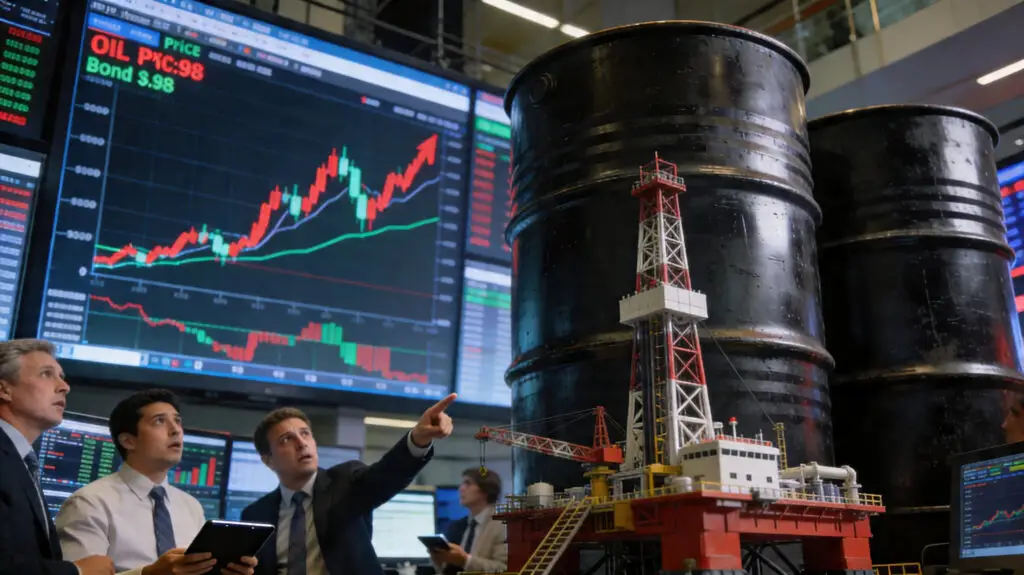



World Bank Upgrades Global Growth Outlook
The World Bank has raised its prediction for global economic growth in 2026 to 2.6 percent, up from 2.4 percent, which it made in June 2025. The upward revision is due to the fact that the United States is doing better than expected, which is still driving global demand and investment.
The report, which came out in Washington on Tuesday, also says that the world’s GDP will grow by 2.7 percent in 2027, which is a little more than what was thought before. Indermit Gill, the World Bank’s Chief Economist, says that growth will probably stay steady through 2027. This means that the world economy will slowly but steadily recover.
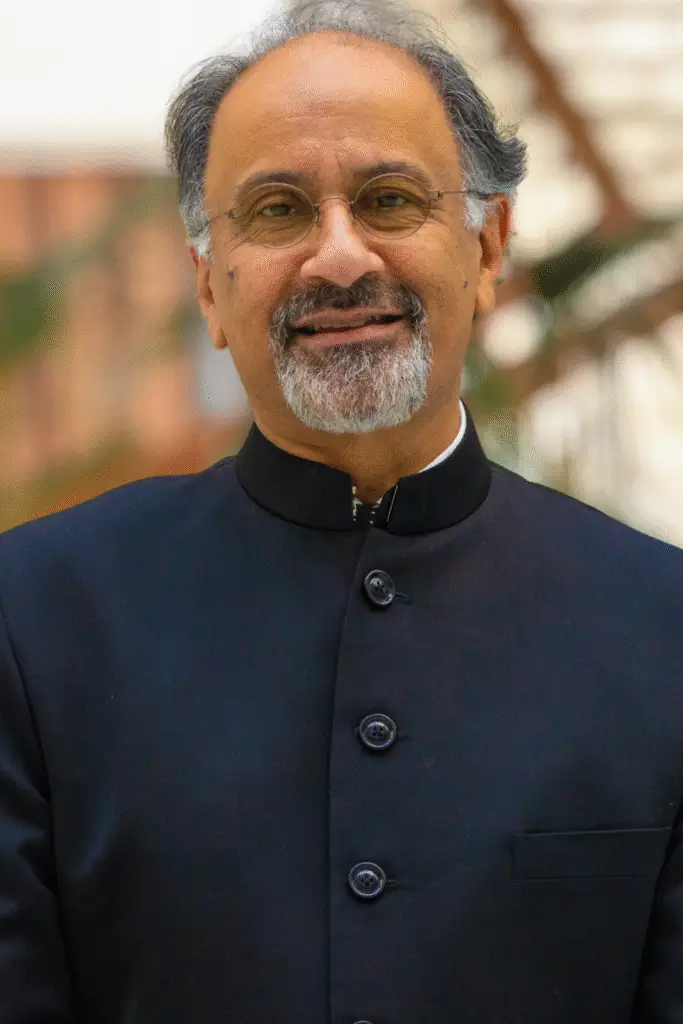
Source: World Bank/Indermit Gill
U.S. Economy Drives Global Resilience
The World Bank’s report shows that the U.S. economy’s steady growth is one of the main reasons why the global outlook has gotten better. Even though monetary policy has gotten stricter, U.S. growth has stayed strong because of strong consumer spending, business investment, and productivity gains.
This positive momentum has helped make up for slower recoveries in Europe and parts of Asia, giving the world a stable force in the face of changing demand. The report says that U.S. fiscal and industrial policy support has kept job growth and capital spending going until 2026.
Stability Amid Global Uncertainty
The World Bank says that even though interest rates are rising, the energy market is changing, and there are tensions between countries, growth will be fairly steady until 2027. Inflation pressures around the world have slowly eased, which gives some hope for growth in the medium term.
Chief Economist Gill stressed that even though the main numbers look good, many developing countries are still having trouble because of debt, weak trade flows, and limited access to capital. The report says that global growth could stay uneven if there is not more investment in infrastructure and productivity.
Recommended Article:
Japan’s Growth Forecast Unchanged
The report keeps Japan’s real GDP growth forecast at 0.8 percent for both 2026 and 2027. This is because the economy is slowly cooling down after an estimated 1.3 percent growth in 2025. Still, private investment and consumption at home are expected to stay moderately strong.
The Bank of Japan’s tighter monetary policy, which includes buying fewer bonds and slowly bringing rates back to normal, is expected to have a small effect on short-term momentum. But Japan’s economy should stay stable because of strong demand and rising corporate profits.
Advanced vs. Developing Economies A Growing Divide
The World Bank says that the gap in growth between advanced and developing economies is getting bigger. The U.S. and other developed countries have mostly led the recovery since the pandemic, while many emerging markets are still dealing with high levels of debt and slow investment.
The report says that productivity in developing countries is still lower than it was before the pandemic, which could put long-term convergence goals at risk. Fiscal limits, currency depreciation, and high borrowing costs make it even harder for them to spend money on things that will help them grow.
Consumption and Investment Remain Key Growth Pillars
Wage increases and lower inflation in advanced economies should keep global consumption patterns steady. Investment in clean energy, technology, and infrastructure keeps the economy growing in a sustainable way.
The World Bank does say, though, that progress is still uneven across regions. Investment recovery is still weak in low-income countries, which shows that policymakers need to focus again on structural reform, debt management, and developing human capital.
What to Expect in 2027 and What It Means for Policy
The World Bank’s 2.7 percent prediction for 2027 shows cautious hope for the future. Instead of short-term stimulus measures, policymakers should focus on making the supply side better, like increasing productivity and training workers.
The report says that global economic growth is getting more stable, but it is not safe yet. To close the gaps, countries need to work together. To make sure that both advanced and developing economies grow at a steady pace, they will need to keep investing, manage their money wisely, and come up with new ideas.