


Court Determines Trump Lacked Legal Basis To Impose Sweeping Tariff Measures
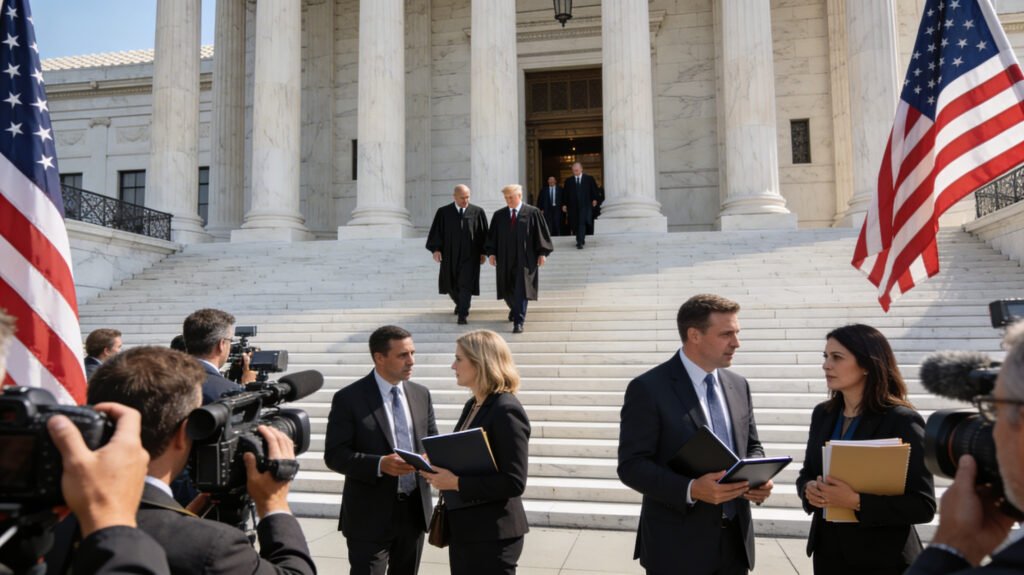
The US Supreme Court said that President Donald Trump went too far when he put tariffs on goods from other countries. The decision said that he abused his emergency powers under the 1977 IEEPA law. The justices said that only Congress has the constitutional power to set taxes and tariffs.
The ruling made it clear that emergency laws were never meant to allow big trade duties. The Court said that Congress must clearly give permission for the proper tariff authority. This decision made Trump’s reasons for broad tariff actions invalid.
Source: MarketWatch/Website
Court Determines Trump Lacked Legal Basis To Impose Sweeping Tariff Measures
A 6-3 majority said Trump’s tariffs were illegal and upheld what lower courts had said before. The decision, which was written by Chief Justice John Roberts, stressed the separation of powers in the Constitution. He said that the president can’t get around Congress when he wants to put high import taxes on a lot of goods.
3 liberal justices and 3 conservatives supported the majority opinion. Justices Brett Kavanaugh, Clarence Thomas, and Samuel Alito were among those who disagreed. They said that the law gave the president more freedom than most people thought.
IEEPA Statute Deemed Insufficient For Large-Scale Tariff Implementation
The Court said that the International Emergency Economic Powers Act cannot be used as a blanket tariff authority. The majority said that Congress has always used different laws to give these kinds of powers. They said that emergencies don’t get rid of the constitutional limits on making economic policy.
The ruling made it clear that if Congress wanted IEEPA to include tariff powers, it would say so directly. Previous tariff laws show what lawmakers really wanted to do. The Court said that Trump’s reading of emergency language went too far.
Recommended Article: Trump Warns GOP Rebels After Canada Tariff Vote
Businesses And States Had Challenged Tariffs Over Expansive Executive Interpretation
Several US states and small businesses took Trump to federal court over his tariff plan. They said that IEEPA had become a broad tool for making tariffs that went beyond what the Constitution allowed. This challenge brought to light the heavy financial burdens that many companies that rely on imports face.
Federal data showed that the Treasury made more than $133 billion from tariffs that were put in place as a result of an emergency. Economic forecasts said that the possible long-term costs could be close to $3 trillion. Many companies, like Costco, have already gone to court to get their money back.
Trump Condemns Decision And Vows Immediate Return Of Tariffs Under New Authority
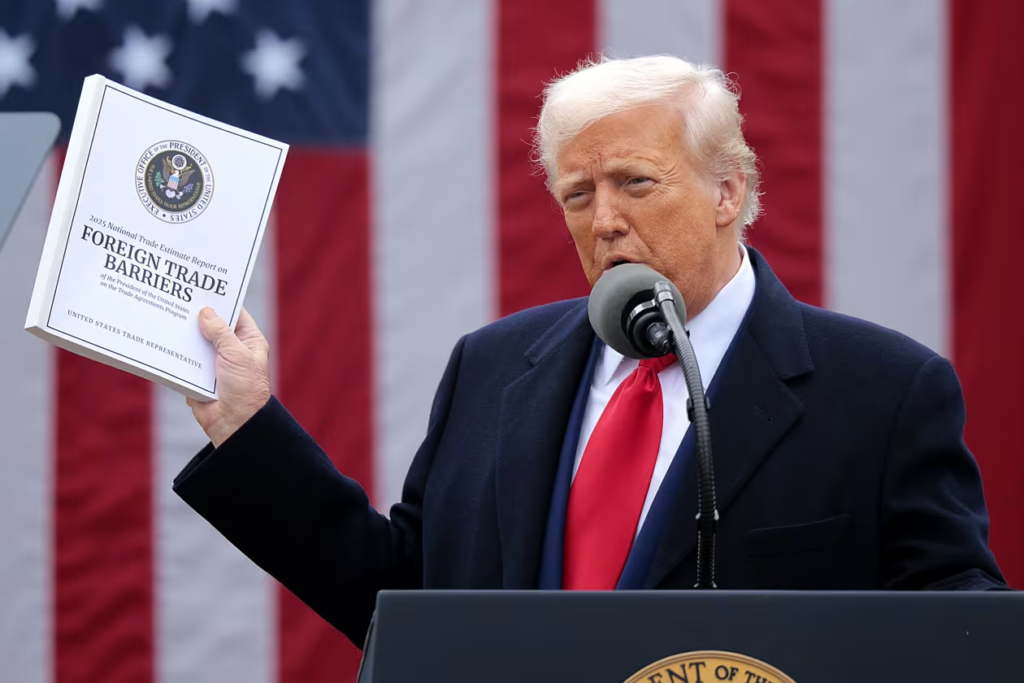
Trump strongly criticized the decision, calling it a setback for the country in comments to state governors. He said that he still has full power to impose duties under other laws. He said that what he did protects American businesses from countries that he says take advantage of US markets.
Trump said he waited forever for the ruling at a Georgia steel plant. He said that national security concerns make it okay to put tariffs on long-time trading partners. His response signaled continued commitment to aggressive economic measures.
Administration Plans New 10% Global Tariff Through Section 122 Authority
Trump said he would use Section 122 of the 1974 Trade Act to bring back tariffs. This clause allows for temporary duties when there are problems with the balance of payments. He said that an executive order would put a 10% tax on all goods right away.
The goal of the move is to get around the limits set by the IEEPA ruling. Trump said that the Court’s decision only applied to 1 specific legal path. His administration will look for new ways to set tariffs that are in line with existing laws.
Congressional Debate Expected As Power Balance Shifts After Court Ruling
The ruling reasserts congressional authority over national taxation and trade policy. Lawmakers can now talk about the presidential tariff powers that they talked about before. Some members say that more guardrails are needed to keep the president from acting on his or her own.
Some people think that having flexible authority is important during times of economic trouble or geopolitical crisis. The decision will probably have an effect on changes to laws that will last for a long time. Experts say that future tariff programs need to have a clear legal basis.