Trump’s Brave Change in U.S. Technology Policy
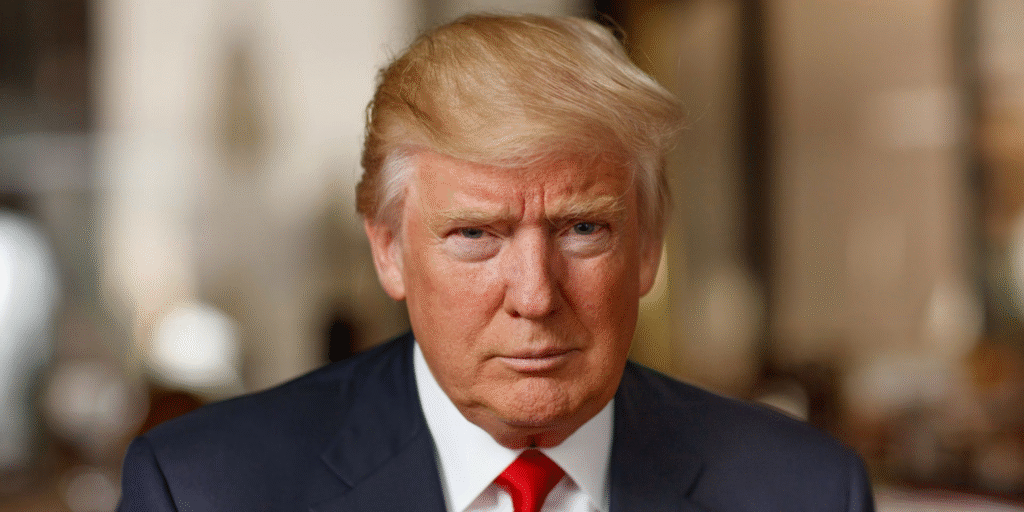
Donald Trump, the former president of the United States, took a big decision by letting Nvidia start selling AI chips to China again. The decision is a big change from earlier export limits that were meant to keep Beijing from getting access to breakthrough computing technologies.
This change in policy has sparked a new discussion about whether the US can find a balance between economic opportunity and national security dangers in a digital race that is changing quickly.
Nvidia’s Power and Strategic Importance
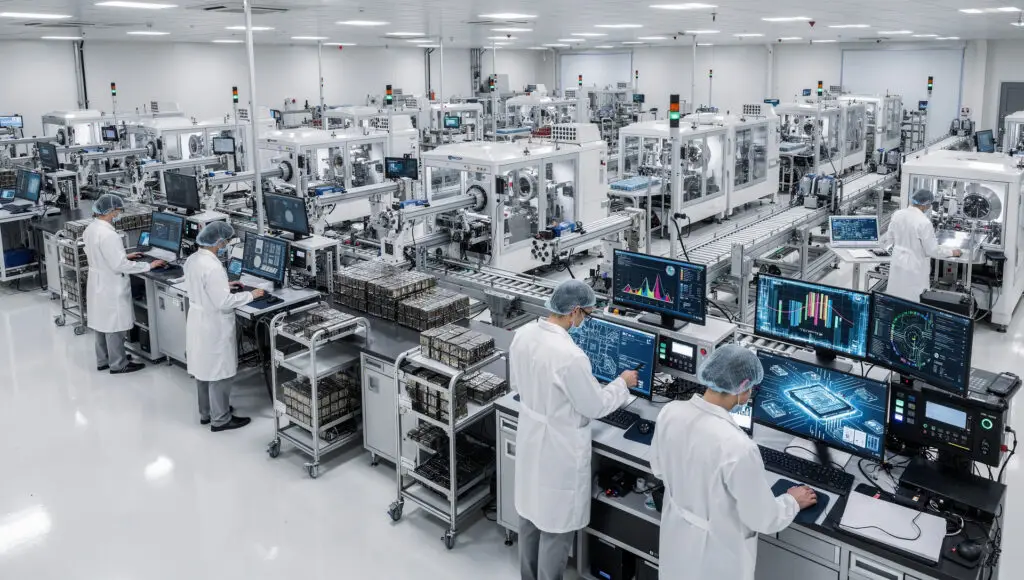
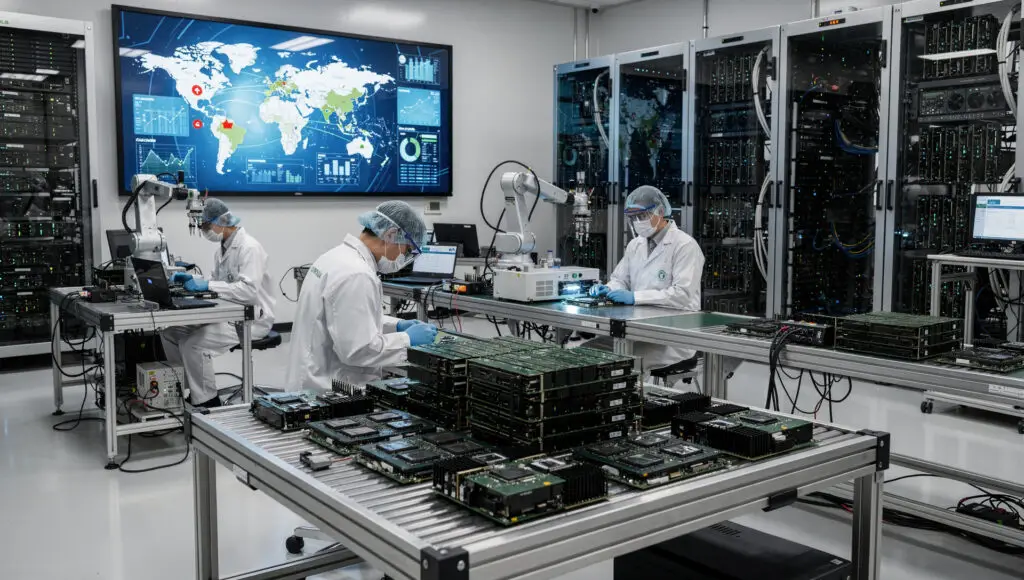
Analysts in the field say Nvidia is the backbone of the global AI industry since its high-performance processors enable everything from generative AI to self-driving cars. It makes a lot more money and has a lot more power in the market than competitors like Micron and TSMC.
Even vendors like ASML, which makes sophisticated lithography equipment, gain indirectly from Nvidia’s sustained leadership in making and improving semiconductors.
Economic Benefits vs. Security Threats
People who agree with Trump’s move say that limiting trade with China might create profitable possibilities for U.S. companies and make global supply chains more stable. They say that working together on economic issues may ease tensions and keep innovation going.
However, opponents say that relaxing limits might speed up China’s technical and military growth, allowing its AI systems to match or even exceed Western norms.
Recommended Article: Nvidia Earnings Ease AI Bubble Fears But Doubts Persist
The AI Industry at a Crossroads of Profitability
More and more people are asking questions about the long-term viability of the AI ecosystem as a whole, which includes Google, OpenAI, and big investors. Even if more and more people are using AI, there are still doubts about whether current investments will pay off in the same way.
Experts on Everybody’s Business said that excitement about AI might mean real advancement or an overvaluation of AI in global markets.
Nvidia’s Expanding Global Market Strategy
Trump’s decision is good for Nvidia’s finances right away. Access to the Chinese market might greatly boost sales in the data center and AI hardware markets.
Analysts think that the company’s revenue growth may speed up in 2026, which would strengthen its position as a leader and show how hard it is to compete in businesses that are sensitive to politics.
Strategic Gamble for U.S.-China Relations
The decision is also a well-thought-out diplomatic gambit that tries to find a balance between working together economically and keeping enemies at bay. The Trump administration has framed the move as a practical choice instead of a surrender.
The most important question is whether restricted involvement can encourage new ideas without hurting U.S. technology leadership or national interests.
The Uncertain Future of Global AI Competition
Trump’s choice over Nvidia shows how politics, profit, and technology may be very unstable in the age of AI. If it works, it might start a new age of trade-driven innovation. If it doesn’t, it could make geopolitical enemies stronger.
As both countries fight for control of AI, the outcome will affect the balance of power, economic development, and moral governance in the digital economy of the future.