Trump Gives Strong Warning to Republicans Who Don’t Agree
After Republican lawmakers opposed his trade agenda, former President Donald Trump warned them that there could be political consequences. He said that people should back primary challengers against members who joined Democrats to get rid of tariffs on Canadian imports. The comments show that tensions within the party are growing.
Trump said that the tariffs were necessary to protect national security and keep the US’s economic power in global markets. His public statements stressed loyalty and discouraged party members from disagreeing with him. The power of leadership is still important.
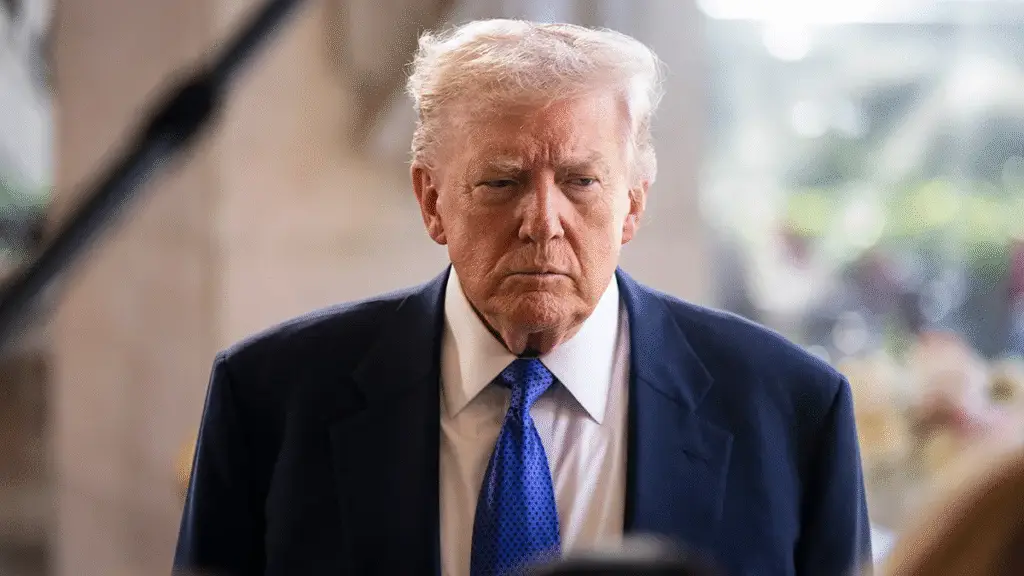
Source: Fox News/Website
Republicans Split in a Vote with Democrats
During the important vote, a number of Republican representatives, such as Thomas Massie, Don Bacon, and Kevin Kiley, voted with the Democrats. Their help made it possible for both parties to work together to undo one of Trump’s most important trade policies. People were surprised by the result.
By working together across party lines, these lawmakers showed that they were becoming more and more unhappy with aggressive tariff policies that hurt American businesses and consumers. In places where people are very different from each other, this kind of cooperation is still pretty rare. The choice has political risks.
Social Media Response Amplifies Political Tensions
Trump quickly spoke out against the vote on social media, saying that tariffs are a strategic advantage that protects American prosperity. He said that no Republican should be in charge of making the country’s trade defenses weaker. The message was very clear.
Political analysts think that the response is an attempt to regain control over the party’s direction before future legislative fights. Congressional behavior is often shaped by what the public wants. Being visible is important.
Recommended Article: Trump Threatens Canada With 100% Tariffs Over China Deal Row
Tariffs Based on a Declaration of National Emergency
In early 2025, the tariffs in question were put in place because of a national emergency that was meant to protect Canadian imports. Average tariff rates went up to about 3.9% from levels that were not very high before. Changes in policy escalation changed the way trade works between two countries.
Supporters said the measures gave negotiators more power, while critics said they messed up the supply chains that connect neighboring economies. Trade policy often has unintended effects that spread. It is still complicated.
Critics Cite Consumer Costs and Trade Strain
Opponents say that the tariffs made things more expensive for American consumers by raising the cost of importing goods that are used a lot. Companies that rely on trade across borders also said they were unsure about how to run their businesses. There was clear economic friction.
Canada, which has long been seen as one of the United States’ closest trading partners, was on edge as talks became more difficult. Stable alliances often depend on policies that are easy to guess. Trust can go away very quickly.
Congress Says More Trade Problems Are Coming
Democratic leaders have said they want to hold more votes to raise tariffs on Canada and maybe other countries as well. More legislative efforts could change the overall framework for U.S. trade. It looks like things are getting going.
Even if repeal measures pass both houses, the president could still veto them, keeping the executive branch in charge of the final results. The process will be shaped by institutional checks and balances. There is still a lot of uncertainty.
GOP Divisions Reflect Broader Policy Debate
The episode shows that there is a growing disagreement within the Republican Party about tariffs, executive power, and economic policy. Some lawmakers want to protect their own industries, while others want to make trade more open. The lines between ideologies are changing.
Trump’s threats show that he still has a lot of power in party politics, even though some members disagree with him. The future direction of policy may depend on whether dissent grows or stays the same. Party unity is being put to the test.