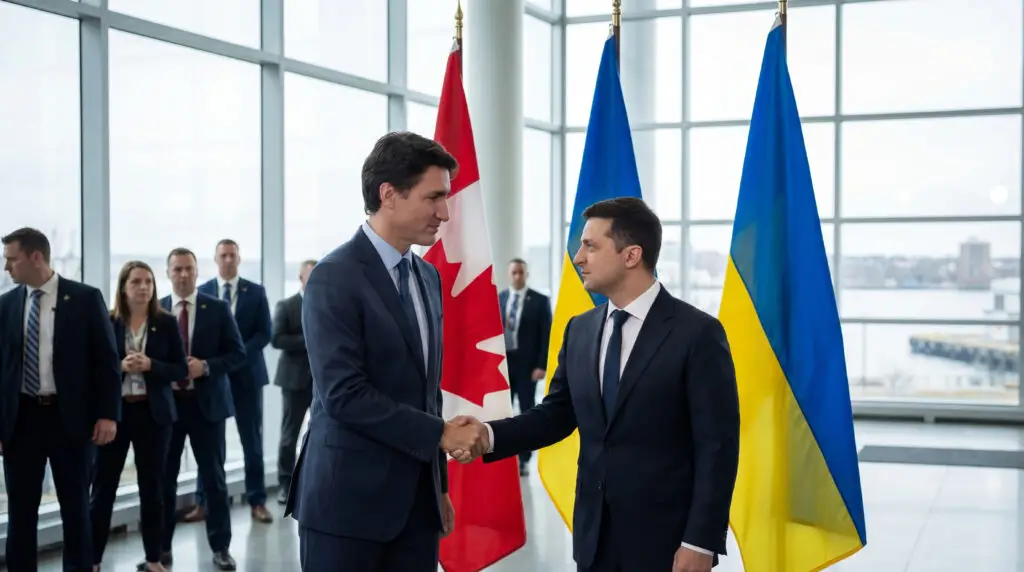



A Real-World Analysis of Trump’s Second Term Policy Shift
Written by a political systems analyst specializing in U.S. governance, executive power, and institutional change, this analysis examines the scope and implications of policy developments during the second term of Donald Trump.
One year into his second term, policy changes reflect not only adjustments in direction but also broader shifts in how executive authority is exercised.
In our analysis of executive governance trends, this period represents a significant phase of policy acceleration and institutional restructuring within modern U.S. politics.
What Has Trump Actually Changed So Far?
The administration has pursued changes across multiple policy areas simultaneously, increasing both the pace and scope of implementation.
When evaluating the breadth of actions, we observed that immigration, trade, federal governance, and foreign policy have all experienced structural adjustments rather than incremental revisions.
Key areas of change include:
- Immigration enforcement and regulatory restrictions
- Expansion of tariff-based trade policies
- Reorganization of federal agencies and workforce
- Increased reliance on executive actions and directives
This multi-front approach has amplified both policy reach and systemic impact.
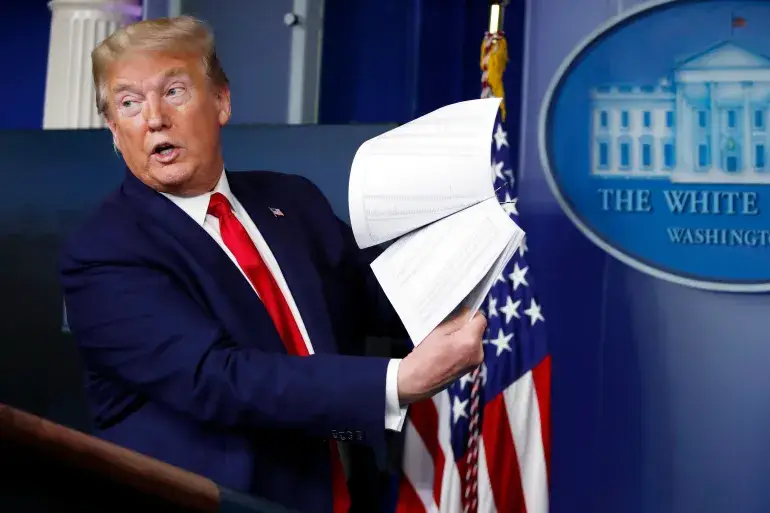
How Has Immigration Policy Shifted?
Immigration policy has become more restrictive compared to prior periods.
In our analysis, changes affect both unauthorized migration and aspects of legal immigration pathways.
Key developments include:
- Lower reported border crossings compared to previous peaks
- Expanded deportation enforcement, though varying from stated targets
- Stricter limitations on asylum eligibility
These measures have reduced inflows while also generating ongoing legal and humanitarian debates.
What Is Happening to the Federal Workforce?
The administration has implemented changes affecting the structure and size of federal institutions.
In practice, this includes agency restructuring and personnel adjustments across multiple departments, including the Federal Bureau of Investigation.
Key actions include:
- Workforce reductions through layoffs and voluntary buyouts
- Replacement or removal of senior officials in key agencies
- Adjustments to funding and program scope in areas such as health and education
These changes may increase efficiency in some areas while reducing capacity in others.
US Policy Shift Impact Across Key Sectors
| Policy Area | Key Change | System Impact |
|---|---|---|
| Immigration | Stricter controls | Reduced inflows |
| Trade | Higher tariffs | Global market adjustments |
| Government | Workforce changes | Institutional capacity shifts |
| Executive Power | Expanded authority | Centralized decision-making |
How Have Trade Policies Reshaped Global Markets?
Trade policy has been a central component of the administration’s economic strategy.
Tariff measures have affected multiple global partners, including China, Canada, and Mexico.
Key measures include:
- Implementation of tariffs across major trading relationships
- Increase in effective tariff rates relative to historical norms
- Ongoing adjustments contributing to market uncertainty
In our evaluation, these policies have influenced supply chains, pricing, and global trade flows.
Why Is Affordability Still a Major Issue?
Despite policy interventions, cost pressures remain elevated across key consumer categories.
In our analysis, a combination of inflationary forces, tariffs, and structural cost drivers continues to affect household expenses.
Observed trends include:
- Persistently high grocery and housing costs
- Limited short-term relief from policy measures
- Continued pressure on middle-income households
This suggests that affordability challenges are influenced by multiple overlapping factors.
How Has Foreign Policy Evolved?
Foreign policy during this period reflects a more flexible and, at times, unilateral approach to international engagement.
Key developments include:
- Participation in ceasefire discussions in regions such as Gaza
- Adjustments in support levels for Ukraine
- Shifts in relationships with traditional allies
These changes have contributed to evolving geopolitical dynamics and alliance structures.
Why Executive Power Expansion Matters
A defining feature of this term is the expanded use of executive authority.
In our evaluation, the administration has utilized executive mechanisms more extensively across multiple policy domains.
Key patterns include:
- Increased use of executive orders and emergency powers
- Greater direct influence over federal agencies
- Ongoing debates regarding checks and balances within governance
These developments raise long-term questions about institutional norms and constitutional boundaries.
What Are the Broader Implications for Global Stability?
Changes in U.S. policy have measurable effects beyond domestic borders.
In our analysis, shifts in trade, foreign policy, and governance frameworks influence global markets and geopolitical stability.
Key considerations include:
- Potential fragmentation of global trade systems
- Reduced predictability in international relations
- Increased volatility across financial and commodity markets
These factors are closely monitored by governments, institutions, and investors worldwide.
Structural Change With Long-Term Consequences
The second term reflects a period of structural change rather than isolated policy adjustments.
From a political and economic perspective, the administration is influencing how institutions operate as well as what policies they implement.
The key takeaway is clear:
The long-term impact will depend on whether these structural changes become embedded within the U.S. system or evolve under future administrations.
This analysis is provided for informational purposes only and does not constitute political or investment advice.