


Second Term Marks a Big Change in Political Continuity
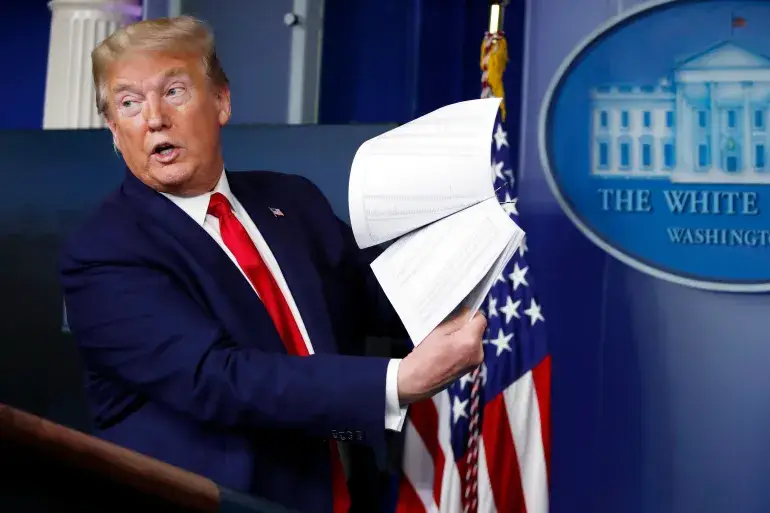
Donald Trump promised to completely change how the government works in all areas, including institutions, policies, and democratic norms, when he started his second term. One year later, his government has pushed for big changes in the structure of things instead of small political changes.
Trump used emergency powers without a real crisis, unlike previous presidents who used them in response to national emergencies. This way of governing has made people more divided and raised questions about the long-term health of democracy.
Immigration Policy Tightened Beyond Illegal Crossings
Trump made immigration enforcement stricter by using executive power to limit both illegal and legal immigration. Asylum access was effectively blocked across the country, causing border crossings to drop to record lows.
Deportation campaigns grew, but they didn’t reach their stated goals of removing large numbers of people. Critics point out that many people who were deported didn’t have criminal records, even though the government said they did.
Federal Workforce Reshaped Through Aggressive Downsizing
Trump kept his promise to get rid of what he called the “deep state” by firing high-level civil servants. Changes in the leadership of the Justice Department and the FBI pushed the agencies to focus more on enforcing immigration laws.
The administration tore down agencies that Congress had set up without getting permission from Congress, even though they were part of efforts to make the government more efficient. These actions made it harder for the government to serve the public while giving the president more power.
Recommended Article:
Tariff Strategy Disrupted Global Trade Stability
To fix the problems in global trade, Trump put big tariffs on major trading partners. The policy made things less certain, raised prices, and pushed effective tariff rates to all-time highs.
Even though there were promises to bring manufacturing back to the US, jobs continued to be lost in the industrial sector. Legal problems now put the long-term viability of tariff authority at risk.
Affordability Promises Clash With Persistent Inflation
Trump promised quick price relief for American families, but prices stayed high. Gas prices went down a little, but grocery and housing costs kept going up across the country.
Tariffs made important imports more expensive, which slowly passed on to consumers. People are more unhappy with how the economy is being run now.
Drug Enforcement Expanded Into Military Action
By calling drug cartels terrorist groups, Trump turned drug trafficking into an armed conflict. For the first time, military strikes hit suspected smugglers in international waters.
Most legal experts disagreed with the reasons given for extrajudicial killings. Some people say that the strategy doesn’t match up with fentanyl’s real supply chain.
Foreign Policy: Mixed Diplomacy With Escalation
Trump helped make a ceasefire in Gaza, but he didn’t keep his promise to end the war in Ukraine. When people talk about bigger peace achievements, they often exaggerate what happened or ignore the violence that is still going on.
Military actions against Iran and Venezuela went against campaign promises to avoid new wars. These actions made both allies and supporters uneasy.
Redefined Legal Boundaries for Domestic Troop Deployments
Trump sent federal troops to the US to enforce immigration laws and put down protests. New legal strategies made it possible for the military to make arrests along the border.
Later court decisions limited long deployments, but they set a precedent. It was a historic change for troops to be normal in city streets.
The Justice Department Was Used for Politics
Trump openly told loyalist leaders to go after people he thought were political enemies. Long-standing rules that kept law enforcement and politics separate were thrown out.
Several indictments fell apart because the rules weren’t followed, but the effects of intimidation stayed. Loyal appointees are still looking into people who criticize Trump.
DEI Programs Targeted Across Public and Private Sectors
Trump got rid of programs that promoted diversity in schools, the military, and government. Removing race-related programming was a condition for getting federal money.
The government took away civil rights protections and brought back Confederate symbols. Critics say these actions go against decades of laws against discrimination.
Emergency Authority Centralizes Presidential Power
Trump systematically increased executive power over spending, enforcement, and agency control. People often questioned Congress’s power over budgets and independent agencies.
Legal fights could change the constitutional limits on presidential power for good. The long-term balance of American government is now very uncertain.