


Operation Epic Fury Starts A Debate About U.S. Strategy
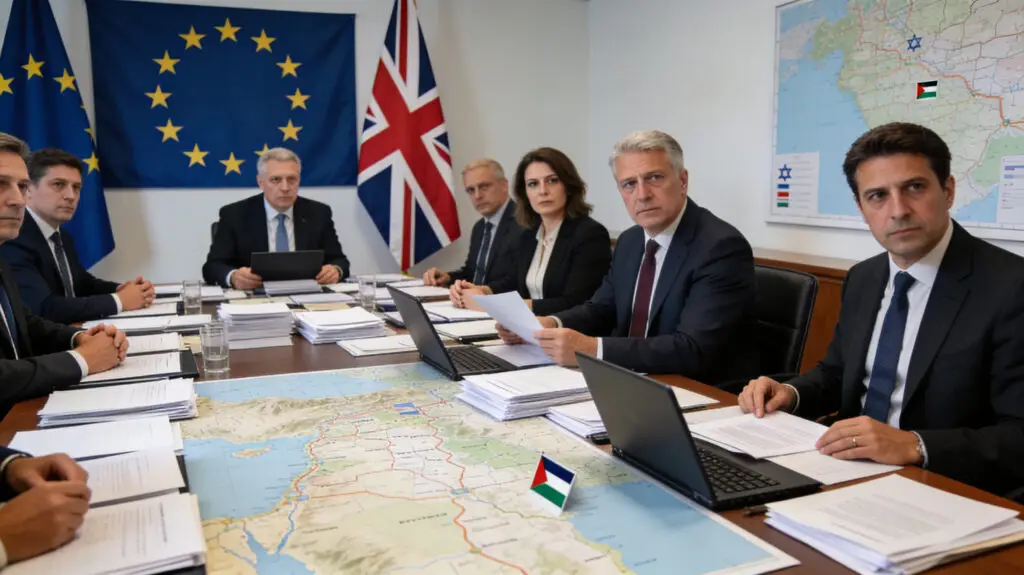
Operation Epic Fury, which included a series of airstrikes on Iran, was started by President Donald Trump. The operation did a lot of damage, but it didn’t bring down the Iranian government. Some analysts say that the campaign didn’t have clear strategic goals.
Trump later said that the mission was mostly done, even though there were still problems in the area. Some people say that the changing story shows that there is doubt about long-term goals. There are still questions about whether the real goal was regime change.
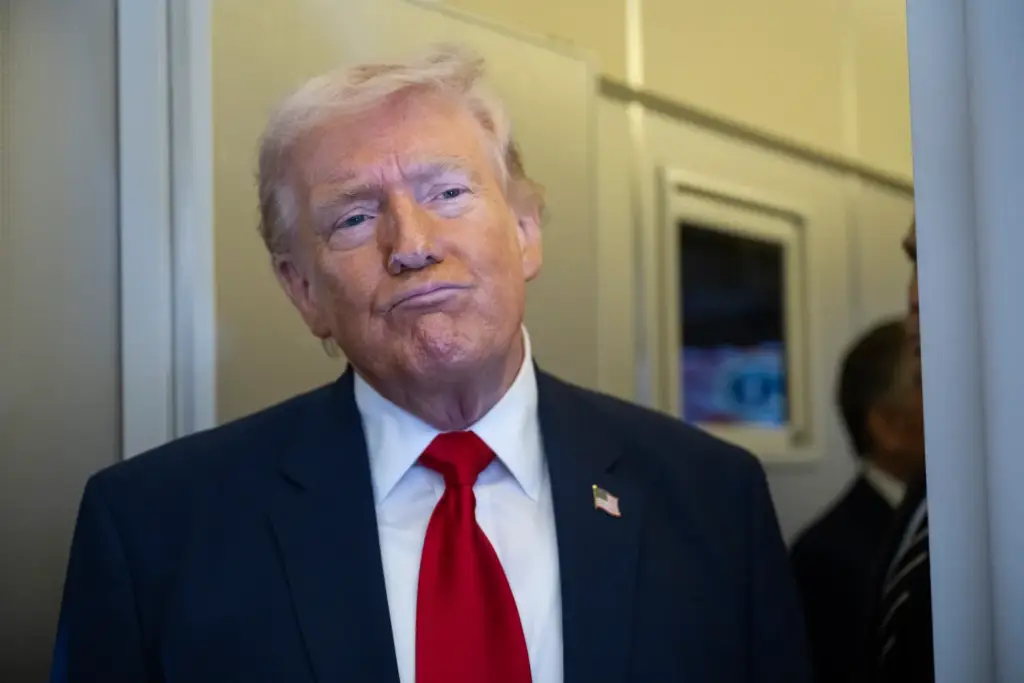
Source: Fortune
Iran Conflict Raises Concerns About Military Strategy
The military attacks hit a number of Iranian facilities and reportedly made threats against high-ranking leaders. Even though there were attacks, Iran’s political structure stayed the same. This outcome made it harder to expect the regime to fall apart quickly.
People who watch Iran say that its government is very ideologically and institutionally strong. The country also still has power over networks that deal with security in the region. These things make it hard for outside military pressure to bring about quick political change.
Economic Effects Start To Have An Impact On Global Markets
The conflict has had immediate effects on the economies of markets and supply chains all over the world. Investors reacted to instability in the Middle East by driving up oil prices. Volatility in the energy market quickly spread to other financial markets.
Stock markets went down, and shipping problems threatened global trade routes. The rise in energy prices also made people more worried about inflation. Economists say these pressures could slow down the economy.
Recommended Article: Uber Launches Women Only Ride Option Across United States
Strait Of Hormuz Tensions Threaten Energy Supplies
Iran has threatened to block ships from passing through the Strait of Hormuz during the war. A lot of oil shipments around the world pass through this waterway. So, any interruption poses serious threats to the global energy supply.
Energy traders keep a close eye on what happens near the strait. Oil prices around the world can be affected by even short-term problems. Rising fuel prices could make transportation and manufacturing costs go up around the world.
Critics Say Conflict Strengthens Russia Economically
Some experts say that the conflict helps Russia’s economy in an indirect way by raising energy prices. Moscow can make more money from exports when oil prices go up. These gains help ease some of the economic stress caused by international sanctions.
The war could also change how weapons and defense supplies are traded around the world. Western defense systems in the Middle East might take away resources that could be used in Ukraine. These changes could change how countries think about their own interests.
Debate Continues Over U.S. Foreign Policy Approach
Critics say that the military campaign is part of a larger policy of taking aggressive action on one’s own. They say that these kinds of policies hurt international alliances and the law around the world. Supporters, on the other hand, think that strong military responses stop threats.
The debate brings up long-standing disagreements about when to use force in international politics. Some people who make decisions say that diplomacy should still be the main way to settle disputes. Others put more stress on being ready for war.
War Makes Us Wonder About Long-Term Stability
The ongoing conflict makes people think about how stable the region and the world are as a whole. If the Middle East’s military situation gets worse, it could change alliances and trade ties. International observers are still keeping a close eye on what happens.
The future direction of the conflict may be decided by political leaders based on its economic effects. Governments all over the world are still worried about energy markets and security risks. So, the situation is still very hard to predict.