A Real-World Analysis of Political Drivers in North American Trade
Written by a trade policy analyst specializing in North American economic integration and cross-border supply chains, this analysis examines how political dynamics are increasingly shaping tariff decisions between the United States and Canada.
The latest tariff increase is not rooted in structural trade imbalances—it reflects how quickly policy can shift when political signaling overrides traditional negotiation frameworks.
In our analysis of modern trade behavior, even deeply integrated economies are now vulnerable to rapid policy changes driven by short-term political triggers rather than long-term economic planning.
What the New Tariff Increase Signals
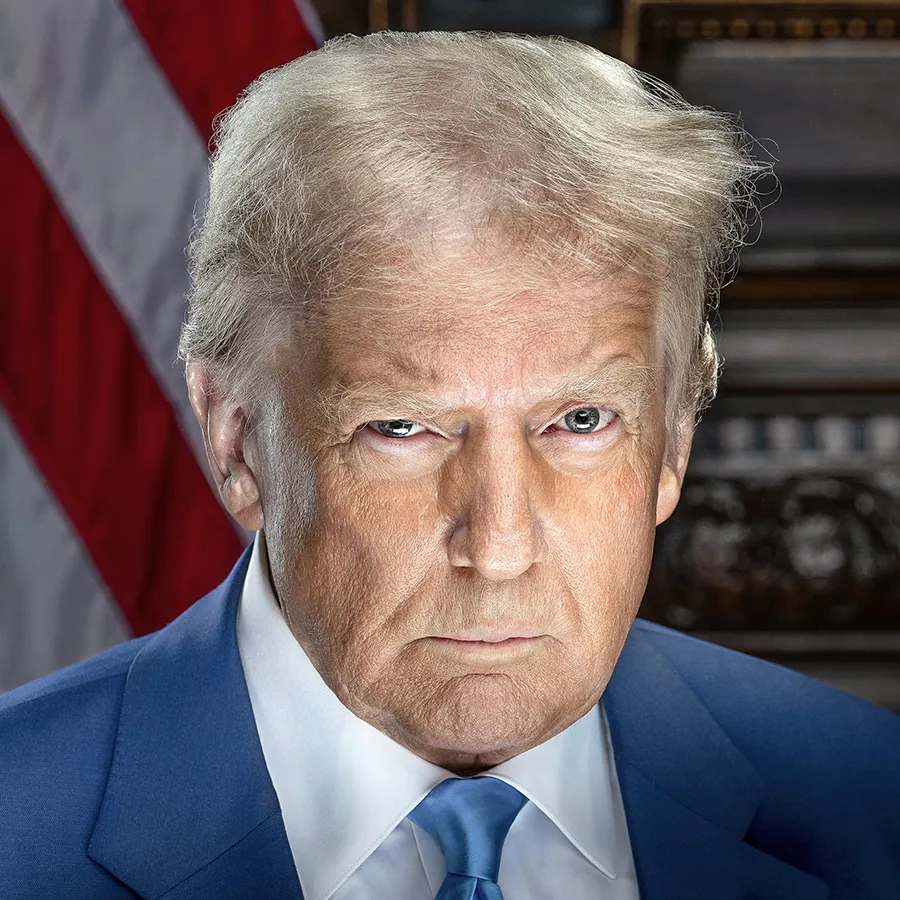
The administration under Donald Trump announced a 10% tariff hike on selected Canadian goods, marking a sudden escalation in bilateral trade measures.
Key elements of the move include:
- Immediate implementation without extended negotiation
- Public announcement through presidential communication channels
- Direct linkage to a non-economic trigger
From a policy standpoint, this represents a reactive adjustment rather than a coordinated trade strategy.
How a Political Advertisement Triggered Policy Action
The dispute originated from a campaign in Canada that criticized U.S. tariff policies.
Core developments include:
- An Ontario-backed advertisement referencing free trade principles
- Messaging tied to historical U.S. leadership under Ronald Reagan
- A direct response from the White House escalating trade measures
In our evaluation, this reflects a growing overlap between political messaging and economic enforcement, where media narratives can influence policy outcomes.
Why US-Canada Trade Is Especially Sensitive
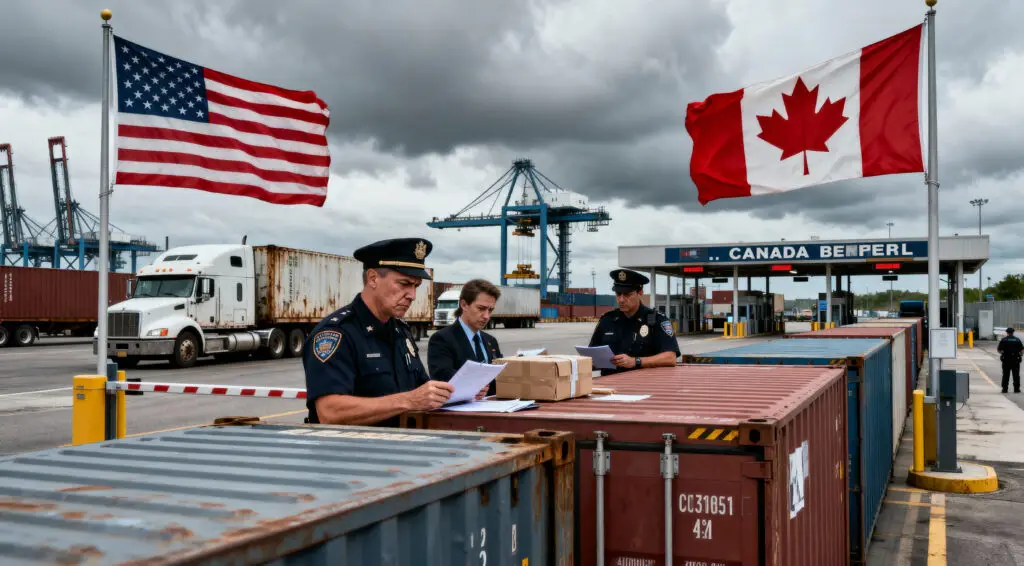
Trade between the United States and Canada is among the most integrated globally, with supply chains spanning manufacturing, energy, and agriculture.
Key structural features include:
- High volume of daily cross-border goods movement
- Deep integration in automotive and industrial sectors
- Shared dependence on efficient logistics and regulatory alignment
Because of this interdependence, even modest tariff changes can create disproportionate disruption across multiple industries.
How This Fits a Broader Pattern of Trade Policy
The tariff increase reflects a wider shift toward reactive and politically driven trade decisions.
Observed characteristics include:
- Escalation based on political or symbolic triggers
- Reduced emphasis on multilateral negotiation frameworks
- Increased unpredictability in policy direction
In our analysis, such an approach introduces volatility not only in bilateral relations but also across global trade networks.
What It Means for Businesses Operating Across Borders
Companies with exposure to cross-border trade must now adjust to a less predictable policy environment.
Immediate risks include:
- Rising costs for imported components and finished goods
- Compression of operating margins
- Need to reconfigure sourcing and logistics strategies
Small and mid-sized enterprises are particularly exposed, as they often lack the flexibility to absorb sudden cost increases.
Diplomatic Spillover Beyond Trade
Trade tensions rarely remain confined to economics.
Potential diplomatic consequences include:
- Strained negotiations on future trade agreements
- Reduced cooperation in security and environmental policy
- Increased political friction between national leadership
In our evaluation, economic disputes of this nature often influence broader bilateral relationships over time.
What the Near-Term Outlook Suggests
The trajectory of this dispute remains uncertain, with several possible paths forward.
Key variables to monitor include:
- Whether Canada introduces countermeasures
- The effectiveness of diplomatic engagement in de-escalation
- Potential expansion of tariffs into additional sectors
Continued escalation would likely deepen disruption across North American supply chains.
Trade Policy Becomes a Political Lever
The tariff increase under Donald Trump highlights a broader transformation in trade policy—where economic tools are increasingly used for political signaling.
From a structural perspective, this shift introduces a new layer of risk for businesses and policymakers, as predictability gives way to reactive decision-making.
The critical question moving forward is whether such measures remain isolated incidents—or evolve into a sustained pattern shaping the future of North American trade.
This analysis is provided for informational purposes only and does not constitute financial or investment advice.