


A Real-World Analysis of Trump’s Tariffs on UK SMEs
Written by a global trade and macroeconomic analyst specializing in cross-border supply chains and SME risk exposure, this analysis evaluates how proposed U.S. tariff policies could reshape cost structures for UK businesses.
A flat 10% tariff from the United States is not just a trade policy—it is a pricing shock that cascades across global supply chains.
In our analysis of cross-border trade flows and pricing transmission mechanisms, SMEs are often the first to absorb this volatility because they lack the buffers and hedging tools available to larger firms.
Source: Yahoo Finance UK/Website
What Is the Real Impact of Trump’s 10% Tariff Policy?
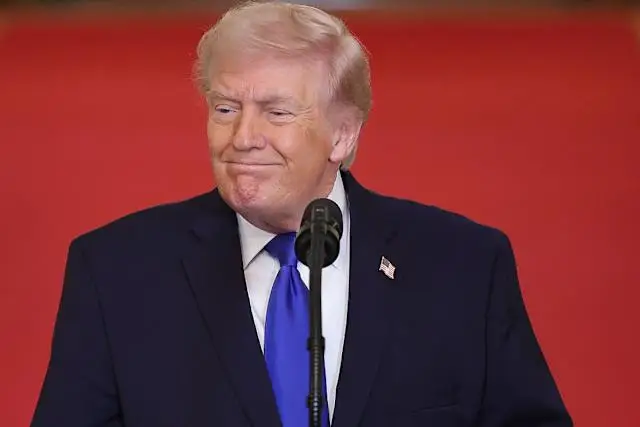
The proposed tariff framework under Donald Trump is designed as a broad-based measure rather than a targeted sector-specific intervention.
When evaluating this policy, we observed that blanket tariffs create uncertainty beyond direct exports by reshaping expectations across pricing, sourcing, and demand cycles.
Immediate business impacts include:
- Disrupted pricing strategies due to shifting cost baselines
- Uncertain demand forecasts across export-linked sectors
- Supplier renegotiations as global trade flows adjust
For SMEs, uncertainty itself becomes the primary cost driver rather than the tariff percentage alone.
Why Are UK SMEs More Vulnerable Than Larger Firms?
UK SMEs operate with tighter margins, lower liquidity buffers, and more limited financial flexibility compared to multinational corporations.
In our assessment, this makes them structurally more exposed to second-order effects rather than direct tariff exposure.
Key vulnerabilities include:
- Limited ability to pass rising costs onto customers
- Reduced access to hedging instruments for currency risk
- Smaller cash reserves to absorb prolonged volatility
This creates a scenario where even indirect exposure to tariffs can materially impact profitability and operational stability.
How Do Tariffs Ripple Through Supply Chains?
Tariffs rarely stop at national borders—they move through pricing layers across industries and regions.
When analyzing supply chain behavior, we observed that global suppliers often adjust pricing universally to offset restricted access to major markets like the United States.
Typical ripple effects include:
- Increased costs for imported raw materials and intermediate components
- Supplier price adjustments applied across multiple geographic markets
- Delays or restructuring in procurement and sourcing strategies
For UK SMEs, this means absorbing higher input costs even when they have no direct export exposure to U.S. markets.
SME Exposure to Tariff-Driven Risk Factors
| Impact Area | SME Exposure Level | Key Risk Driver |
|---|---|---|
| Input Costs | High | Supplier price adjustments |
| Demand Outlook | Medium | Global slowdown |
| Currency Risk | High | FX volatility |
| Cash Flow | High | Delayed payments |
Why Currency Volatility Is a Hidden Risk
Trade tensions often trigger fluctuations in exchange rates, amplifying cost pressures beyond the direct effect of tariffs.
In our evaluation, SMEs are particularly exposed because they frequently transact in foreign currencies without access to advanced hedging strategies.
Key implications include:
- Import costs increase when domestic currency weakens
- Contract pricing becomes harder to stabilize over time
- Margins erode rapidly with relatively small foreign exchange movements
Larger firms can hedge these risks—SMEs often cannot, making currency volatility a critical secondary threat.
How Important Is the US to UK Trade?
The United States remains the United Kingdom’s largest trading partner, making tariff policy highly consequential for export-linked sectors.
From a macroeconomic standpoint, disruptions in transatlantic trade flows feed directly into broader demand conditions and business sentiment.
Observed effects include:
- Reduced export orders across manufacturing and services sectors
- Slower payment cycles from international clients
- Delayed investment decisions due to policy uncertainty
SMEs typically experience these pressures earlier and more intensely than large corporations with diversified revenue streams.
What Does This Mean for Business Strategy in 2026?
In the near term, SMEs are likely to prioritize resilience over expansion in response to tariff-driven uncertainty.
In our analysis, businesses operating under volatile trade conditions tend to shift toward defensive strategies rather than growth-oriented initiatives.
Strategic responses include:
- Diversifying supplier networks to reduce geographic dependency
- Tightening cash flow management and liquidity planning
- Reviewing pricing strategies more frequently to reflect cost changes
While opportunities may emerge from market dislocations, survival and stability remain the primary focus in uncertain conditions.
Why This Reflects a Broader US Trade Policy Trend
The tariff proposal signals a broader shift toward more protectionist and less predictable U.S. trade policy.
From a regulatory and global markets perspective, this increases long-term planning complexity for businesses operating across borders.
Key implications include:
- Persistent trade policy volatility affecting global supply chains
- Greater need for operational flexibility in sourcing and logistics
- Increased importance of geopolitical risk monitoring and scenario planning
For SMEs, adapting to policy uncertainty becomes a core operational requirement rather than a strategic choice.
Final Assessment A Volatility Shock Not Just a Tariff
Trump’s tariff policy is less about the 10% duty itself and more about the uncertainty it introduces into global trade systems.
From a financial and compliance standpoint, SMEs are disproportionately affected because they operate with tighter margins, fewer risk management tools, and limited strategic flexibility.
The real challenge is not whether tariffs will increase costs, but whether SMEs can adapt quickly enough to absorb continuous shocks in pricing, demand, and currency conditions.
This analysis is provided for informational purposes only and does not constitute financial or business advice.