


Flat 10% Tariff Sends Shockwaves Through Smaller British Firms
Many small businesses in the UK are now unsure of what to do because Donald Trump has put a flat 10% tariff in place. Even companies that do not do business directly with the US are affected by events that happen in global supply chains. Small businesses that work with tight budgets are especially vulnerable to sudden changes in prices outside of their control.
The policy announcement changed expectations overnight by changing the way costs and demand are expected to change in many industries. Companies that rely on materials from other countries now have to deal with more uncertainty about how much they will have to pay in the future. These quick changes make it harder for entrepreneurs to plan ahead in already unstable trading environments.
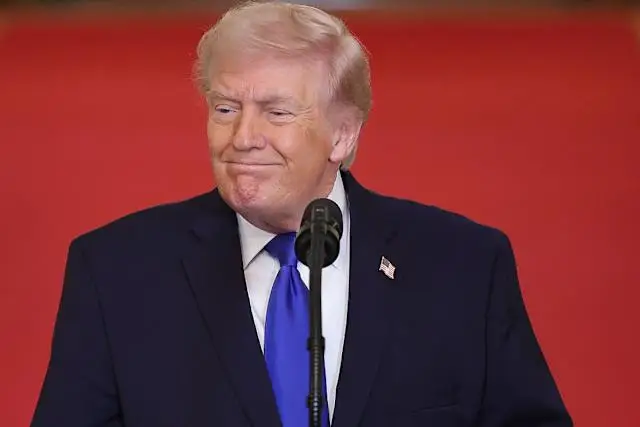
Source: Yahoo Finance UK/Website
Tariff Signals Ongoing Volatility Rather Than Temporary Disruption
After legal challenges to earlier duties, the tariff is being framed as a broad global measure. This framing makes it seem like trade policy instability could last longer than the announcement itself. Many experts say that uncertainty is more dangerous than the tariff rate itself.
This new volatility comes at a bad time for UK SMEs that are already losing confidence. Leaders in many fields say that it is much harder to plan for the long term when policies change quickly. Companies with limited reserves find it especially hard to deal with this kind of unpredictability.
Business Surveys Show Many SMEs Already Struggling Before Tariff Impact
Recent surveys from business groups and the Bank of England show that many industries are not doing well. Companies say that weak customer demand, tight margins, and cautious hiring plans are all affecting their strategic decisions. These pressures came up even before the global tariff made things even harder to run.
After a long period of trade problems and slow economic growth, many small businesses are still trying to get back on track. A new shock to global demand could make recovery harder, especially for sectors that depend on exports. Analysts say that small and medium-sized businesses SMEs often feel the effects of economic problems before larger and better-funded companies do.
Recommended Article: Trump Threatens Tariffs On Nations Trading With Iran Oil Gas
Secondary Effects Likely To Raise Input Costs For Many British Companies
Many small and medium-sized businesses SMEs will have to pay more, even if they do not sell to the US, because of supply chain effects. Global suppliers often change their prices to make up for the fact that they cannot get to big markets as easily. These changes in price eventually affect British businesses that rely on imported parts and raw materials.
This situation makes things harder for businesses when customers are becoming more sensitive to rising prices. Smaller businesses usually do not have much power over prices and cannot easily pass on extra costs. When inputs go up and buyers are careful, the financial risk goes up during times of uncertainty.
Currency Volatility Introduces Additional Layers Of Financial Uncertainty
Trade disputes often cause problems in international currency markets. Changes in exchange rates can make it even harder for small and medium-sized businesses to buy things or write contracts in foreign currencies. Most of the time, bigger companies hedge these risks, but smaller ones do not always have the same financial protection.
Even small changes in exchange rates can quickly eat away at profits for businesses with limited resources. So, small and medium-sized businesses need to plan more to deal with currency conditions that are hard to predict. These things make bigger worries about new global tariff policies even worse.
US Is UK’s Largest Trading Partner Making Ripple Effects Hard To Avoid
About 17.5% of all trade in the UK comes from the US. Any policy that slows down trade between the US and the UK could hurt demand in many British industries. SMEs are usually the first to feel these slowdowns when orders drop or projects are put on hold.
During times of global uncertainty, payment cycles tend to get longer and investments tend to be put off. These circumstances exacerbate financial strain on companies that do not possess significant liquidity reserves. If the economy cools down more, it could make things harder for businesses that rely on stable international trade.
SMEs Focus On Resilience While Policymakers Face Pressure To Provide Support
Changes in global trade always open up new possibilities, especially for businesses looking for new suppliers or new markets. But right now, most small and medium-sized businesses are focusing on being strong rather than on aggressive growth plans. A lot of people are looking over their supply chains, making backup plans, and keeping a closer eye on their cash flow.
When many small businesses are already dealing with rising costs and weak demand, broad tariffs make trading even more complicated. Policymakers need to provide clear support and easy-to-follow advice to help small businesses adjust well. To get through the next few years of major global uncertainty, the government will need to stay involved.