


A Landmark Step in the Philippines’ Ethical AI Governance Journey
The AI Readiness Assessment Methodology is a big step forward for responsible AI governance. It was created by UNESCO and the Philippine government. This project goes along with the creation of the Philippines’ National AI Strategy and other projects that help the country go digital.
The study is the result of a group effort to make sure that innovation is in line with moral values and that technology is used for inclusion, openness, and long-term growth across the country.
Nationwide Consultations Across Luzon, Visayas, and Mindanao
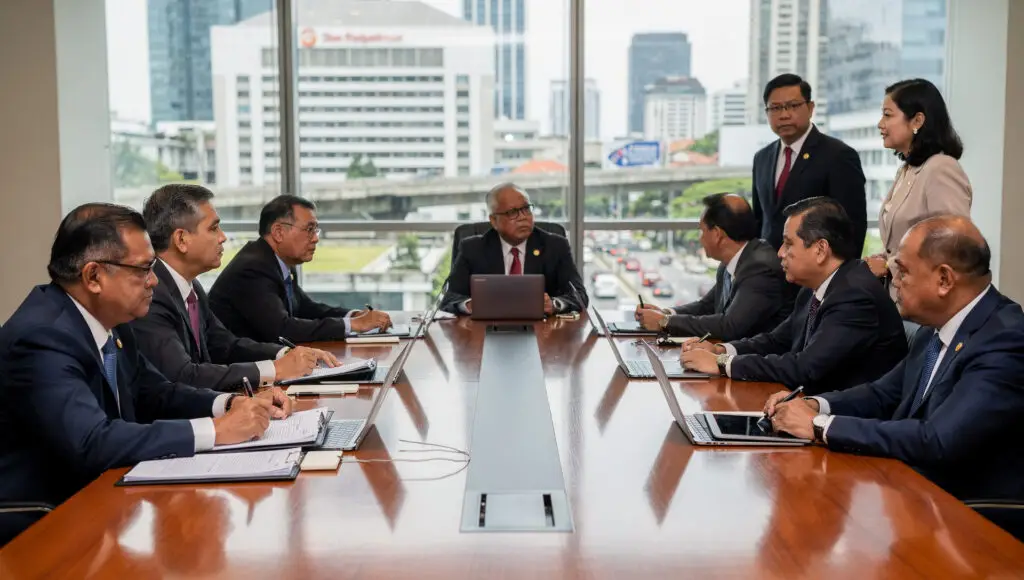
Starting in September 2024, policy seminars were held in Manila, Cebu, and Davao to see how ready AI was in five important areas. Experts looked at the nation’s AI ecosystem from a legal, social, cultural, economic, scientific, and technological point of view.
These meetings brought together people from the government, schools, and businesses to create a single national framework for ethical AI use and policymaking.
Embedding Ethics at the Heart of AI Development
Maki Katsuno-Hayashikawa, a delegate from UNESCO, stressed that ethics must be at the heart of AI governance to keep technology focused on people. She said that ethical AI helps nations find a balance between progress and fairness.
The collaborative method shows that the real benefit of technology is in treating everyone fairly, encouraging progress, and keeping responsibility and cultural integrity.
Recommended Article: China and Huawei Surpass US in AI Gains via Open Source
National Vision for Inclusive and Responsible Innovation
According to Renato Solidum Jr., the National AI Strategy will make sure that AI innovation is fair, accessible, and responsive. He said that the report was a plan for responsible national growth.
The Philippines wants to use AI as a tool for growth through this project. It wants to make industries stronger while making sure that everyone has equal access to new possibilities.
Opportunities and Challenges in AI Development
Arnaud Peral, the UN Resident Coordinator, said that the Philippines is at a very important stage in deciding what its AI future will be like. He said that inclusivity must always be at the heart of the national policy.
The research found problems like restricted broadband availability, unequal digital literacy, and a lack of confidence in the public. Filling up these gaps will be the key to making AI work in important parts of the economy.
Strengthening Regulatory Frameworks and Research Capacity
The paper says that there should be a separate lead body for AI governance to bring together all the current legal frameworks. To close regulatory loopholes, it is important to make cybersecurity, privacy, and cross-border data safeguards stronger.
The paper also calls for the creation of a National AI Research Fund under the DOST-PCIEERD to help with research, new ideas, and creating skills in both academia and business.
Economic Potential and Innovation Priorities for the Future
By 2030, the national AI market is expected to be worth billions, thanks to private companies that want to employ technology to boost productivity. To be competitive on a global scale, however, indigenous innovation capability needs to be strengthened.
By making smart investments in education, research and development, and digital infrastructure, the Philippines will be able to use AI in a responsible way while also giving local talent and institutions more influence.
A Roadmap for Collaboration and Ethical Leadership
The AI Readiness Report is both a guide and a call to action for everyone in society. It encourages politicians, scientists, and communities to keep talking to one another.
The Philippines can create a future where AI improves governance, promotes equality, and benefits all citizens by making ethics and inclusion part of its policies.