


A Real-World Analysis of Policy Shock in Local Manufacturing Economies
Written by a macroeconomic analyst specializing in regional industrial systems and U.S. trade policy, this analysis examines how federal economic decisions translate into localized disruption across manufacturing-dependent communities.
What appears as a coordinated national strategy is, at the ground level, producing uneven outcomes—reshaping investment timelines, labor expectations, and public sentiment in places like Erie, Pennsylvania.
In our analysis of regional economic transmission mechanisms, policy changes rarely impact all sectors equally—industrial hubs tend to absorb the sharpest shocks due to their reliance on capital-intensive projects and global supply chains.

Source: Plastic News
Why a Key Industrial Project Has Stalled
A planned large-scale facility intended to convert plastic waste into fuel has become a focal point for understanding the local impact of federal policy shifts.
The project, valued at approximately $300 million, was positioned to support regional steel production while introducing a new layer of industrial capability. Its delay now reflects not just logistical challenges, but a broader hesitation in capital deployment under uncertain policy conditions.
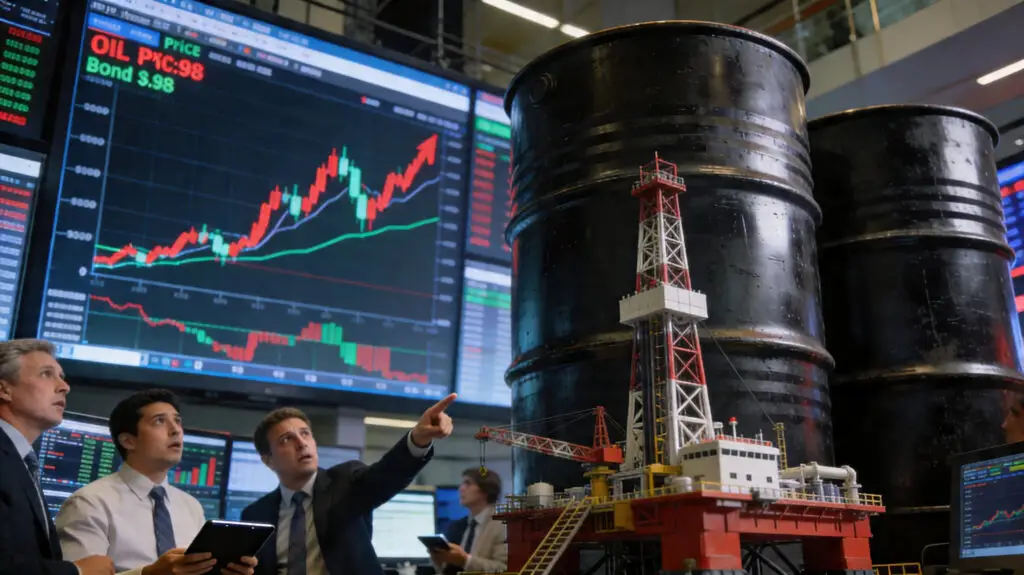
From an investment standpoint, projects of this scale depend heavily on predictable input costs and stable regulatory frameworks—both of which have been disrupted in the current environment.
Economic Expectations vs Emerging Reality
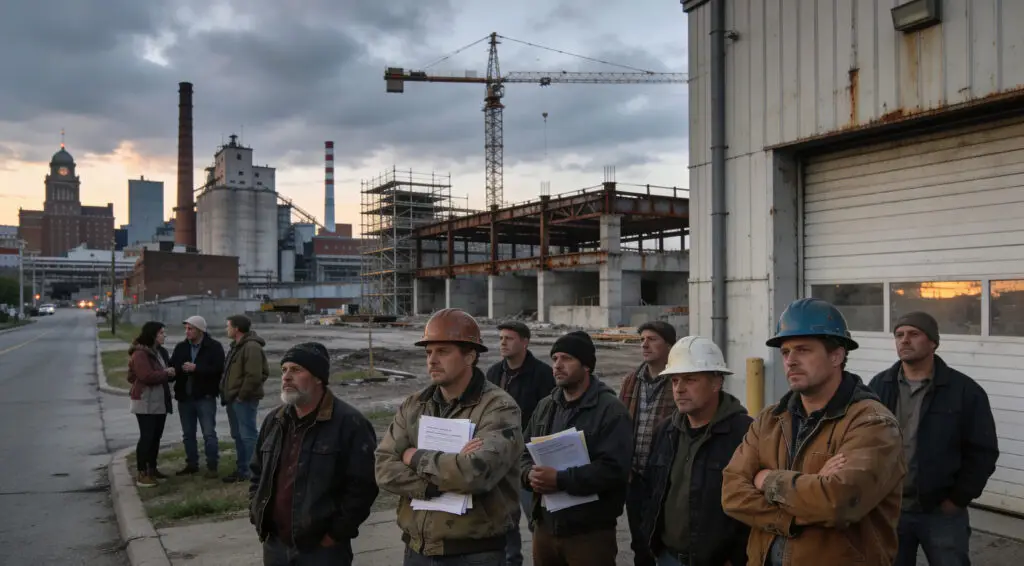
For many residents, the project represented more than infrastructure—it symbolized economic renewal in a region long defined by industrial decline.
Anticipated benefits included:
- Hundreds of short-term construction roles
- Sustainable long-term employment opportunities
- Revitalization of legacy manufacturing capacity
However, when expected job creation is delayed or reduced, the economic multiplier effect—typically critical in such regions—fails to materialize as projected.
Why the Community Is Increasingly Divided
Public opinion within the city has fragmented along economic and ideological lines, reflecting broader national debates around trade and industrial policy under Donald Trump.
Supporters argue that current policies are necessary to rebuild domestic capacity and reduce reliance on foreign inputs, even if short-term disruptions occur. Critics, however, point to immediate economic strain, citing stalled projects and lost income opportunities.
In our evaluation, such divisions often emerge when long-term policy objectives fail to align with short-term economic realities experienced by local communities.
How Tariffs and Spending Cuts Are Affecting Investment
Recent tariff adjustments and reductions in federal funding have altered the financial assumptions underpinning industrial development.
Key pressure points include:
- Rising costs for imported materials critical to manufacturing
- Delays linked to reduced or uncertain government support
- Increased caution among private investors
These factors collectively create an environment where previously viable projects are reassessed or postponed, amplifying uncertainty across the local economy.
Why Manufacturing Regions Are More Exposed
Cities like Erie face disproportionate impact due to their structural dependence on large-scale industrial activity.
Core vulnerabilities include:
- Heavy reliance on capital-intensive projects for job creation
- Integration into global supply chains sensitive to trade policy
- Limited diversification into service-based industries
In our analysis, these characteristics make manufacturing hubs more susceptible to abrupt policy shifts compared to more diversified urban economies.
Environmental and Labor Interests Add Complexity
Beyond economic considerations, the stalled project has exposed competing priorities within the community.
Key tensions involve:
- Environmental groups raising concerns over pollution and land use
- Labor unions advocating for job creation and industrial expansion
- Local stakeholders seeking balanced, sustainable development
These overlapping interests complicate decision-making, particularly when economic urgency conflicts with environmental and regulatory concerns.
Short-Term Disruption vs Long-Term Strategy
Proponents of the policy direction maintain that current disruptions are transitional and necessary for achieving broader economic goals.
Their arguments center on:
- Strengthening domestic manufacturing capacity
- Reducing dependency on international supply chains
- Positioning the U.S. for long-term industrial competitiveness
However, in the absence of immediate economic gains, communities directly affected by delays may struggle to sustain support for these strategies.
Uneven Impact Across Local Populations
The effects of economic disruption are not evenly distributed within the city.
More vulnerable groups face:
- Greater exposure to job losses or delayed employment opportunities
- Limited access to alternative income sources
- Higher dependence on new industrial projects for economic mobility
This uneven impact deepens existing socioeconomic divides, reinforcing disparities between different segments of the population.
What Comes Next for Erie’s Economy
Future outcomes will depend largely on policy clarity and investor confidence.
Key variables to monitor include:
- Stability and consistency of federal economic policies
- Willingness of private capital to re-engage in stalled projects
- Timeline for resolving regulatory and funding uncertainties
Without improved predictability, recovery efforts may remain fragmented and slow to materialize.
Local Economies Absorb National Policy Risk
The situation in Erie, Pennsylvania illustrates a broader economic principle: national strategies often generate uneven local consequences, particularly in regions dependent on industrial investment.
From a structural perspective, policies associated with Donald Trump may aim to strengthen long-term competitiveness, but their immediate effects can disrupt local economies, delay growth, and intensify social division.
The more critical question is not whether these policies succeed at the national level—but whether communities like Erie can withstand the transition period required to realize those intended gains.
This analysis is provided for informational purposes only and does not constitute financial or investment advice.