



Executive Order 108 Restructures Economic Oversight
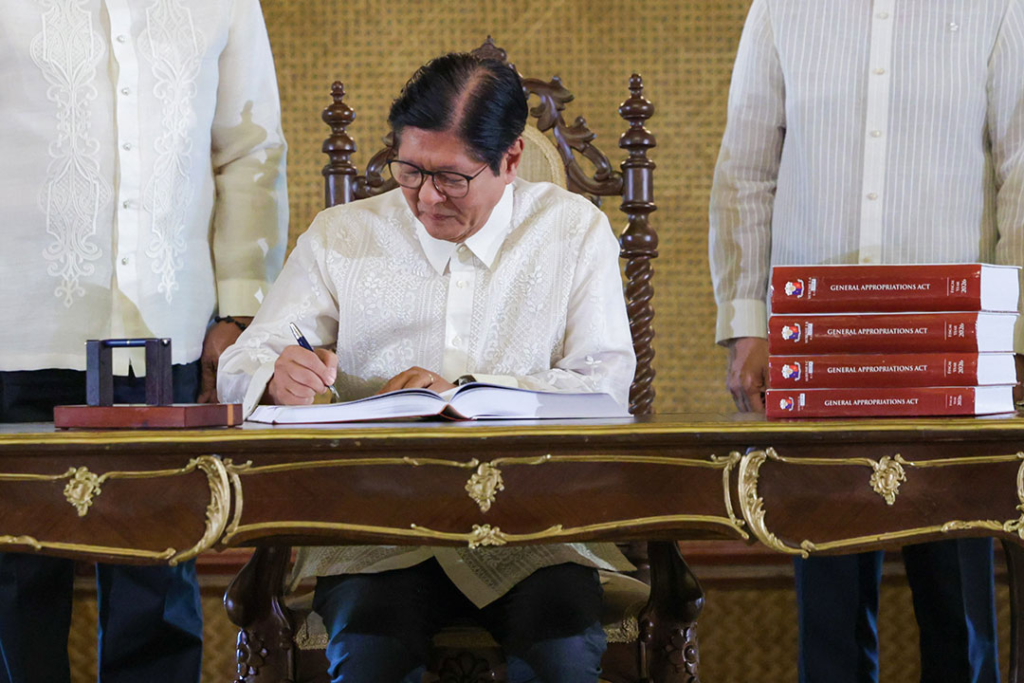
On January 26, President Ferdinand Marcos Jr. signed Executive Order 108. The order abolishes the Office of the Special Assistant for Investment and Economic Affairs. The move aims to streamline economic coordination at the executive level.
The government cited the need for unified monitoring systems. Officials emphasized reducing bureaucratic overlap within the Office of the President. Centralization is expected to improve policy execution.
Source: BusinessWorld/Website
Functions Integrated Into Executive Secretary Office
Under the directive, OSAPIEA’s functions transfer to the Office of the Executive Secretary. Authorities not already assigned elsewhere will be consolidated. The integration seeks to establish a single decision-making channel.
The order provides a comprehensive framework for addressing economic challenges. Streamlined oversight may enhance interagency coordination. Policymakers believe consolidation sharpens strategic clarity.
Background On OSAPIEA’s Creation
Executive Order 49 created the office in 2023. It operated directly under the Office of the President. Its mandate focused on coordinating investment and economic initiatives.
Frederick Go initially led the office before becoming Finance Secretary. OSAPIEA served as a central coordination hub for development agencies. The restructuring reflects shifting administrative priorities.
Recommended Article: Marcos Assures Public of Health Stability Amid Diverticulitis
Changes To Economic Development Committee Leadership
Executive Order 108 revises leadership of the Economic Development Committee. The Secretary of Finance now serves as chair. The Secretary of the Department of Economy Planning and Development becomes vice chair.
Previously, the Special Assistant held the chairmanship. The leadership shift aligns fiscal authority with economic oversight. Officials expect stronger coordination between planning and finance.
Semiconductor Advisory Council Leadership Shift
OSAPIEA previously chaired the Semiconductor and Electronics Industry Advisory Council. The council advises the President on strategic electronics policy. Administrative Order 31 formalized its advisory mandate in 2025.
The new directive assigns chairperson responsibilities to the Executive Secretary. This consolidates industry oversight within core executive management. Semiconductor policy remains critical for export growth.
Broader Streamlining Of Presidential Structures
The order forms part of a wider executive restructuring effort. Streamlining aims to accelerate implementation of national development programs. Administrative efficiency continues to guide governance reforms.
Economic volatility has heightened the need for coordinated action. Consolidation may reduce overlapping policy mandates. Central oversight could speed infrastructure and investment decisions.
Implications For National Economic Strategy
The restructuring may reshape economic governance frameworks. Centralized authority could enhance executive accountability. Investors closely monitor institutional clarity and policy coherence.
Marcos has prioritized job creation and sustained economic growth. Administrative realignment underscores a coordinated management approach. Long-term effectiveness will depend on implementation outcomes.