



Historic Supermajority Changes the Political Scene in Japan
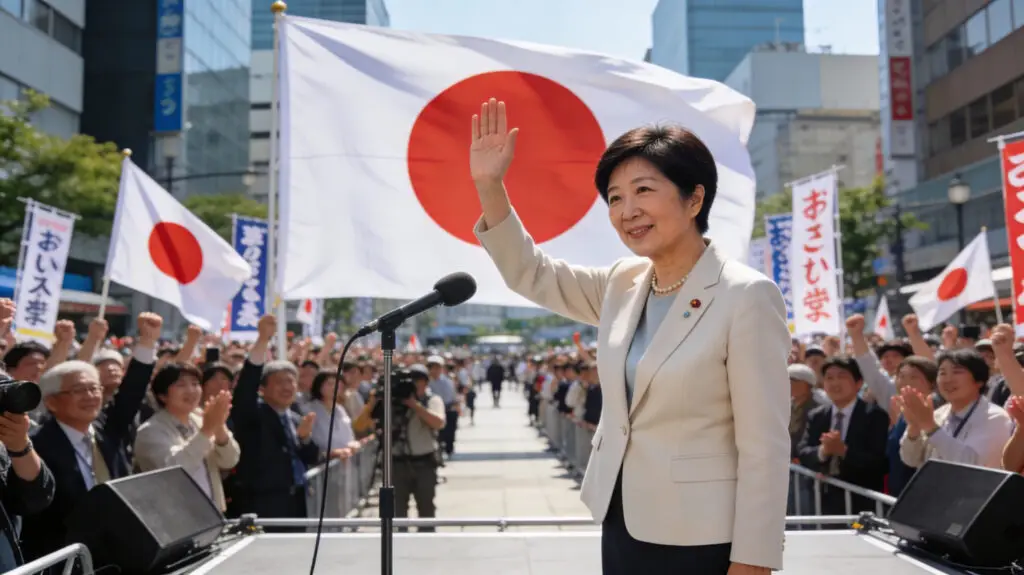
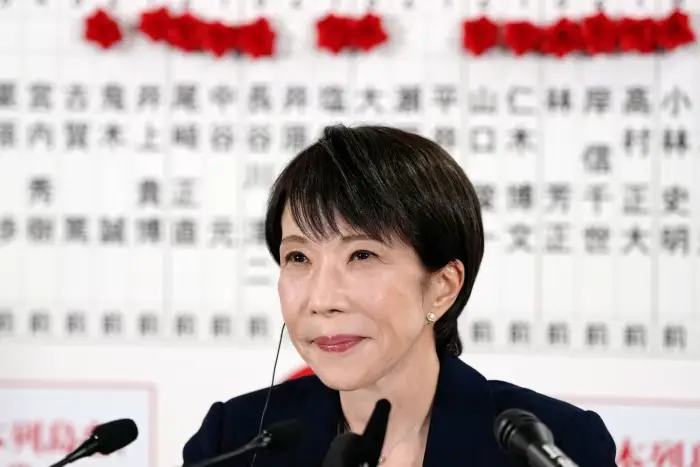
The Liberal Democratic Party of Japan won a historic landslide in the Lower House election on February 8, 2026, winning about 316 seats. The outcome gave the ruling party the biggest share of votes in Japan’s postwar history, which strengthened its control over all levels of government. The Japan Innovation Party’s support for the coalition made the parliament even stronger, giving it control over the lawmaking process that could quickly move forward with its ambitious policy goals.
In modern Japanese politics, it’s not common for 1 party to win by such a large margin. This is because coalition compromises usually weaken the power of 1 party to make decisions on its own. This mandate gives Prime Minister Sanae Takaichi a lot of power to shape debates about the economy, security, and the constitution. Analysts say that the outcome is a structural reset that could change Japan’s policy direction for years to come.
Source: The Wall Street Journal/Website
Snap Election Strategy Validates Takaichi’s Leadership
Takaichi called the snap election soon after taking office, giving voters a chance to vote on a referendum about stable leadership. The planned risk was meant to strengthen power before opposition parties had a chance to reorganize after months of political unrest. Voters ultimately rewarded the strategy, showing that they trusted her leadership style even though there were still doubts about past government scandals.
Political analysts say that a clear electoral victory makes party members more united, which makes it harder for factions to resist policy implementation. A unified leadership environment could speed up the process of passing laws, especially when it comes to controversial reforms that need disciplined voting blocs. This clarity may also help Japan’s negotiating position in international partnerships.
Voter Sentiment Shows a Need for Stability
More than 40% of voters who took an exit poll said they wanted the LDP-JIP coalition to stay in power. This shows that many people wanted things to stay the same. After years of scandals and changing leadership dynamics, it seemed that many people wanted stability over trying out new political ideas. Economic uncertainty and security concerns in the region probably made people more likely to want experienced leaders.
During times of global instability, stable governments are often more appealing because people and businesses want to know that policies will stay the same. The way people voted shows that practical decision-making, not ideological enthusiasm, was the main factor. Such sentiment could afford policymakers greater latitude in executing intricate structural reforms.
Recommended Article: Japan Calls Snap Election as Takaichi Seeks Stronger Mandate
Female Representation Remains Historically Strong
Female candidates won 68 seats, which is the second-highest number of women ever elected to Japan’s Lower House. The number is slightly lower than the previous peak, but it shows that progress is being made toward better gender balance in national leadership. Advocates say that Japan’s political culture needs to keep moving forward in order to modernize.
More representation can change the priorities of lawmakers, especially when it comes to issues like labor participation, childcare policy, and workplace equality frameworks. Different points of view can help make better policy by bringing in more of the realities of society into discussions about economic planning. Experts still say that numerical gains must lead to real leadership power.
Markets Rise as Politics Become Clearer
The decisive outcome was good for the financial markets, and Japanese stocks rose as investors became more confident. Political clarity often lowers uncertainty premiums, which makes institutions that want stable macroeconomic environments more likely to invest. Traders thought that the supermajority would lower the risk of legislative gridlock, which could otherwise stop fiscal initiatives.
When the market is feeling better, it can help both corporate investment and consumer confidence, which can help domestic growth stories. But economists warn that hope depends on good policy follow-through, not just the momentum of the election. To keep growing, we will probably need to stick to strict fiscal and industrial strategies.
Conservative Agenda Poised for Rapid Advancement
Takaichi can now push for a conservative agenda that focuses on fiscal reforms and making the country’s defenses stronger now that the parliament is under his control. Changes to immigration laws and possible constitutional initiatives may also gain support if the conditions are right for quick legislative approval. Supporters say these steps deal with the structural problems that Japan’s aging population and changing security situation face.
Critics, however, say that making decisions faster could lead to less discussion about changes that will have long-term effects on society. Finding a balance between urgency and building consensus could be the key to whether initiatives get long-lasting public support. So, good communication will still be very important for keeping voters’ trust.
Opposition Losses Highlight Shifting Power Dynamics
The Centrist Reform Alliance and other opposition parties lost a lot of ground, which showed how weak their organizations were and how poorly they communicated. The size of the loss suggests that challengers had a hard time coming up with a convincing alternative that could get undecided voters across the country to vote. To rebuild trust, it may be necessary to change leaders and make policies more clear.
A smaller opposition can make government easier, but it can also make it harder for parliament to do its job, which is usually very important in strong democracies. Analysts say that political systems that are competitive make people more accountable and improve the results of laws over time. It is still unclear if opposition groups will be able to get back together before the next election cycle.