Iran Says It Might Be Willing to Talk About Nuclear Weapons
Iran has said it is willing to talk to the US about its nuclear program, but only if the US also talks about the sanctions. Diplomacy is still weak.
Deputy Foreign Minister Majid Takht-Ravanchi said that negotiations should not involve one side giving up something, but rather both sides making promises. Tehran wants things to be fair. The message makes it clear that you should be careful when you get involved.
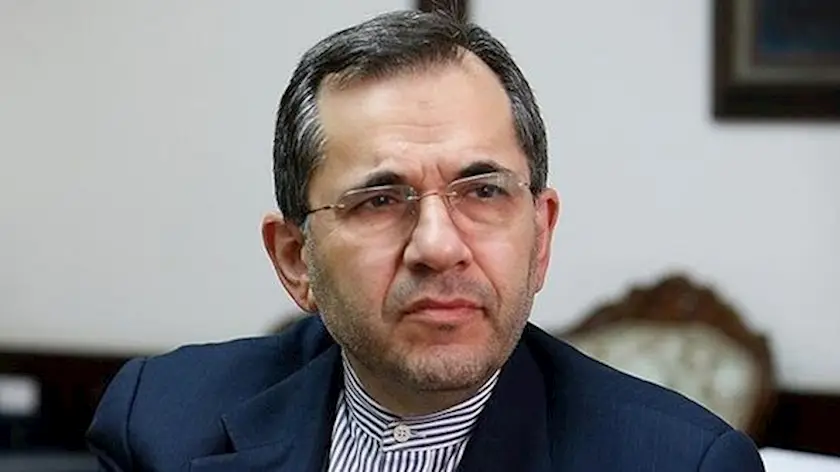
Source: Iran Press/Website
Sanctions Relief Emerges As Central Negotiation Demand
Iranian officials say that limiting nuclear activities without giving the country economic help would be unacceptable. This adds to long-standing complaints about Western pressure. Economic limits are important. Trust is still not very high.
Takht-Ravanchi said that “the ball is in America’s court” and that Washington needs to show that it is serious before any real progress can be made. Testing signals. Expectations are still low.
Oman Mediates Renewed Diplomatic Engagement
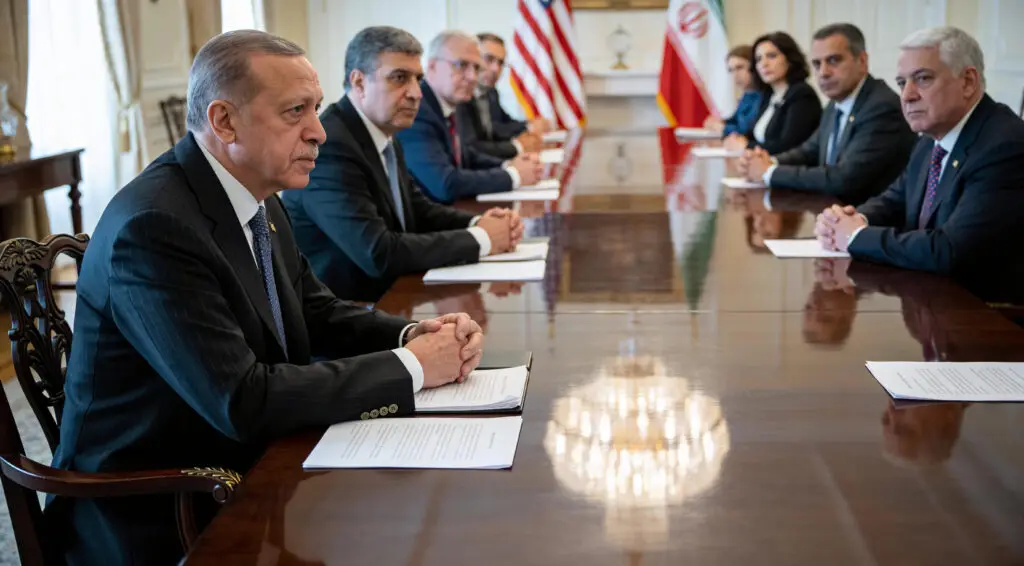
In Oman, there were recently indirect talks between Foreign Minister Abbas Araghchi and U.S. envoy Steve Witkoff and adviser Jared Kushner. Quietly, mediation goes on.
A second round is expected in Geneva, which shows that intermediaries are trying to keep the conversation going even though there is tension in the world. There are still diplomatic channels open. The results are not clear.
Recommended Article: Iran Arrests Reformists Amid Rising US Israel Tensions
Switzerland Keeps Long-Standing Diplomatic Bridge
Since the 1980 hostage crisis cut off diplomatic ties between the U.S. and Iran, Switzerland has been the U.S.’s representative in Iran. Being neutral makes it possible to talk. The arrangement is still very important.
Switzerland helps keep minimal relations between enemies by acting as a protecting power. This makes sure that important diplomatic and consular exchanges keep happening. Continuity in institutions is important. It is necessary for stability.
Iranian Doubt Grows Because of Past Failed Negotiations
Previous talks fell apart because of fighting between Israel and other countries, which made Tehran even less trusting of the process and raised fears of outside military pressure. Memories stay with you. Confidence is not strong.
Iranian officials said that earlier meetings didn’t have enough technical knowledge, which made it harder to make progress on complicated nuclear issues. Getting ready is important. Lessons shape the strategy we use now.
Military Threats Intensify Strategic Pressure
Donald Trump has said many times that if an agreement isn’t reached, force could be used, which makes people more afraid of a fight. There is more talk about deterrence. The stability of the region is at stake.
Iran said that any threat to its existence would lead to retaliation and warned that conflict would hurt everyone involved. Risks are very high. Escalation has effects all over the world.
Nuclear Limits Remain A Core Point Of Dispute
Washington says Iran must stop enriching uranium completely, but Tehran says its program is for peaceful purposes and won’t accept broad limits. People are still stuck in their positions. It seems hard to reach a compromise.
The International Atomic Energy Agency has had a hard time confirming Iran’s stockpile because it hasn’t been able to inspect it enough, which makes diplomatic efforts more urgent. There are still worries about transparency. There is pressure on negotiations.