


Coordinated Strikes Set Off Immediate Global Diplomatic Alarm
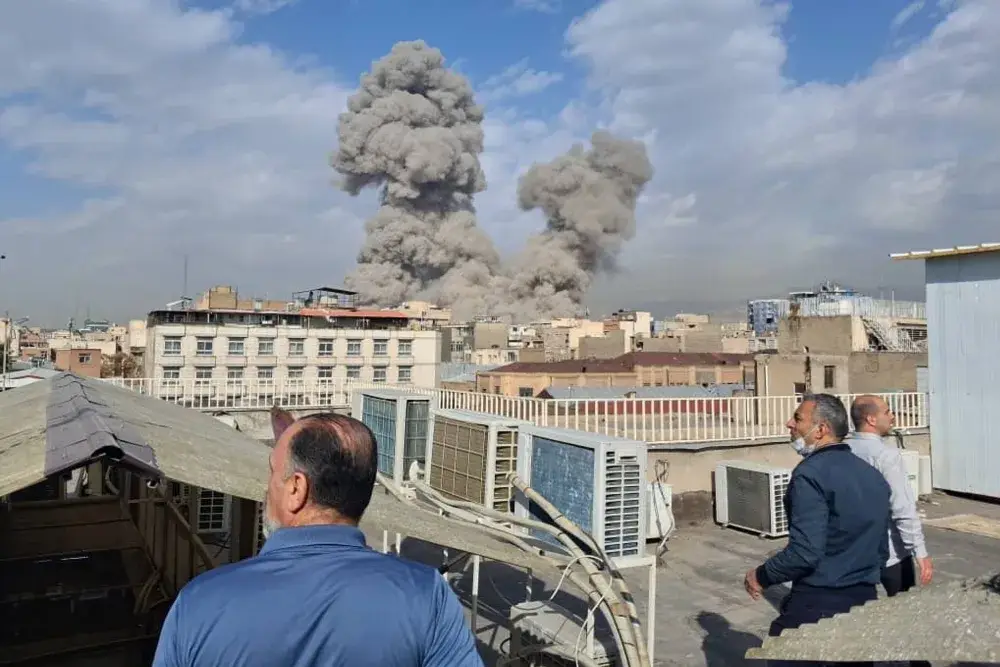
The coordinated US and Israeli attacks on Iran caused a lot of worry in many world capitals. Governments acted quickly because a rising conflict could make the region less stable. Leaders told people to be careful because concerns about military miscalculation were growing.
Iran’s missile and drone response to the US attack raised fears that the conflict would spread quickly. Observers warned that regional alliances could come under increasing strain. Diplomats stressed that if tensions escalated further, protecting civilians would become far more difficult.
Source: MS Now/Website
European Governments Call for Diplomacy While Condemning Escalation
France, Germany, and the United Kingdom issued a joint call for diplomatic solutions instead of further military action. Their statements reflected unease about the intensifying cycle of retaliation. All three emphasized that renewed negotiations were essential to calm tensions.
European Union officials echoed these concerns and highlighted vulnerabilities in nuclear oversight. They argued that regional stability must remain a priority despite deep political disagreements. As violence continued, international appeals for dialogue grew stronger.
Global Powers Offer Divergent Strategic Interpretations
Russia condemned the strikes as reckless moves likely to destabilize the broader Middle East. Officials argued that such actions undermine established norms of international security. Moscow signaled willingness to mediate while criticizing potential sovereignty violations.
Several Gulf states, including Saudi Arabia, Bahrain, and Qatar, condemned Iran’s retaliatory missile launches. They described Tehran’s response as a direct threat to regional security. Across the region, governments urged restraint to prevent further escalation.
Recommended Article: Australia Warns Big Tech As PM Demands Fair Payment For News
Legal Experts Debate Implications of Preemptive Military Action
European ministers and legal scholars questioned whether international law standards had been fully met. They pointed to uncertainty around the definition of imminent threat in this case. Concerns about proportionality and civilian exposure became central to the debate.
Humanitarian organizations warned that expanding hostilities would endanger vulnerable populations. Analysts revisited longstanding disputes over preemptive military doctrines. Calls for stricter adherence to international legal safeguards intensified.
Public Reactions Reveal Deep Global Divisions
Some diaspora communities expressed support for the strikes, framing them as pressure for political change in Iran. Demonstrations were organized to highlight hopes for reform. Activists called for sustained international attention on domestic opposition movements.
At the same time, anti-war protests emerged in several Western cities. Peace groups criticized what they viewed as dangerous escalation. Protesters urged governments to prioritize diplomacy over further military engagement.
Security Council Members Warn of Broader Regional Spillover
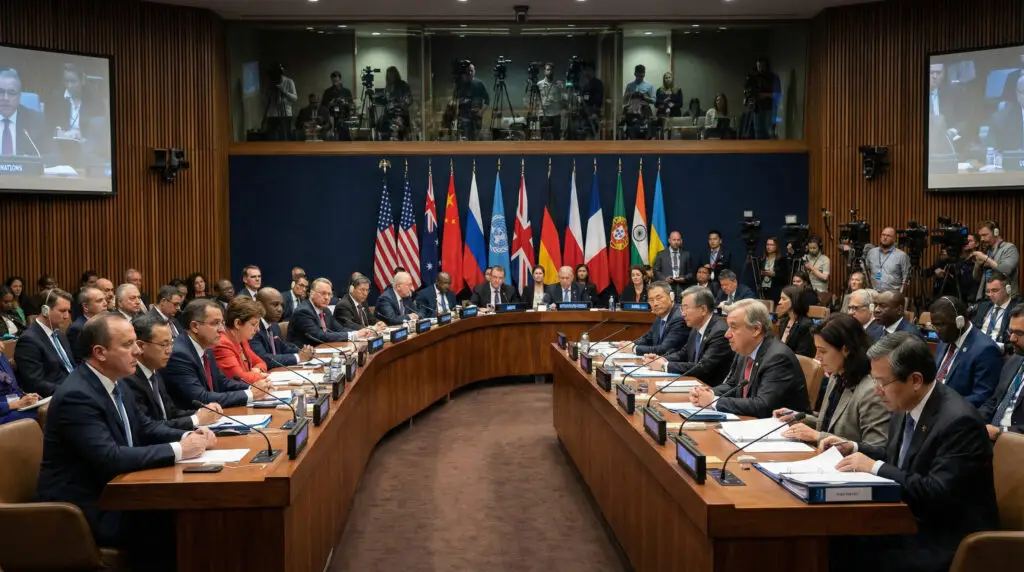
Multiple countries requested an emergency session of the United Nations Security Council. Delegates discussed how rising threat levels could jeopardize global stability. The council considered coordinated measures aimed at encouraging immediate restraint.
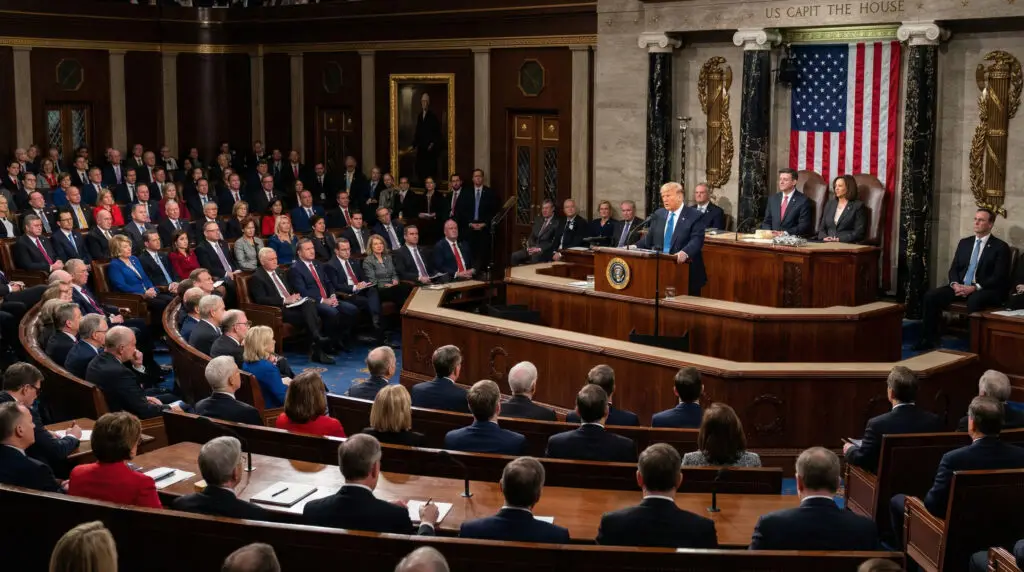
Political reactions within the United States were sharply divided. Prominent Republicans defended the strikes as necessary for deterrence. Progressive lawmakers urged caution, highlighting humanitarian and geopolitical risks.
Analysts Weigh Long-Term Strategic and Humanitarian Consequences
Experts described the confrontation as a major geopolitical flashpoint with potential to reshape alliances. They warned that prolonged conflict could severely disrupt regional economies. Continued escalation might also trigger wider international tensions.
Support for deterrence strategies remains mixed with fear of unintended consequences. Analysts stressed that without meaningful diplomatic engagement, long-term instability is a real possibility. The situation continues to evolve under intense global scrutiny.