




Macro Hook Policy Shift Signals Economic Fragility
Written by a macroeconomic analyst specializing in monetary policy, inflation dynamics, and financial markets, this analysis evaluates the implications of the latest rate decision by the Federal Reserve.
In our analysis of the current macro environment, the decision to cut rates reflects growing concern about economic stability while inflation remains elevated.
Rather than signaling aggressive stimulus, the move suggests a cautious attempt to balance competing risks.
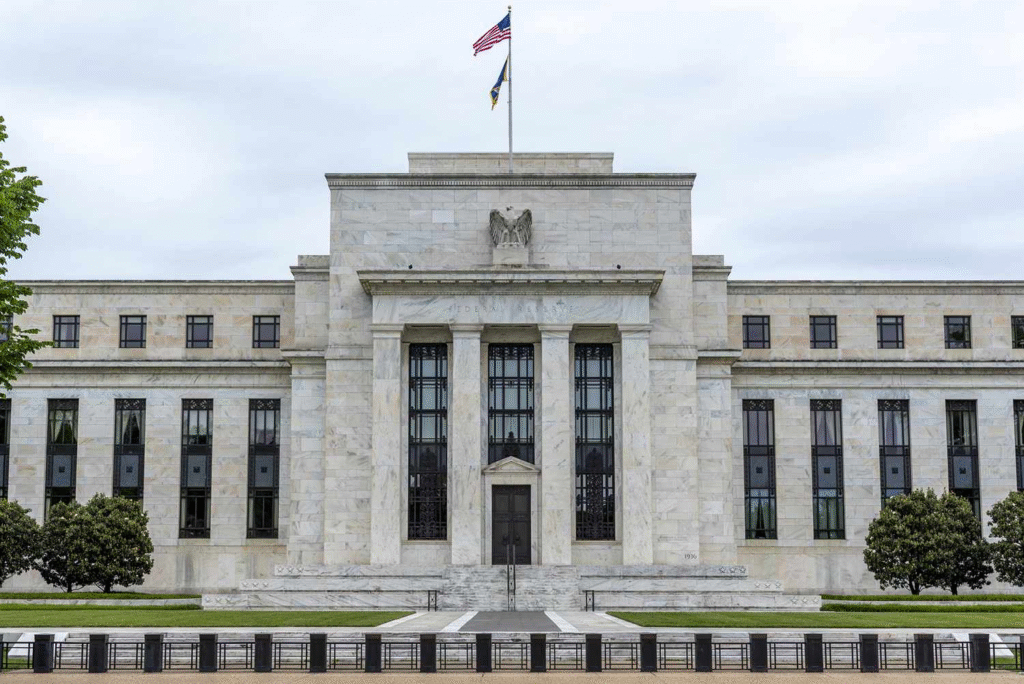
Source: Investopedia
Why the Federal Reserve Cut Rates
The rate cut was driven by the need to support economic activity without losing control of inflation.
Key motivations include:
- Persistent inflation remaining above the Fed’s target
- Signs of slowing economic momentum across sectors
- Need to support borrowing, investment, and liquidity conditions
In our evaluation, this represents a calibrated easing stance rather than a broad policy pivot.
Immediate Market Reaction
Financial markets responded with mixed sentiment following the announcement.
Key indicators include:
- Movement in the S&P 500 showing modest declines
- Increased short-term volatility across equities
- Lack of a strong bullish reaction typically associated with easing
This suggests uncertainty about the effectiveness of the policy shift.
Technical Indicators Show Mixed Signals
Market technicals reflect a divided outlook among investors.
Current signals include:
- Relative Strength Index (RSI) approaching overbought levels
- Rising volatility indicators
- Mixed short-term momentum across sectors
In our analysis, these indicators point to cautious positioning rather than clear directional conviction.
Inflation Remains the Core Challenge
Inflation continues to be the central constraint on policy flexibility.
Key concerns include:
- Elevated price pressures across multiple sectors
- Risk of inflation persistence despite policy adjustments
- Limited room for aggressive monetary easing
The Fed is attempting to support growth without reigniting inflationary momentum.
Economic Uncertainty Still High
The rate decision highlights broader concerns about economic resilience.
Contributing factors include:
- Weakening growth signals in key industries
- Ongoing global economic volatility
- Uncertainty surrounding future policy direction
Achieving a “soft landing” remains a complex objective.
Investor Sentiment Turns Cautious
Market participants are adopting a more defensive stance.
Observed behavior includes:
- Hesitation in equity market positioning
- Increased focus on macroeconomic data releases
- Preference for risk-managed investment strategies
Confidence remains fragile despite policy support.
Strategic Implications for Markets
The Fed’s decision is likely to influence investment strategies in the near term.
Potential impacts include:
- Lower borrowing costs supporting corporate activity
- Continued volatility in equity markets
- Greater emphasis on diversification and risk control
In our evaluation, markets will remain highly sensitive to incoming data.
Outlook Balancing Growth and Inflation
Future policy decisions will depend on how key economic indicators evolve.
Variables to monitor include:
- Inflation trajectory and price stability trends
- Labor market strength and employment data
- Corporate earnings performance
These factors will guide the pace and direction of future rate decisions.
A Delicate Policy Balancing Act
The latest move by the Federal Reserve highlights the complexity of managing modern economic conditions.
From a policy perspective, balancing growth and inflation requires precise calibration in an uncertain environment.
The key takeaway is clear:
Rate cuts may support short-term stability, but long-term outcomes will depend on the Fed’s ability to control inflation while sustaining economic momentum.
This analysis is provided for informational purposes only and does not constitute financial or investment advice.