


Trump Signals Retreat From Global Economic Leadership at Davos Forum
Trump gave a long speech in Davos saying that he would not honor multilateral trade agreements or long-term security guarantees for European allies. He said that tariffs were necessary tools and that globalization had hurt American industry and political independence. Many delegates saw the speech as proof that Washington no longer cares about keeping the postwar economy in order.
People pointed out the symbolism of Davos, which has long been a place for defending open markets and working together with other countries. Instead of focusing on shared economic responsibilities and security alliances, Trump talked more about national self-interest and transactional diplomacy. This change in rhetoric showed that Americans were less willing to work together on global economic governance frameworks.
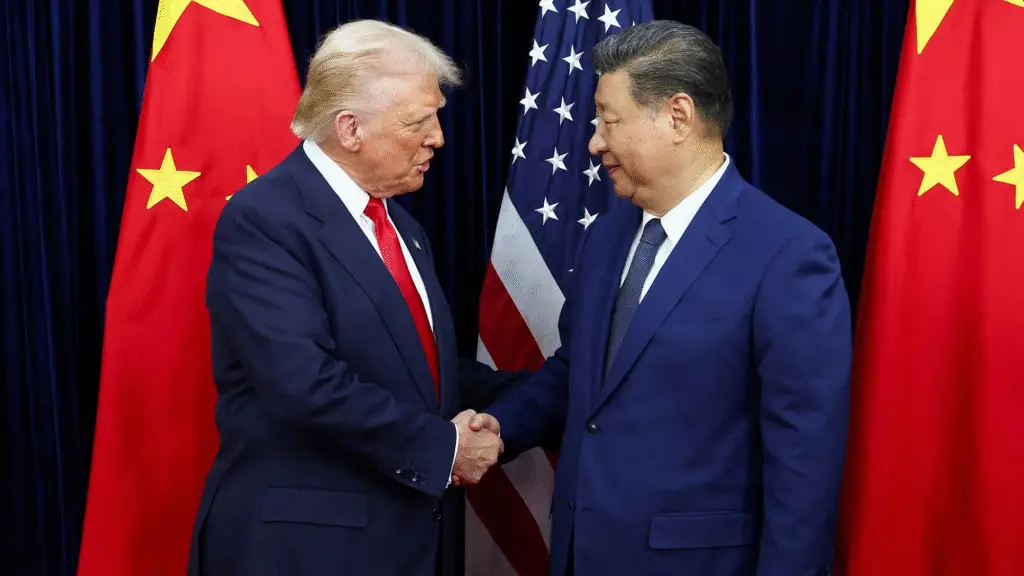
Source: CNN/Website
China Positions Itself as Defender of Globalization and Multilateral Trade
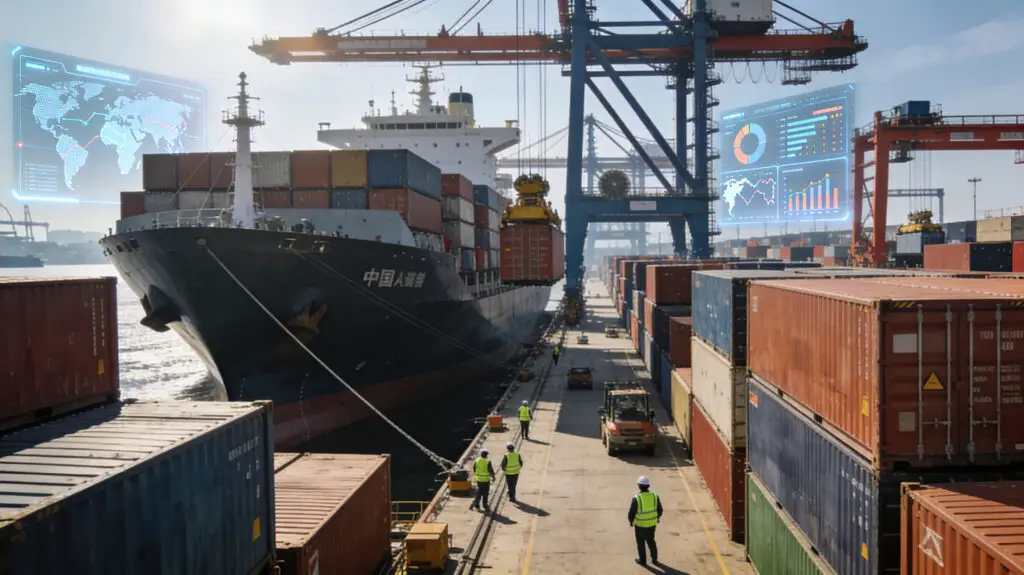
Chinese officials pointed out that President Xi has given speeches in the past in favor of global trade and institutional cooperation. Even though there are doubts about subsidies surveillance and industrial policy practices, Beijing keeps acting like a reliable partner. This difference became more clear after Trump turned down stories about working together to lead the economy.
Analysts say that China benefits diplomatically when the US stops trying to build consensus on issues around the world. Even critics agree that Beijing always takes part in multilateral forums that promote infrastructure financing and development projects. Such involvement makes people feel like things are stable even though Americans are unpredictable.
European Leaders Weigh Alignment Between Washington Disengagement and Beijing
European governments are still committed to trade systems based on rules and working together to fight climate change. Trump’s tariffs and criticism of NATO make it much harder to plan and coordinate economic and strategic activities across the Atlantic. China is becoming more and more of a trade and industrial partner that people can work with.
But there is still distrust because of worries about human rights, market distortions, and technology security risks. Ukraine is still a major roadblock to deeper strategic ties between Europe and Beijing. Even though there are tensions, Europe wants to build practical economic ties while protecting itself from geopolitical risks.
Recommended Article: UBS Predicts Global Economic Rebound in 2026 as Tariffs Ease
Energy Policy Divides Widen Between United States Europe and China
Trump made fun of European efforts to fight climate change while praising new plans to expand fossil fuel use in the US. He said that China was taking advantage of renewable markets while secretly using coal to power its own homes. Experts say that China has the most money to invest in and deploy renewable energy technology around the world.
Europe is still trying to cut down on emissions, even though the economy is tough and energy prices are always changing. China is the world’s biggest supplier of batteries for electric vehicles and solar technology. These changes change the way businesses compete and how countries use their power in energy markets.
Tariffs Reshape Diplomacy as Trump Pressures Allies and Rivals Alike
After a tense phone call with Switzerland’s president, Trump talked about putting tariffs on the country. After talking with big Swiss exporters, including luxury goods makers, he later cut duties. This kind of unpredictability makes trade partners nervous and makes it harder to plan investments.
People in the markets see tariffs as a way for politicians to get what they want, not as a way to keep the economy stable. Allies are starting to take into account how unstable American policy is when planning long-term trade diversification. This setting promotes different kinds of partnerships that make people less dependent on US markets.
Global Institutions Weaken as American Leadership Credibility Declines Sharply
During panel discussions in Davos, US officials said that the current world trading system was out of date. Canadian leaders warned that we are entering a new era where there are no limits on how great powers compete with each other. These statements worry smaller economies that rely on systems for resolving disputes that are easy to understand.
Without American support, trust in organizations like the World Trade Organization goes down. China takes advantage of this by making regional trade agreements and development financing platforms bigger. The balance of power slowly shifts toward people who want things to stay the same.
Strategic Uncertainty Grows as Alliances Adjust to New Power Balance
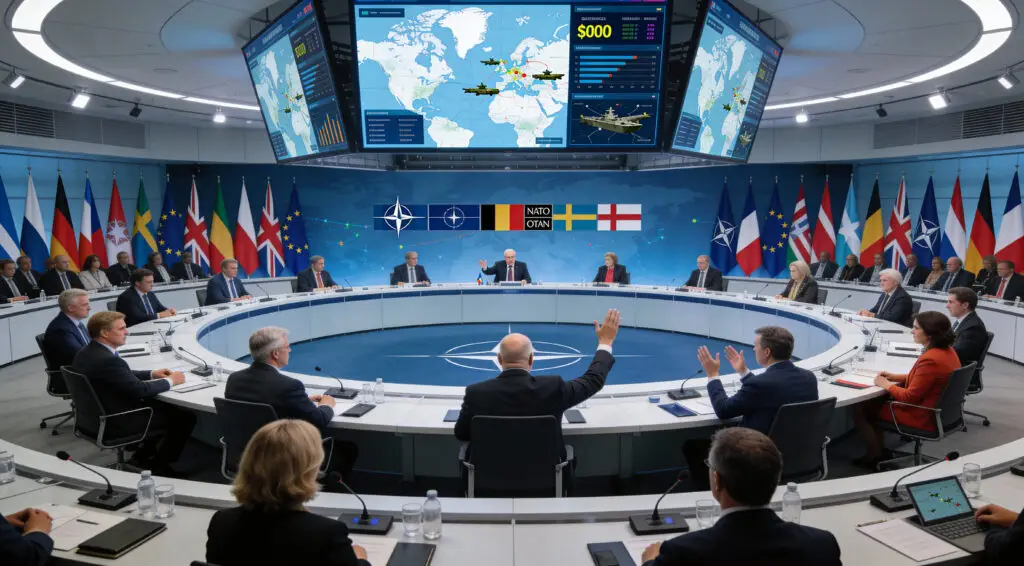
Trump made more threats about Greenland, which goes against NATO’s rules about unity and territorial sovereignty. European leaders privately doubted the reliability of American security promises made under a transactional leadership style. These kinds of doubts also affect frameworks for economic cooperation.
China indirectly gains as Western unity diminishes amid ongoing diplomatic tensions. Global investors are rethinking the risks they associate with the ups and downs of American politics. More and more, economic leadership is split up among different groups that are all trying to be the most important.