



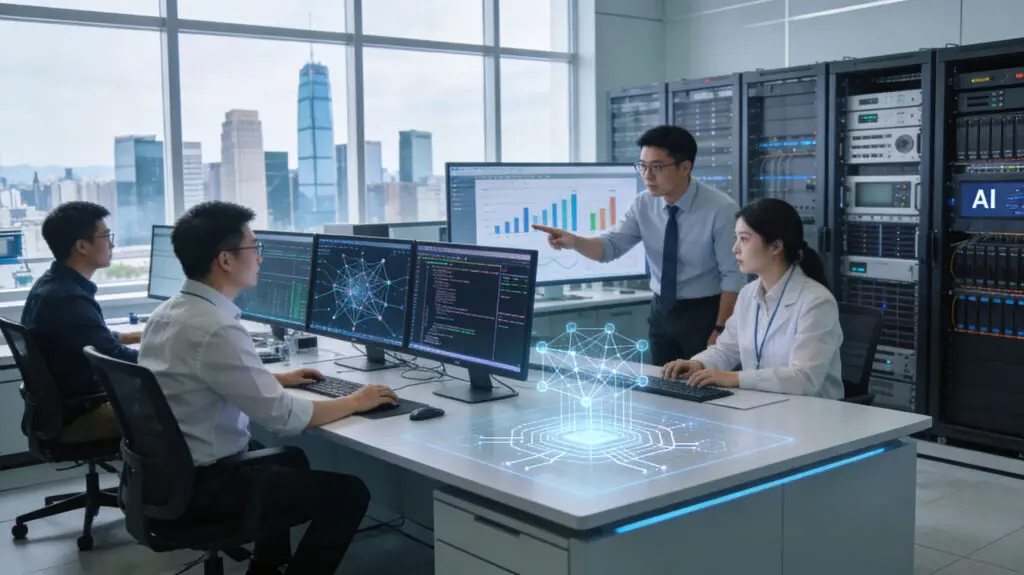
China Rejects Western AI Race Framing And Redefines Strategic Goals
In the West, debates about AI progress see it as a race to the top, with performance benchmarks as the measure of success. China, on the other hand, puts more emphasis on putting intelligence into national systems. Its goal is to bring AI into institutions that shape social and economic behavior.
Silicon Valley places a lot of importance on experimenting on the frontier with little help from the government. Beijing has different priorities and is focusing on coordinated national deployments. These different ideas show that there are different philosophies about what AI’s role in society should be.
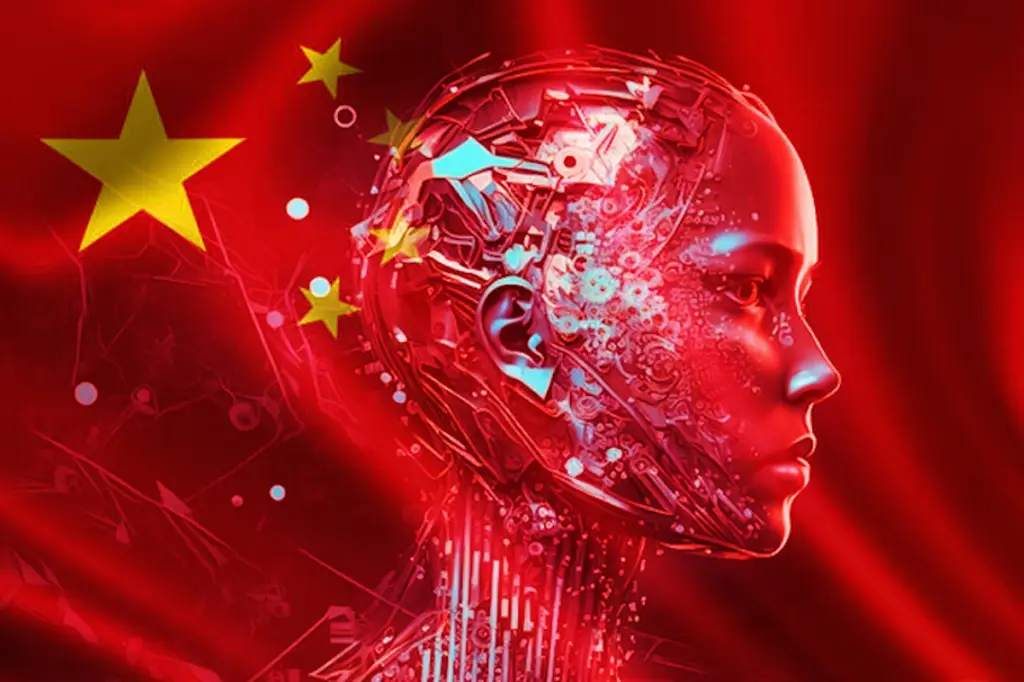
Source: Asia Times/Website
Infrastructure Foundations Help China Use AI All Over the Country
China puts a lot of money into connecting data centers and industrial networks. These systems make unified substrates that allow for the distribution of intelligence on a large scale. Infrastructure lowers the costs of deployment, which improves the country’s long-term efficiency.
The US government gives more money to basic research and moonshot projects. China does the opposite of this by first strengthening operational platforms. This method speeds up productivity in manufacturing logistics and public services down the line.
Cultural Traditions Shape China’s Governance Philosophy For Artificial Intelligence
Confucian ideals stress social order, harmony, and duties based on roles. Technology is judged based on how it helps keep the public safe. AI becomes a tool that makes sure that people act in ways that are in line with shared rules.
Legalist theory makes it clearer how to enforce rules and keeps the system in line. Algorithmic monitoring improves visibility, which makes it easier to take action. Regulatory frameworks that are structured in unique ways are shaped by different traditions.
Recommended Article: Western Leaders Deepen China Ties Amid Global Uncertainty
Platform Regulation Illustrates China’s Pattern Of Expansion And Reintegration
Big platforms grew quickly, which helped the digitization of the country. The government kept a closer eye on businesses when they started to have an impact on infrastructure. Authorities stepped in with antitrust measures, algorithm rules, and structural requirements.
These actions bring back the ability of private individuals to work with the government. Businesses are still running, but with different levels of power. The model strikes a balance between innovation and state-directed stability.
Predictive State Emerges Through Integrated Data Systems And Proactive Governance
AI-enabled platforms make it possible for computers to understand society. The movements and interactions of transactions become structured signals. These inputs help models guess what might go wrong.
The government’s response changes from reacting to enforcing to coordinating ahead of time. Risks are reduced before instability sets in. Governance turns into a process of constant improvement across all areas.
Human Roles Adapt As AI Reorganizes Workflows And Institutional Functions
AI adds to roles in hierarchical organizations instead of getting rid of them. Workers move from doing things by hand to being in charge of others. Doctors, administrators, and technicians all work together to handle exceptions.
Hybrid systems do a good job of sharing intelligence between people and algorithms. Productivity goes up while keeping safety measures in place. But tacit knowledge may decrease as decisions adhere to quantitative frameworks.
Political Design Determines Durability Of China’s Integrated AI Model
Predictive systems work best when patterns stay the same and can be seen. But unexpected shocks put institutional resilience and algorithmic assumptions to the test. Flexibility is necessary for changing how governance works.
Countries will pick AI models that fit their political beliefs. Some put markets and freedom first, which helps decentralized innovation. Through planned AI integration, China stresses national independence and stable coordination.