


Public Reactions Intensify As Athletes Speak On National Controversies
When athletes talk about political issues that affect communities across the country, they are increasingly criticized. Many fans want sports to be an escape, so when athletes speak out, it creates tension. This dynamic makes it harder for public figures to decide how and when to use their platforms.
After Alex Pretti died, former baseball player Kole Calhoun criticized federal agents, which got a lot of attention online. His comments started the debate again about whether athletes should speak publicly about politics. Supporters said he was exercising his protected rights responsibly.
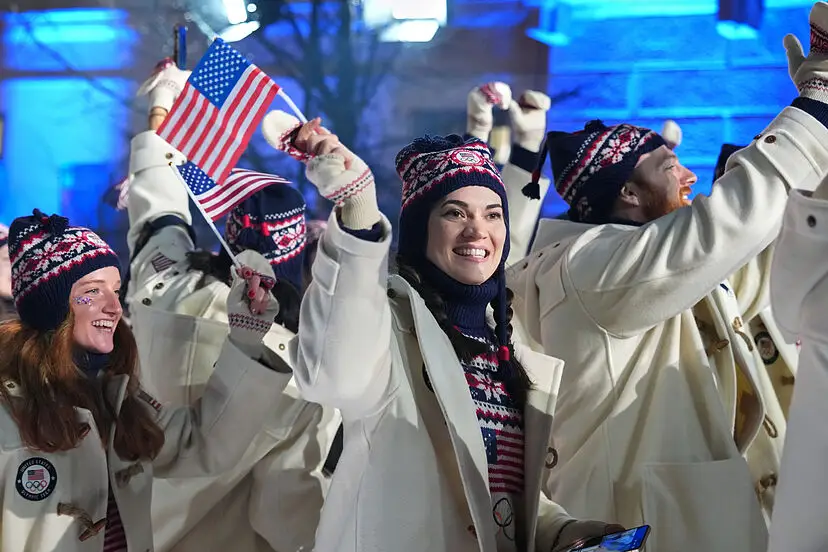
Source: MARCA/Website
Historical Ties Show Sports And Politics Rarely Operate Separately
Experts argue that the expectation that sports remain apolitical is unrealistic and historically inaccurate. Politicians and athletes have long influenced national conversations at the same time. During periods of national conflict, these overlapping spheres often become even more intense.
Professor Barry Bozeman said that sports have never truly been separate from politics. He pointed to past Olympic controversies that reflected broader national divisions. His comments highlight how cultural debates have always intersected with athletic competition.
Athletes Often Face Consequences Despite Constitutional Protections
The First Amendment protects individuals from government punishment for their speech. However, private employers can still discipline workers for controversial public statements. This distinction complicates decisions for athletes employed by professional organizations.
Several athletes and analysts have noted that speaking out politically can carry professional risks. High-profile cases of lost sponsorships or team penalties illustrate potential consequences. These outcomes show why communication strategy is often carefully calculated.
Recommended Article: Vance Urges Olympians to Avoid Politics During Games
Polarization Makes Public Response More Intense And Divided
Comments made by athletes frequently trigger strong reactions amplified through digital platforms. Political leaders sometimes respond directly, escalating the controversy even further. Recent remarks from President Trump demonstrate how politics increasingly intersects with sports commentary.
Freestyle skier Hunter Hess said he struggled with representing the United States during periods of unrest. Trump’s sharp response intensified the backlash and deepened partisan divisions. Observers say such exchanges reflect growing polarization across American society.
Historical Moments Reveal Longstanding Blending Of Sports And Politics
Major sporting events have often coincided with significant political conflicts throughout modern history. Olympic boycotts and diplomatic tensions have repeatedly influenced international competitions. These decisions reflected broader geopolitical realities rather than isolated athletic disputes.
During the Cold War, the 1980 Winter Olympics carried enormous symbolic weight. Athletes understood the political implications surrounding their historic hockey victory. Analysts argue that such moments illustrate the deep ties between national identity and sport.
Personal Histories Influence Credibility Of Athlete Political Speech
Athletes who have experienced personal tragedy sometimes gain greater credibility when addressing sensitive issues. Coaches and players with direct exposure to violence or injustice often speak from lived experience. Their perspectives resonate more strongly with diverse audiences.
Steve Kerr frequently discusses political violence shaped by his family’s history. His advocacy reflects values grounded in personal loss and empathy. Experts suggest that authentic narratives can strengthen public support despite controversy.
International Athletes Provide Distinct Perspectives On American Issues
Foreign athletes competing in U.S. leagues sometimes comment on domestic political debates. Their viewpoints can challenge assumptions about national norms and public discourse. Observers note that outside perspectives often transcend traditional party divisions.
Victor Wembanyama addressed recent events despite recognizing potential backlash. His remarks emphasized moral concerns rather than partisan positions. Analysts say international voices broaden conversations about how American controversies are perceived globally.