



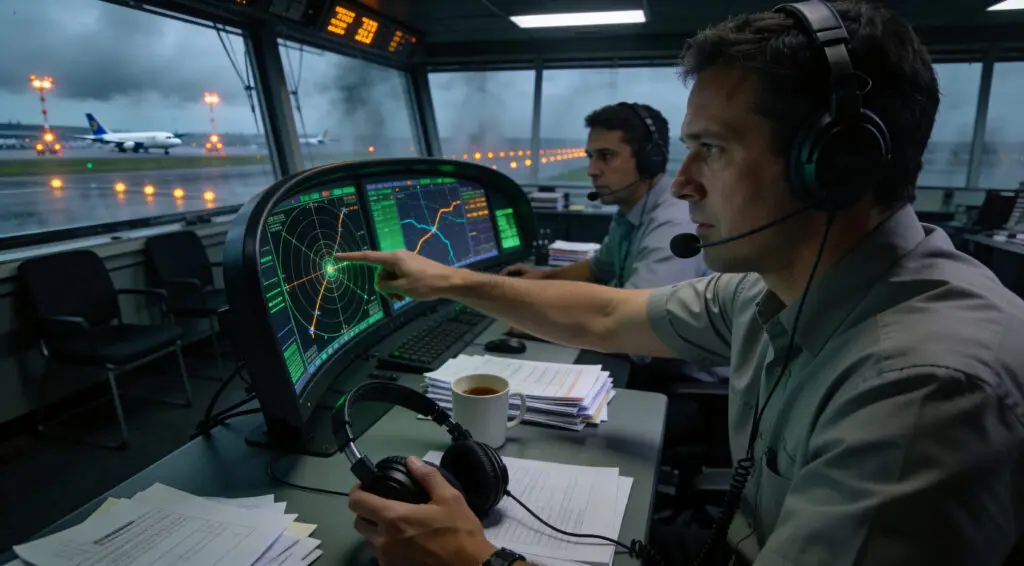
Aviation Crisis Hook Shutdown Strains Critical Systems
Written from a public policy and infrastructure risk perspective, this analysis examines how government funding disruptions translate into operational stress in aviation systems.
In our analysis of the current aviation landscape, the prolonged shutdown in the United States is creating pressure across critical air travel infrastructure.
The disruption highlights how tightly coupled staffing, funding, and safety systems are within modern aviation networks.
What Triggered The Aviation Warning
The warning comes from JD Vance, signaling concern at the highest political level.
Key developments include:
- Warning of a potential “air travel meltdown”
- Shutdown approaching one month in duration
- Essential aviation workers missing multiple paychecks
This combination raises immediate concerns about operational continuity.

FAA Staffing Crisis Intensifies
The Federal Aviation Administration is facing mounting workforce strain.
Key issues include:
- Air traffic controllers working without pay
- Increased financial pressure leading to second jobs
- Staffing shortages forcing traffic management restrictions
In our evaluation, workforce instability is the most critical near-term risk to system reliability.
Flight Delays And Ground Stops Rising
Operational disruptions are already emerging across major hubs.
Affected locations include:
- Newark Liberty International Airport
- Los Angeles International Airport
- Ronald Reagan Washington National Airport
Observed impacts:
- Increased ground delay programs
- Rising flight cancellations
- Reduced scheduling flexibility
These are early indicators of system stress.
Aviation System Risk Breakdown During Shutdown
Operational Pressure Across Key Areas
| System Area | Current Condition | Risk Level | Primary Driver |
|---|---|---|---|
| Air Traffic Control | Understaffed | High | Unpaid workforce |
| Flight Operations | Delays increasing | High | Capacity limits |
| Hiring Pipeline | Paused | Medium | Funding halt |
| Training Programs | Delayed | Medium | Resource constraints |
| Passenger Demand | Rising | High | Seasonal travel surge |
This breakdown shows how multiple pressure points are converging simultaneously.
Holiday Travel Season Raises Stakes
Timing is amplifying the crisis.
Key risks include:
- Approaching peak travel periods
- Surge in passenger volume
- Limited ability to scale staffing
In our analysis, demand pressure could accelerate system breakdown if unresolved.
Hiring And Training Pipeline Halted
The shutdown is not just affecting current operations—it is damaging future capacity.
Key developments include:
- Suspension of controller hiring
- Delays in certification and training
- Reduced inflow of new personnel
This creates a lag effect that can persist even after funding resumes.
Political Deadlock Behind The Crisis
The disruption stems from unresolved political conflict.
Key factors include:
- Budget disagreements between lawmakers
- Policy disputes delaying appropriations
- Lack of immediate resolution timeline
This highlights how political processes directly impact operational infrastructure.
Risk Of System-Wide Aviation Disruption
Officials warn that escalation could be rapid.
Potential outcomes include:
- Nationwide reduction in flight capacity
- Increased safety and scheduling constraints
- Cascading delays across interconnected airports
In our evaluation, the system is approaching a critical stress threshold.
Economic And Consumer Impact
The effects extend beyond aviation systems.
Key implications include:
- Disruption to business travel and logistics
- Rising operational costs for airlines
- Declining consumer confidence in air travel reliability
These impacts can ripple into broader economic activity.
Outlook Escalating Pressure Without Resolution
The aviation system remains vulnerable as long as the shutdown persists.
Short-term disruptions could evolve into systemic instability if staffing shortages continue.
Infrastructure Depends On Stability
The warning from JD Vance reflects a broader structural issue.
From a policy and economic perspective, modern infrastructure depends on stable governance, consistent funding, and workforce continuity.
When funding stops, even highly advanced systems like aviation can quickly shift from stable to fragile—making resolution not just political, but operationally urgent.