


OpenAI and Pentagon Establish Boundaries for Military AI Usage
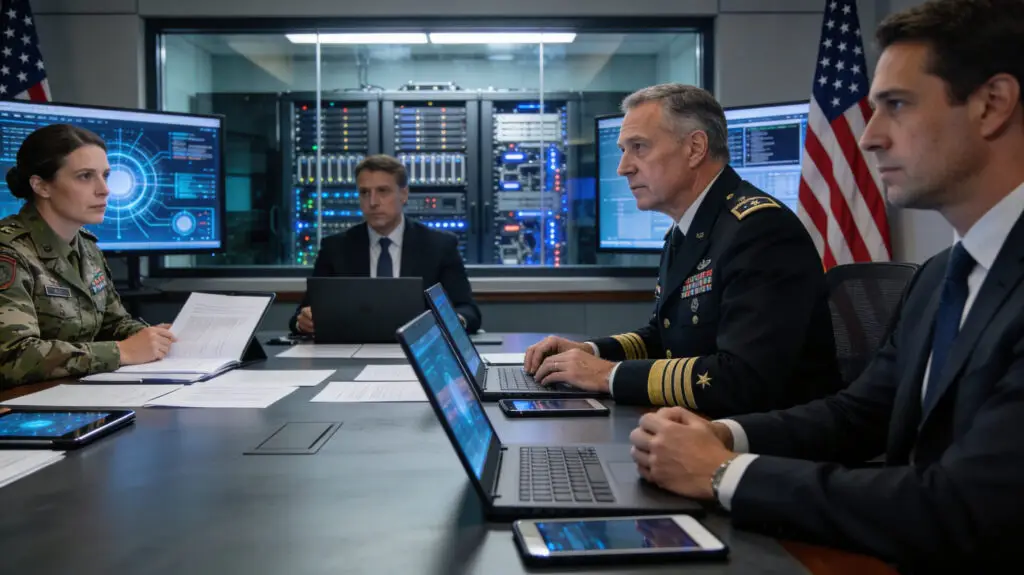
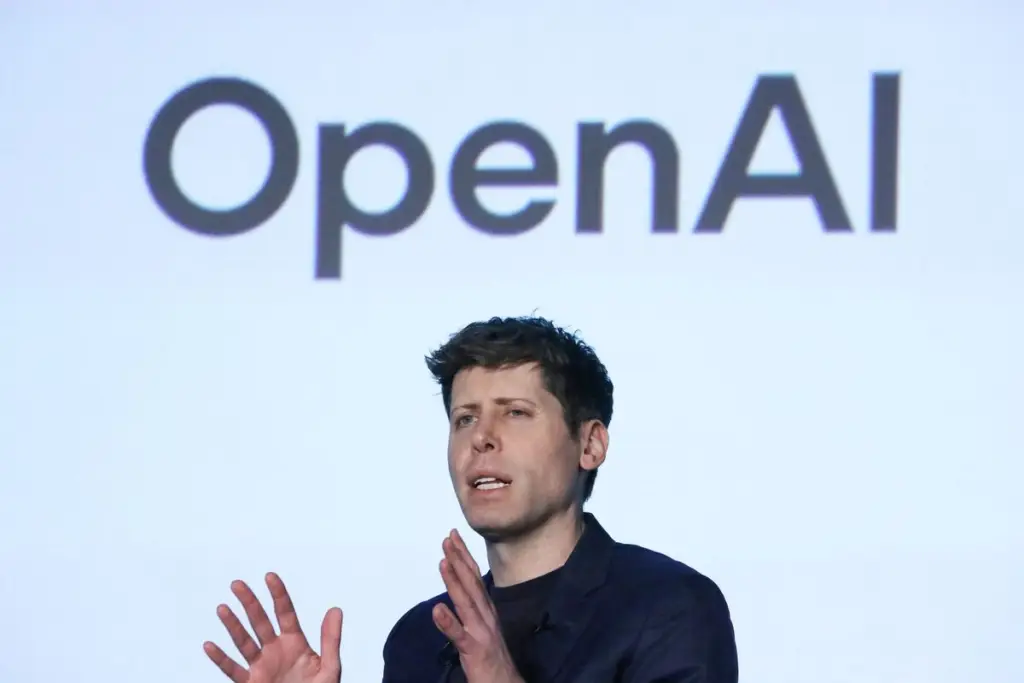
OpenAI said that it had reached an agreement with the Pentagon outlining specific limits for sensitive military applications. Sam Altman made it clear that OpenAI technology will not be used for mass surveillance or fully autonomous weapons. He stressed the importance of ethical safeguards to ensure humans remain fully responsible for decisions involving military force.
Altman described the agreement as a response to serious concerns raised by defense partners and civil society groups. He said the Pentagon respected safety guardrails while negotiating operational boundaries. OpenAI stated that the deal was necessary to maintain public trust as defense technology integration accelerates.
Source: Bloomberg.com
Concerns About Autonomous Weapons Shape Negotiation Outcomes
Criticism of autonomous weapons systems intensified pressure on technology firms to uphold strict ethical standards. OpenAI reiterated that no system deployed under the agreement would independently make lethal decisions. Military personnel must retain full control over any mechanism involving the use of force.
The Pentagon agreed to operational constraints preventing harmful automation features from being embedded into platforms. Negotiators emphasized responsible oversight through strict internal review processes. Both sides characterized the agreement as a significant step toward responsible collaboration between developers and defense institutions.
Anthropic Exit Sparked Broader Debate Over Ethical Commitments
Anthropic had previously declined Pentagon requests that conflicted with its safety policies. Company leadership said it could not support autonomous targeting or domestic surveillance applications. That decision created immediate gaps in certain defense technology workflows.
The withdrawal increased scrutiny on government expectations for advanced AI systems. Observers questioned whether developers were being pressured to weaken safeguards. OpenAI positioned its agreement as reinforcing ethical commitments rather than compromising core principles.
Recommended Article: Investors Warn of Rising Risks From Big Tech’s AI Spending Boom
Trump Administration Ordered Federal Agencies to Drop Anthropic
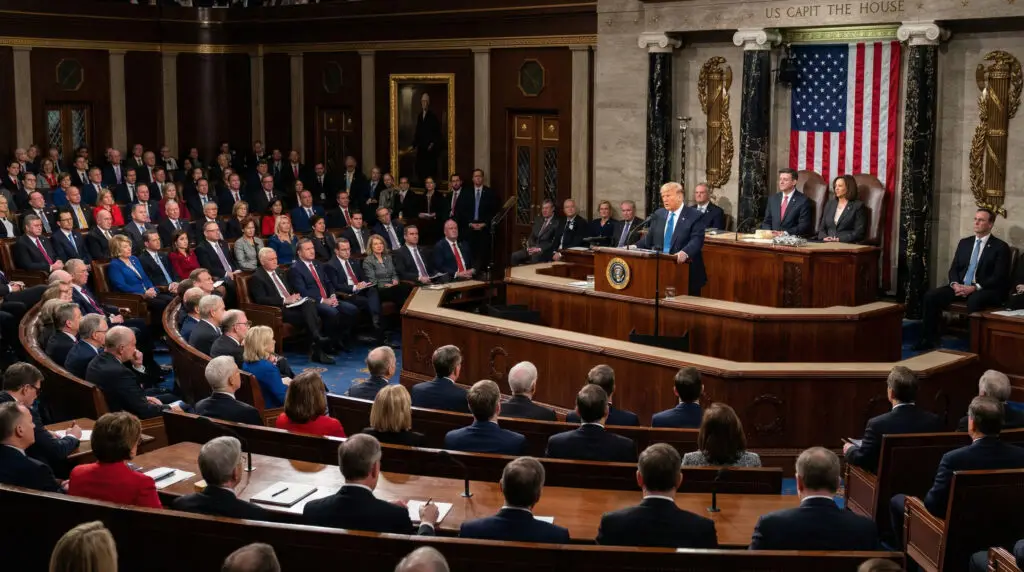
President Donald Trump directed federal agencies to discontinue use of Anthropic technology. He publicly criticized the company, arguing its leadership did not align with national security priorities. Agencies were instructed to halt reliance on Anthropic systems, even where deeply integrated.
The Pentagon, however, requested time to replace embedded software supporting mission-critical operations. Defense officials emphasized that transitions must be carefully managed to avoid operational disruption. Military platforms were granted a six-month window to complete the required system changes.
Human Rights Advocates Warn About Potential Military AI Misuse
Advocacy organizations continued to raise concerns about military applications of advanced AI. Several groups cited examples of mass surveillance and automated targeting systems. They argued that insufficient oversight could lead to serious human rights violations.
Reports referenced cases where AI platforms were allegedly used to generate targeting lists. Analysts warned that automated decision-making can escalate conflicts without adequate human judgment. Human rights experts urged companies to implement stronger global safeguards.
Global Conflicts Underscore Urgency of Responsible AI Standards
Recent international conflicts highlighted how emerging technologies affect civilian populations. Analysts explained that automated intelligence tools can accelerate surveillance and intensify urban warfare risks. Without robust accountability mechanisms, such systems may exceed legal and ethical boundaries.
International organizations called for clearer global standards governing military AI use. Experts advocated coordinated efforts to align technological development with humanitarian principles. They stressed that industry leaders must collaborate with policymakers to establish enforceable protections.
OpenAI Frames Agreement as Balance Between Safety and Security
Altman said the partnership reflects the complex geopolitical landscape. He argued that emerging threats require responsible cooperation between technology firms and defense agencies. OpenAI maintained that safeguarding civilian rights and supporting national security are not mutually exclusive goals.
The company emphasized that aligning innovation with ethical responsibility strengthens long-term stability. OpenAI reaffirmed its commitment to reviewing each proposed military use carefully. Leadership underscored that transparency, limits, and accountability remain essential as technology evolves rapidly.