



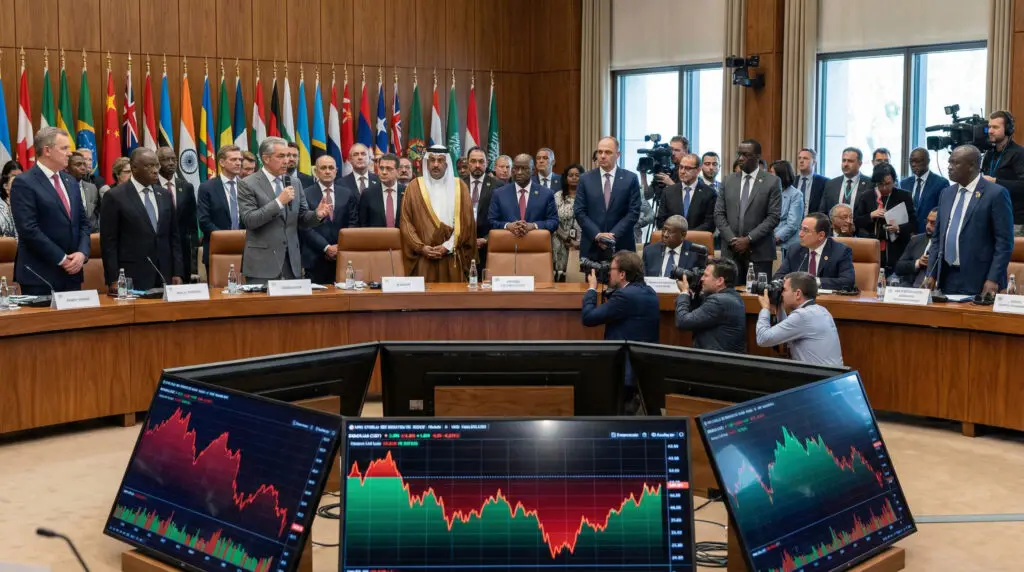
Coordinated Strikes Hit Iranian Targets Amid Rising Regional Hostility
US and Israeli forces struck multiple sites inside Iran, including targets in Tehran. Officials described the operation as a direct response to repeated Iranian attacks. Military spokespersons emphasized the urgency of addressing escalating security threats.
Iranian leaders condemned the strikes as deliberate aggression. Government officials vowed strong retaliation against what they described as hostile actions. As tensions intensified rapidly, the international community closely monitored developments.
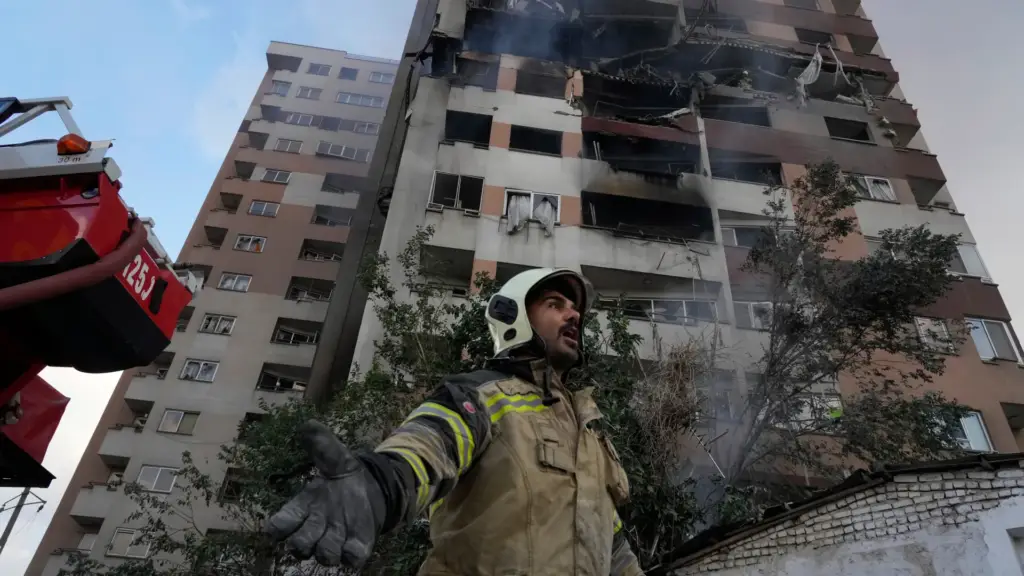
Source: Al Jazeera/Website
Iran Responds With Missile Attacks Targeting Regional US and Israeli Assets
Following the initial strikes, Iran launched coordinated missile and drone attacks toward Israel. Several US bases across the Middle East were also targeted. Officials reported that defensive systems intercepted multiple incoming projectiles.
Iranian authorities described their response as measured and justified. Regional observers warned that continued exchanges could evolve into prolonged conflict. Emergency alerts were issued as military forces assessed additional threats.
Western Governments Urge Immediate De-Escalation and Renewed Diplomacy
European governments quickly called for renewed diplomatic engagement to prevent further escalation. Officials stressed that dialogue remains essential for regional stability. Statements highlighted immediate concerns about civilian safety in affected areas.
European Union leaders warned that sustained violence could disrupt broader geopolitical balance. They expressed alarm at the rapid pace of military developments. Calls for restraint grew louder as global tensions intensified.
Recommended Article: India US Trade Talks Delayed After US Tariff Ruling Impacts Deal
Russia and Other Global Powers Condemn Strikes as Destabilizing
Russia criticized the actions of the United States and Israel as dangerous and destabilizing. Officials argued that the strikes increased humanitarian and security risks. Moscow urged an immediate halt to offensive operations.
Several other international actors voiced similar concerns. Critics said the escalation worsened already fragile regional dynamics. Diplomats encouraged renewed negotiations before the situation deteriorated further.
Gulf States Warn of Spillover Risks and Civilian Threats
Governments across the Gulf expressed concern about potential spillover effects. Officials highlighted risks to critical infrastructure and regional security systems. Civilians living near contested areas were identified as particularly vulnerable.
Airspace disruptions occurred in several states during retaliatory exchanges. Authorities described the developments as threats to national sovereignty. Emergency contingency plans were activated to safeguard key facilities.
Energy Markets React as Oil Prices Rise on Strait Concerns
Oil prices surged as traders assessed risks near the Strait of Hormuz. Market participants feared disruptions to crude shipments through the strategic corridor. Energy analysts warned that sustained instability could strain global supply chains.
Risk premiums increased across multiple commodity markets. Financial volatility reflected growing macroeconomic uncertainty. Concerns mounted over potential long-term inflationary pressures linked to regional conflict.
Global Analysts Warn Escalation Could Reshape Geopolitical Alliances
Analysts cautioned that continued hostilities might alter regional alliances. Observers noted that broader international involvement appeared increasingly possible. Strategic assessments projected significant global consequences if conflict persisted.
Security experts highlighted dangers of miscalculation and unintended escalation. Humanitarian organizations warned that civilians would bear the heaviest burden of extended violence. Governments worldwide prepared contingency plans amid heightened uncertainty.