


Oil Market Volatility Surges After Strikes Increase Global Supply Concerns
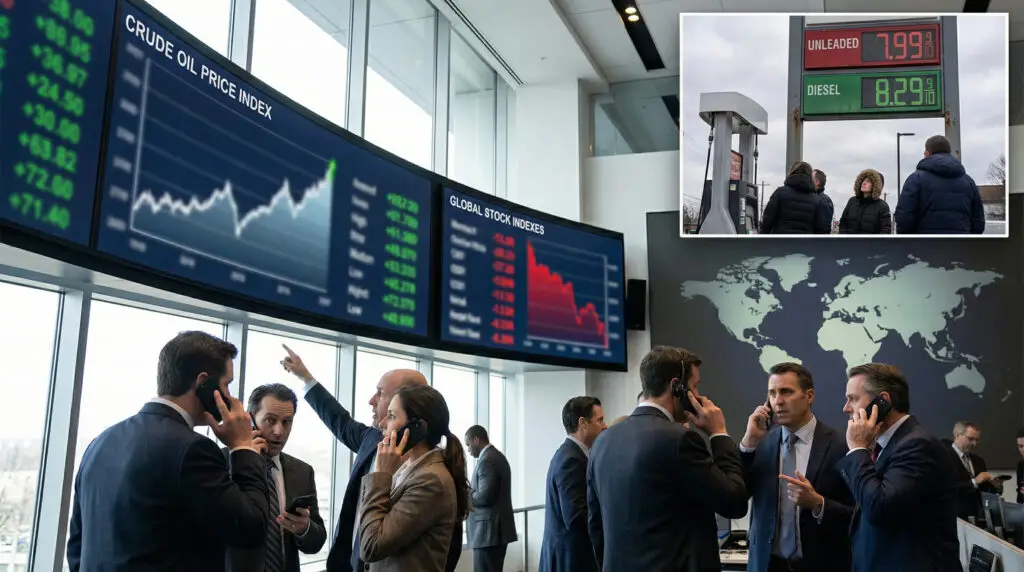
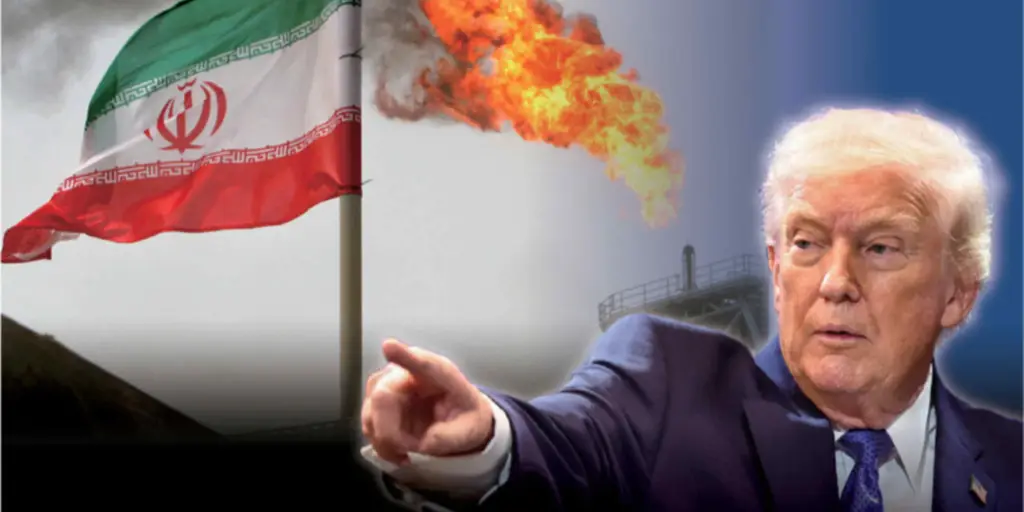
The US and Israel’s military attacks on Iran caused energy markets around the world to become very unstable right away. Experts said the war could make it hard to get supplies through the important Strait of Hormuz. Traders expected higher geopolitical risk premiums, so the markets reacted strongly.
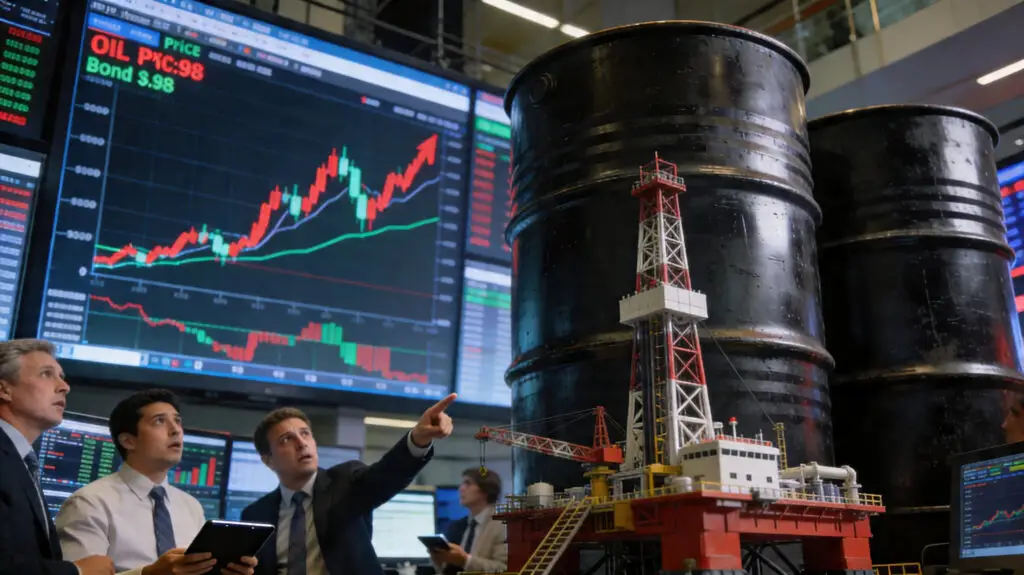
Even small problems near the strait could cause big rises in global crude benchmarks. Experts said that prices could quickly reach $100 per barrel. Rising crude prices put a lot of stress on economies around the world that depend on energy.
Source: Nikkei Asia/Website
Energy Price Shocks Drive Fresh Inflation Pressures Across Global Economies
When crude oil prices go up, the cost of gasoline and diesel goes up for consumers right away. Industries that rely on transportation see prices rise quickly, which makes it harder for them to do business. As global instability gets worse, energy costs rise, which makes things harder for the manufacturing sector.
Central banks around the world are having a harder time keeping inflation expectations in check. Costs that are driven by supply make it much harder to make decisions about interest rates. Economists say that these pressures could last if geopolitical tensions keep getting worse.
Strait of Hormuz Risks Intensify Market Fears About Prolonged Supply Disruptions
About 20% of the world’s crude oil shipments pass through the Strait of Hormuz. Any disruptions caused by a conflict make the international market unstable right away. Traders act quickly because even short-term breaks can cause a lot of damage to the economy.
Shipping insurance companies raise premiums, which raises the cost of shipping around the world. Energy companies make backup plans in case of operational emergencies. If tensions in the region don’t calm down quickly, markets are ready for a long period of volatility.
Recommended Article: Kansas Economy Grows Strongly as Population Growth Lags
Geopolitical Shock Makes It Harder for Central Banks to Make Policy Decisions
Central banks were already dealing with high inflation expectations. New geopolitical instability makes interest rate paths much less certain. Policymakers need to find a balance between weak growth and rising prices around the world.
Higher energy costs make it harder for people to buy things in many economies. Central banks may put off lowering rates because inflation is expected to get worse. Financial experts say that mistakes in policy could make the economy much more unstable.
Commodity Markets Price Additional Risk Premiums Amid Ongoing Regional Instability
Traders in crude oil and gas markets add geopolitical risk premiums to their prices. Investors are taking defensive positions because they think there will be more supply problems soon. Pricing models change quickly to show that there is more uncertainty in many areas.
These kinds of premiums have an immediate effect on manufacturing sectors that come after them. Goods producers with small profit margins are under pressure because of higher input costs. In the end, prices go up for consumers all over the world in important categories.
Business Confidence Weakens as Global Trade Faces Mounting Disruptions
Geopolitical shocks often make investors much less confident. Uncertain energy costs make it hard for businesses to plan production. Companies that rely on imports face major logistical problems that affect their ability to make money.
Trade problems also put larger supply chain frameworks at risk. Export-dependent economies become less competitive when shipping costs go up. Businesses put off making investments until things settle down in the areas that are affected.
Analysts Warn About Long-Term Inflation Risks if Tensions Escalate Further
Economists say that ongoing conflict could cause inflation to become deeply ingrained in global markets. Long-term instability leads to long-term risk premiums on many goods. Historically, these patterns lead to long-lasting cycles of inflation.
Analysts say that families all over the world are under a lot of stress. Rising energy costs leave less money for basic needs. Inflation shocks also make inequality worse in weak parts of the economy around the world.