




Estonian Parties Talk About Supporting Karis Before the Election
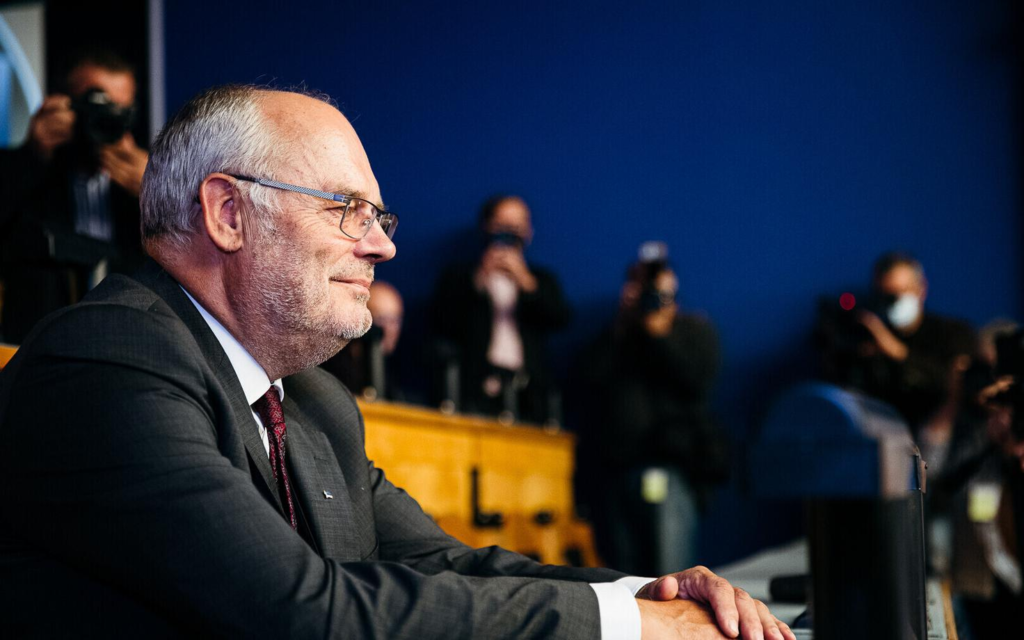
Estonia’s parliamentary parties still can’t agree on whether or not President Alar Karis should run for a 2nd term. Even though Karis said he wouldn’t run for reelection, the parties still need to agree on a candidate. To win the presidency, a party needs to get 2/3 of the votes in the 101-seat Riigikogu.
With elections coming up in 2027, parties are under pressure to come to an agreement quickly. As the presidential election cycle is set to start in August, talks have become more heated. Leaders know that working together will be necessary for any nomination to be successful.
Source: ERR News/Website
Some Coalition and Opposition Parties Are Open to Supporting Karis
Leaders of the Center Party said that Karis is still in line with what the public wants, which could make a 2nd term possible. They say that a lot of people like the way he leads. This point of view makes Karis a stabilizing force in Estonia’s political scene.
Also, representatives from the Reform Party and the Social Democratic Party have not ruled out backing Karis. They stress that candidate evaluation should be based on more than just one thing. These talks show that there is still uncertainty as political groups change their positions ahead of the next election.
Isamaa Expresses Cautious Openness Despite Recent Criticism
Urmas Reinsalu, the leader of Isamaa, said that the party does not rule out the possibility of Karis continuing. He said that Karis has been under political pressure but still has the trust of the public. This trust is still an important thing to think about when looking at possible candidates.
Reinsalu said that disagreements within the party have hurt Karis’ public image. He did, however, say that trust in the presidency is still important. So, Isamaa is keeping its options open while keeping an eye on how politics are changing.
Recommended Article: Sara Duterte Declares 2028 Presidential Bid Amid Turmoil
EKRE Remains Firmly Opposed to Granting Karis Another Term
The Conservative People’s Party of Estonia said again that they strongly oppose Karis’ continuation. Martin Helme, the party’s leader, said that Karis’s 5-year term was not useful. He said that Karis’s previous positions are still not in line with EKRE’s goals.
EKRE didn’t support Karis during his first election in 2021, and they still don’t support him now. Their position shows that there are bigger ideological differences about what the president should do. This opposition makes it harder to get the necessary legislative majority.
Presidential Election Procedures Updated to Improve Transparency
The Riigikogu recently approved changes to how presidential candidates are chosen. Candidates must now be sent in 1 week earlier than they used to be. Also, nominators must give a speech before the election explaining why the candidate is qualified.
Speaker Lauri Hussar said that the goal of these changes is to make things more clear and open. Clearer requirements help the public understand the selection process better. Even though some groups were against the changes, they still got 64 votes in favor.
Riigikogu Leaders Prepare for Joint Candidate Discussions Soon
The council of elders met for a long time to plan the details of the upcoming election. The speaker’s deputies and the leaders of each party’s faction are all members. Their talks are mostly about setting deadlines and reviewing the steps needed to find a common candidate.
Reports say that a few names are going around, but people are still being careful. The ability to reach a consensus will have a big effect on the results of the election. Historical instances illustrate the difficulties in achieving extensive parliamentary consensus.
Past Elections Show Difficulty in Building Cross Party Consensus
After 2 rounds of voting, Karis was elected president in 2021 without any opposition. This is different from the long process that led to Kersti Kaljulaid’s election in 2016. At first, neither the Riigikogu nor the electoral college could agree on that cycle.
In the end, the council of elders chose Kaljulaid as a compromise candidate. These historical examples show that Estonia’s indirect presidential system has had the same problems over and over again. To avoid a long electoral deadlock, parties must therefore navigate complicated negotiations.