


Customs Officials Begin Collecting New Tariffs Under Presidential Proclamation
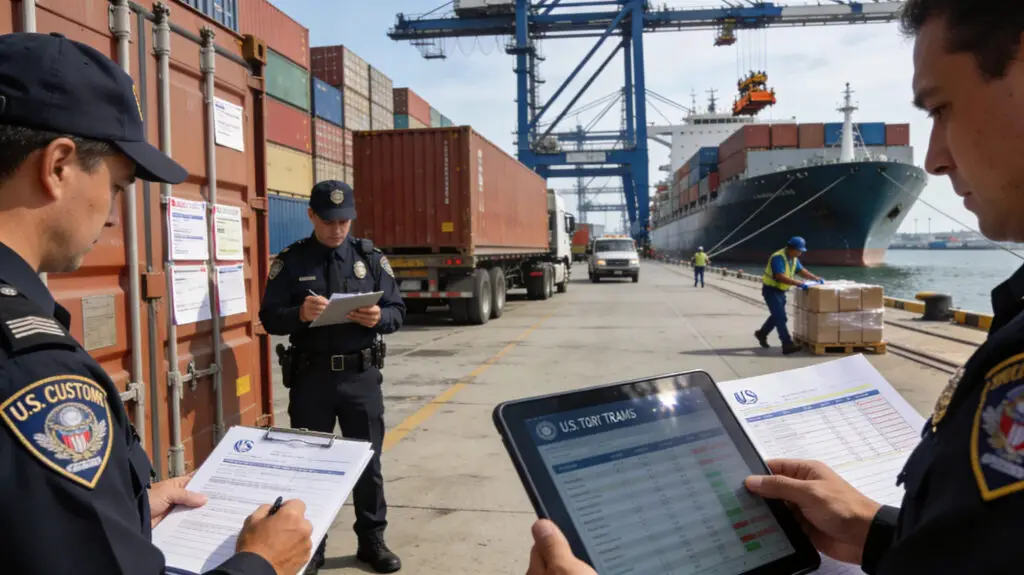
The United States Customs and Border Protection has started to charge a 10% tax on all imports that are not exempt. Officials made it clear in a formal statement that the duties go into effect right away because of a new presidential proclamation. It is said that collection started at midnight as agencies changed their procedures to follow the new order.
There had been days of political uncertainty about tariff policy after a Supreme Court ruling before the announcement. Customs officials stressed that the guidance makes things easier for importers who have to deal with trade conditions that change quickly. The directive is a big change in policy that will have an effect on exporters around the world and supply chains in the US.
Source: ExportUSA INC/Website
Implemented Tariff Lower Than President Trump’s Previously Announced 15%
President Trump had said in public that tariffs would go up to 15% soon after saying they would go up to 10%. According to current federal records, that higher number has not yet been officially put into effect. Analysts say the difference shows that there is still a lot of uncertainty about how trade policy is changing.
Officials in the government have said that the 15% tariff may still go into effect at a later date. But as of now, there has been no official announcement confirming that rate. Businesses are still being careful as they get ready for possible price hikes in the coming months.
Supreme Court Decision Invalidated Previous Emergency Based Tariffs Imposed Earlier
The Supreme Court ruled 6 to 3 that Trump went too far when he used emergency powers under a law from 1977. The tariffs were aimed at certain countries and ranged from 10% to 50% depending on the type of product. The ruling meant that the earlier measures were immediately canceled in all affected sectors.
After the decision, the administration looked for a different legal basis for the new tariff actions. The decision led to bigger discussions about the president’s power to make trade deals and Congress’s role in overseeing them. Legal experts think that there will be more problems as policy moves to new legal frameworks.
Recommended Article: Trump Warns GOP Rebels After Canada Tariff Vote
New Duties Under Section 122 Of The Trade Act Of 1974
The new 10% tax was allowed by Trump under Section 122 of the Trade Act of 1974. This clause allows for temporary tariffs to deal with big balance of payments deficits and other international financial problems. The authority can only give these duties for 150 days, unless Congress votes to extend them.
Reuters said that the government sees this law as a safe option after the court ruling. Importers must now follow tariff assessments while they wait for possible legislative action. Economists think that if the measure is in place for a longer time, it could have a big effect on trade flows.
White House Indicates Higher Tariff May Be Introduced Though Not Confirmed Publicly
A White House official told the Financial Times that the government still plans to raise the tariff to 15%. But there has not been an official statement or announcement confirming that change. There is still uncertainty as industry groups try to figure out how the changes might affect their finances.
The rollout of the tariff has already raised questions for retailers, manufacturers, and agricultural importers across the country. A lot of businesses are changing their supply chain plans to deal with costs that are hard to predict. People who watch the market say that the lack of clarity could make it more unstable all year.
Political Reactions Intensify As Republicans And Democrats Assess Economic Consequences
Supporters of the Republican Party say that tariffs make the country stronger in negotiations and protect American businesses. Some people, on the other hand, say that tariffs are like taxes on imported goods that make prices go up for consumers. Policymakers on both sides are still looking at how these changes will affect inflation, the trade balance, and the competitiveness of businesses.
The Supreme Court’s decision made things even more complicated for politics because Trump publicly criticized it. He said that the court gave the government more power in other ways, even though it threw out the old tariffs. His words suggest that trade actions could keep getting worse, depending on how Congress responds.
Businesses Prepare For Short Term Volatility As Broader Trade Policy Remains Unsettled
Importers are already having to deal with more paperwork and higher costs to follow the rules because of the 10% tariff. Experts in supply chains say that sudden changes in policy could make logistics planning much harder. Companies are now keeping a close eye on what Congress is doing in case they need to make changes or add to their work.
Economists say that uncertainty can hurt business confidence even before higher tariffs go into effect. Companies need to make backup plans for what to do if rates go up by 15% later this year. The changing situation shows how complicated the intersection of legal decisions, economic policy, and political strategy can be.