

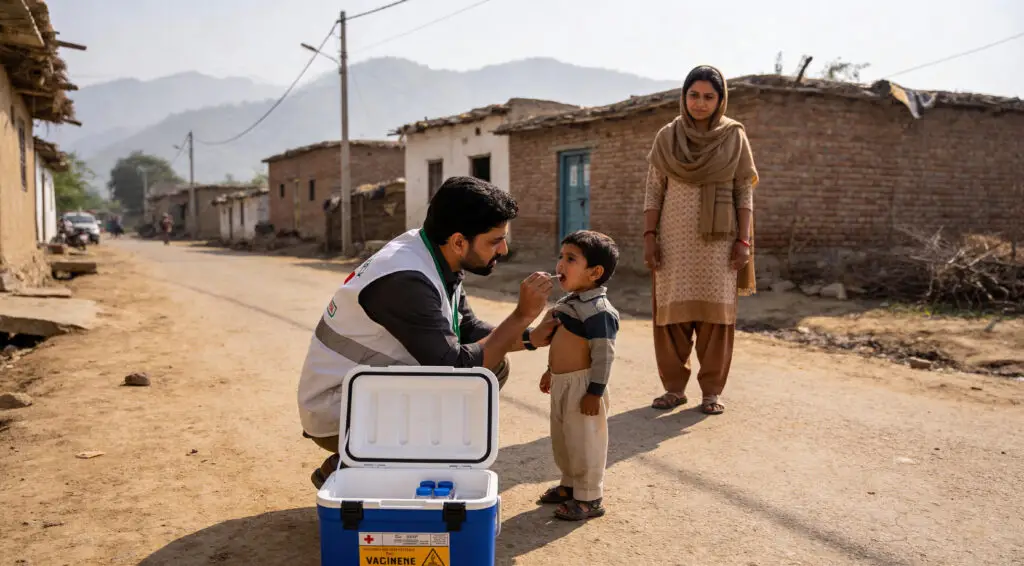
Wild Poliovirus Transmission Is Still Common
The World Health Organization said that polio is still a public health emergency around the world. Its most recent report from the Executive Board pointed out that progress toward eradication goals is still very slow. Even though the number of cases is going down, transmission is still happening in areas where it is common.
There were 38 cases of wild poliovirus type 1 around the world by October 22, 2025. This number went down from 62 cases in the same time period in 2024. There were confirmed infections in both Afghanistan and Pakistan.
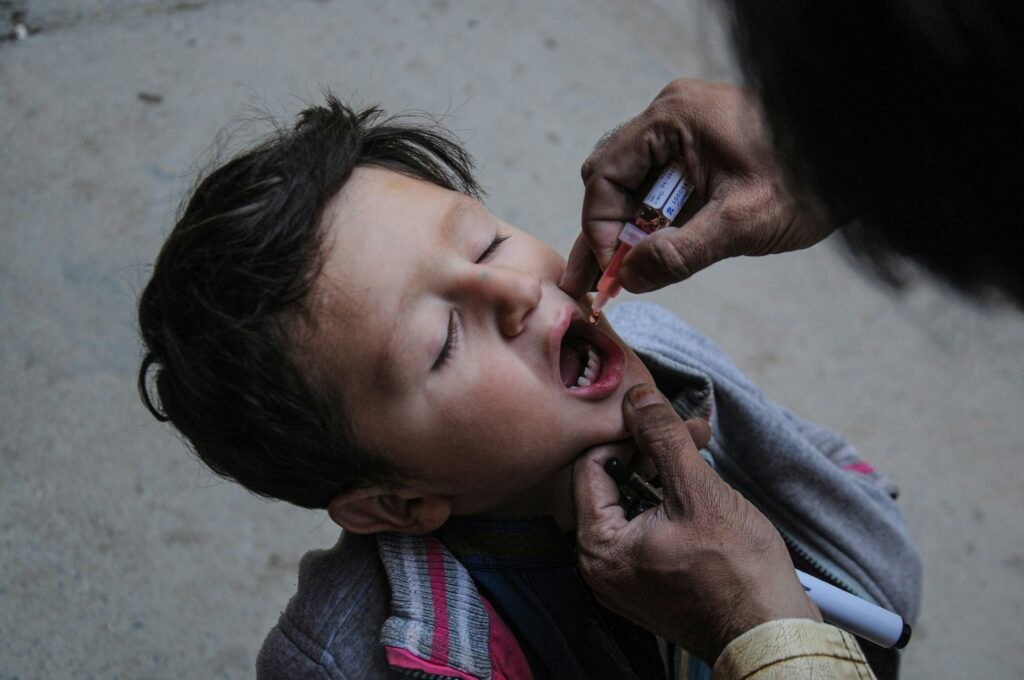
Source: Health Policy Watch/Website
Endemic Reservoirs Keep the Spread Across Borders Going
Wild poliovirus type 1 stays in small geographic areas in both countries. Southern Afghanistan and Khyber Pakhtunkhwa in Pakistan are still the main places where the disease spreads. These areas have trouble with operations and getting to places.
Health officials are still working to improve coordination between the 2 countries across borders. Virus corridors get more attention from health authorities and vaccinations. Risk categorization models help find people who move around a lot, like migrants.
Pakistan And Afghanistan Intensify Immunization Efforts
Afghanistan changed how it talked to people and how it worked to get more people vaccinated. In early 2025, supplementary campaigns grew a lot in the eastern provinces. Vaccination and transit posts between sites help outreach in the southern districts.
Pakistan put the Polio National Emergency Action Plan 2024–2025 into action. The phased approach aims to bring back the emergency posture and fill in operational gaps. But there are still differences between provinces in high-risk urban areas.
Recommended Article: WHO Opens Cyprus Office to Boost Regional Health Security
Vaccine-Derived Outbreaks Continue Globally
The circulating vaccine-derived poliovirus is still a big problem around the world, even in countries where it is common. As of the end of October 2025, there had been 151 type 2 cases. These infections happened in 13 countries where routine coverage was poor.
There are still outbreaks in northern Nigeria and the Lake Chad Basin. Transmission is still going on in some parts of Somalia, Ethiopia, and Yemen. Low vaccination rates let weakened strains of the vaccine spread.
Environmental Surveillance Signals Silent Transmission
Environmental sampling keeps finding poliovirus in places where it shouldn’t be spreading clinically. In some places, these detections happen even when transmission is low. Silent circulation makes it harder to completely get rid of the problem.
Recent environmental discoveries have surfaced in Papua New Guinea and certain regions of Europe. Traveling between countries and moving people from 1 country to another increases the risks of being exposed across borders. Surveillance gaps may cause delays in finding problems in places where people are at risk.
New Vaccines And Integrated Strategies Expand
New vaccine technologies are being used more and more in eradication strategies to make immunity stronger. The use of the new oral polio vaccine type 2 is growing, which helps with outbreak response. Combination vaccines add protection against polio to regular immunization schedules.
Gavi helped Senegal and Mauritania start using hexavalent vaccines. Integrated immunization efforts focus on children who haven’t had any vaccines or have only had a few. Working together with partners around the world makes primary healthcare systems stronger.
Funding Shortages and Emergencies Put Progress at Risk
Humanitarian crises are still making it hard to get vaccinations to people in affected areas. Almost half of the world’s humanitarian burden comes from the Eastern Mediterranean Region. Vaccination campaigns and healthcare infrastructure are affected by ongoing wars.
Donors promised $4.7 billion of the $6.9 billion needed by 2029. A $2.2 billion shortfall could stop the progress of sustained eradication. WHO stressed that political will and money are still very important for making the world polio-free.