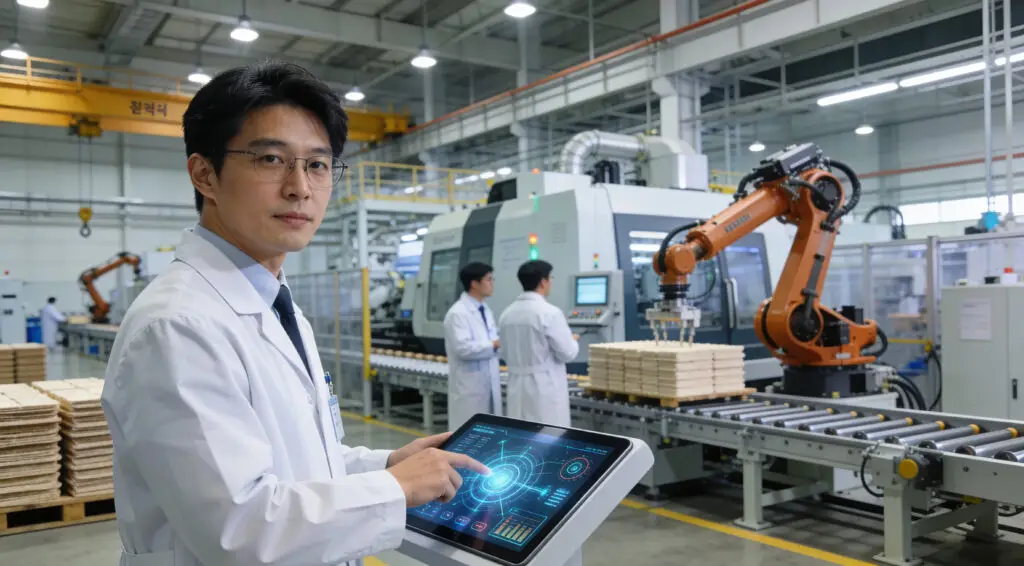
AI Slop Surge Makes Korea the Best in the World
South Korea is now the biggest buyer of AI slop in the world. The term refers to content that is not very good and is made by AI systems. According to industry reports, Korean YouTube channels got a total of 8.45 billion views.
That number is higher than Pakistan’s 5.3 billion and the United States’ 3.4 billion. Analysts say the rise is due to strong digital engagement patterns in the US. The phenomenon shows that both production and consumption are speeding up at the same time.
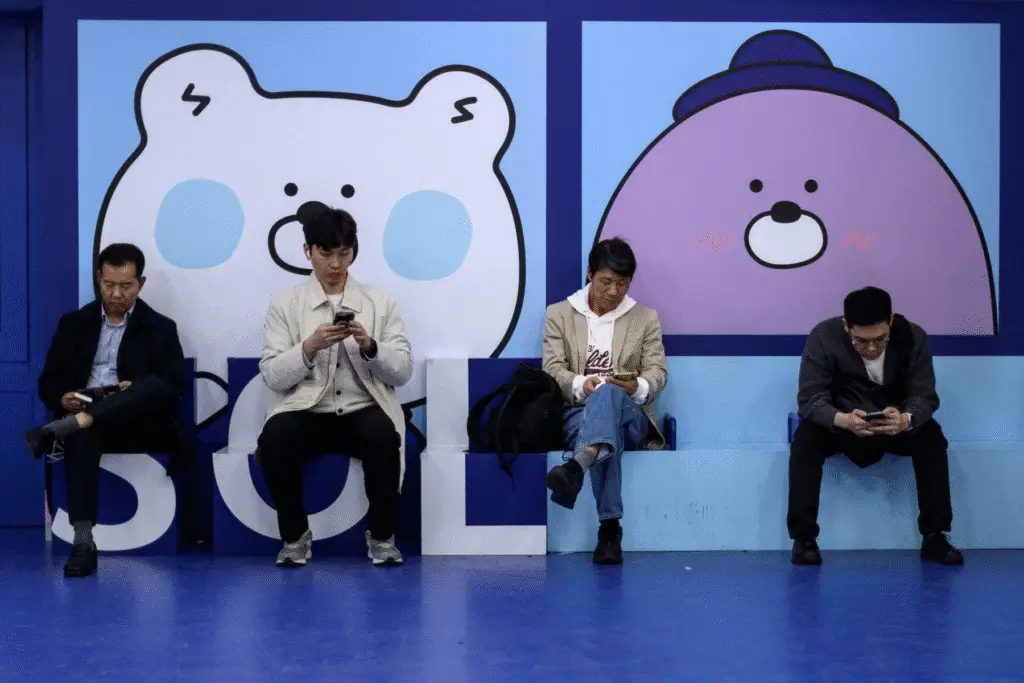
Source: Asia News Network/Website
Rapid AI Adoption Fuels Content Boom
Recent data shows that Korea is using generative AI a lot more than before. The country moved up 7 places in global adoption rankings in just 6 months. In 2025, the percentage of people who used it went up from 25.9% to 30.7%.
The 4.8 percentage-point rise was the biggest increase ever seen around the world. Korea went from 25th to 18th place in the world. Rapid integration is directly linked to the growth of AI-generated content.
Cultural Urgency Influences Digital Conduct
Experts say that Korea’s history of being able to adapt quickly is what makes people adopt things quickly. Societal changes have necessitated continual transformation since the 1997 financial crisis. A fundamental belief endures that procrastinated adaptation jeopardizes progress.
Researchers contend that this urgency affects technology consumption patterns. When norms shift, people react swiftly and collectively. In this setting, digital experimentation becomes normal.
Recommended Article: Google Project Genie Promises Full Games Generated From Text
Infrastructure Makes It Possible for Many People to Take Part
Korea’s digital dominance is based on high-speed internet access. The country has a lot of 5G smartphones and a very good network. High literacy rates also make it easier to get involved.
Dense cities make it easier to share content quickly. People still use their smartphones a lot every day. These conditions make it easy for algorithm-driven media consumption to grow quickly.
Discussion About Quality and Risks
Some experts say that AI slop could take over content ecosystems. Recommendation systems can hide higher-value content when there are a lot of them. People might have a hard time finding new or important work.
People are also worried about fraud and misuse. Automated workflows make it easy to upload a lot of content with little supervision. Bad people could use these kinds of systems to trick people.
Government Responds With Regulation
New rules for AI went into effect on January 22. The Ministry of Science and ICT made it necessary to put labels on things. There must now be clear watermarks on audio, images, and videos made by AI.
The Framework Act’s goal is to build trust in the public. Service providers must be open about where synthetic materials come from. Policymakers hope that labeling will strike a balance between innovation and responsibility.
Long-Term Impact Remains Uncertain
Some analysts say that worries about long-term cultural damage are overblown. They say that AI slop is mostly useless and repetitive. Such content seldom attains lasting societal impact.
But it is still important to keep an eye on things. Over time, market forces may naturally raise quality. The way Korea uses AI will probably affect how people around the world use digital media.