


Rafah Reopening Revives Fragile Ceasefire
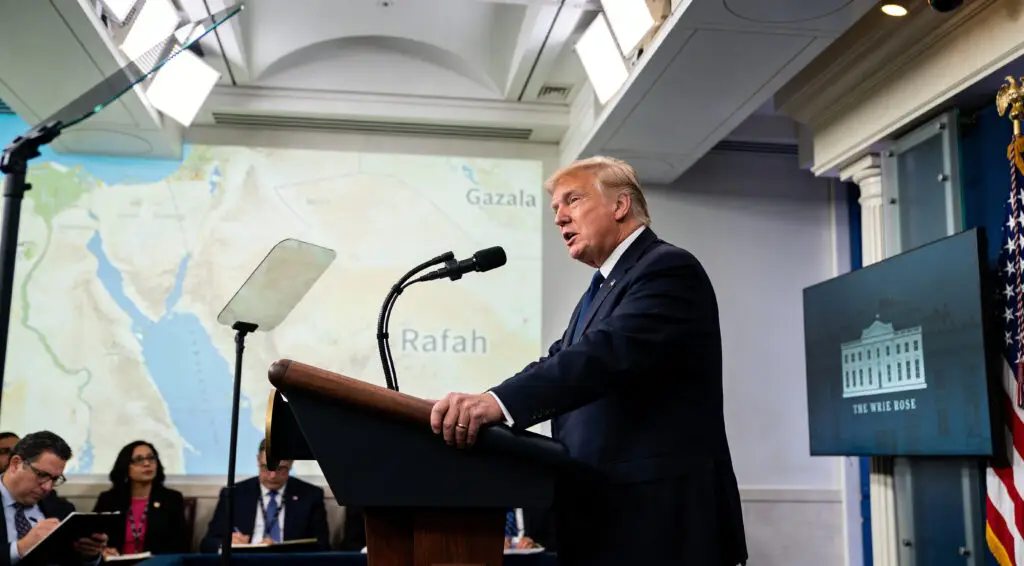
After the Rafah crossing opened again, Donald Trump’s campaign gained new energy. The reopening was a step forward in carrying out phase 1 of the truce. It came after months of limited movement and pressure from humanitarian groups.
But fighting hasn’t completely stopped since the agreement. Since October 10, Gaza health officials say that at least 488 Palestinians have died. Israeli officials also said that their soldiers were hurt during the fighting.
Source: Al Jazeera/Website
Core Elements Of Trump’s 20-Point Plan
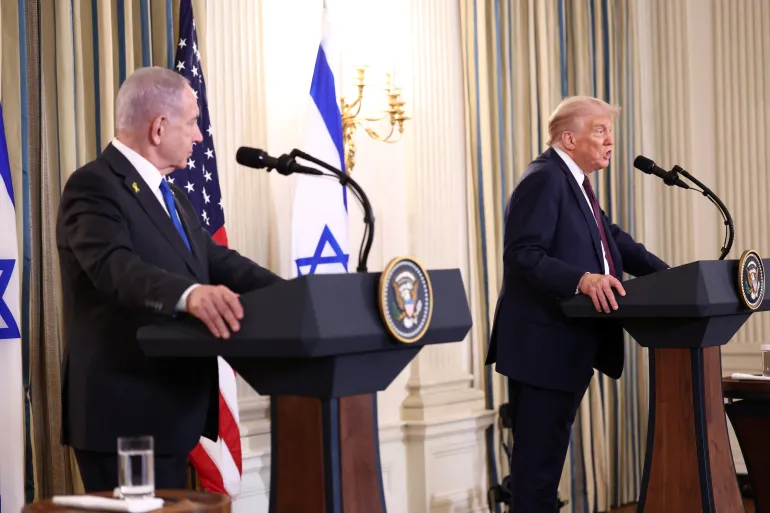
In September, Trump released a 20-point plan for how to carry out the changes in stages. The plan says that Hamas should give up its weapons and leave power. It also needs the withdrawal of Israeli troops and international oversight of the rebuilding.
A resolution from the United Nations Security Council backed the framework. It gives the go-ahead for a transitional government and a force to keep things stable. But there is still no full agreement between Israel and Hamas.
Current Conditions Inside Gaza
Israeli troops have pulled back from some areas during phase 1. Israel still controls about 53% of Gaza’s land. A lot of land near borders is still being torn down and controlled by the military.
Almost 2 million people live in small coastal areas. A lot of them live in tents or damaged buildings. Aid groups say that access to supplies is still below what was agreed upon.
Recommended Article: Why Israel Recognizes Somaliland and Seeks Red Sea Leverage
Disarmament Remains Central Obstacle
Phase 2 calls for the complete demilitarization of Gaza. Hamas is expected to give up its stockpiles of rockets and light weapons. Israeli officials say that disarmament is a must for the ceasefire to continue.
It is said that Hamas leaders agreed to talk about weapons issues with mediators. But they say that no detailed plan for disarmament was given. If talks break down, Israeli officials say there will be more fighting.
The Board of Peace and Governance
Washington started phase 2 by putting together a technocratic committee. The body is supposed to run Gaza while it is going through a change. A foreign-led Board of Peace, with Trump as its chair, will be in charge of oversight.
Hamas wants its 10,000 police officers to be part of the government. Israel is very against combining security forces with militants. This disagreement makes it harder to set up a unified administration.
Uncertain about the International Stabilization Force
Plans call for sending an international stabilization force into Gaza. But the composition, mandate, and authority are still not clear. Negotiations between diplomats are still going on, but operational frameworks are not yet set.
The Palestinian Authority may take on administrative duties in the future. But the changes that need to be made have not been made clear. Uncertainty about the structure of governance slows down the planning of a full transition.
Rebuilding and Long-Term Viability
There is still no agreement on how to pay for rebuilding Gaza. The proposed plans call for big redevelopment projects and upgrades to infrastructure. It hasn’t been made clear what the property rights and compensation systems are.
Both Israelis and Palestinians are unsure if full implementation is possible. People’s fears of a long-term frozen conflict grow when they don’t trust each other. In the next few months, we will find out if phase 2 moves forward or falls apart.