


PM Stresses North Africa as a Key Economic Link
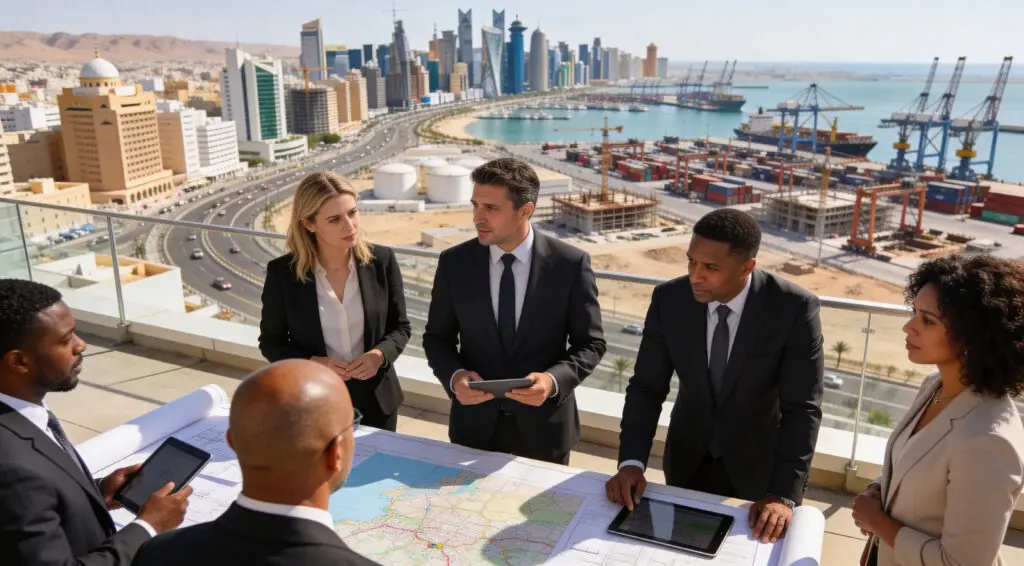
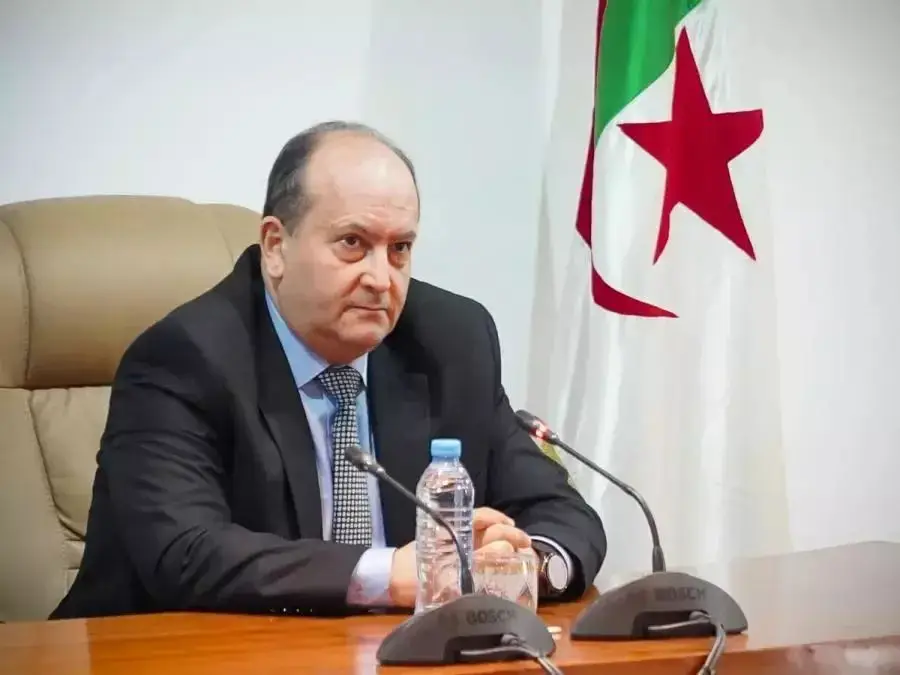
Sifi Ghrieb, the Prime Minister of Algeria, said that North Africa has a lot of economic potential that could change how countries in the region work together. During a high-level conference, he called the area a “strategic connector” between the economies of Europe, Africa, and the Mediterranean.
Ghrieb said in Algiers that North Africa is a natural hub for trade and investment because of its geography. Leaders at the event all agreed that it was important to use this advantage to make partnerships across continents stronger.
Source: Horizons/Website
Conference Focuses On Integration And Shared Prosperity
The conference “North Africa: Connecting Continents and Enhancing Opportunities” brought together policymakers, financial leaders, and international organizations. Its theme focused on hope for the region’s future and ways to make the economy more connected.
Officials stressed that working together is key to unlocking growth and solving common development problems in neighboring economies. Participants talked about frameworks that would help trade grow, infrastructure grow, and financial cooperation get stronger.
How the Past Affects Our Current Economic Vision
Ghrieb remembered that North Africa has always been a place where people, goods, and ideas from different cultures could meet and trade. He said that modern strategies should build on this legacy while also taking into account how things are now in the world.
The prime minister told everyone involved to keep the region’s long history of openness while updating institutions to stay competitive on a global scale. He said that these kinds of efforts would help North Africa deal with economic uncertainty and changes in technology.
Recommended Article: Japan and UNESCO Launch Skills Program for Palestinian Aid
Strengthening Partnerships With Global Financial Institutions
One of the most important parts of the event was honoring the partnership between the Bank of Algeria and the International Monetary Fund. Ghrieb praised the partnership for helping to keep the economy stable and for supporting long-term economic growth projects.
Officials think that working with multilateral organizations can help policies work together better and bring in long-term investments in regional markets. Better financial management was said to be a key part of building resilience against shocks to the global economy.
Senior Leaders Show Wide International Interest
The meeting brought together high-ranking government officials and well-known global business leaders, showing that the region is getting a lot of international attention. Kristalina Georgieva, the Managing Director of the IMF, and Jihad Azour, the head of the regional department, were there.
Italy’s Minister of Environment and Energy Security, Gilberto Pichetto Fratin, was also there, which shows that Europe is interested in North Africa’s economic future. People who watch this see it as proof that diplomatic and business ties are getting stronger.
Infrastructure And Trade Seen As Growth Catalysts
Experts at the conference said that investing in infrastructure is very important for speeding up connections across North Africa and beyond. Better transport corridors and logistics networks could make the region much more competitive in global supply chains.
People also talked about trade facilitation measures as ways to help the private sector grow and the economy produce a wider range of goods and services. More and more, policymakers see integration as a way to achieve long-term prosperity instead of just national strategies.
Regional Integration Positioned As Future Priority
Ghrieb said that it is still important to strengthen regional identity in order to deal with the economic and geopolitical problems that North Africa is facing. He called for coordinated reforms that would encourage investment, boost productivity, and support growth that includes everyone.
As competition around the world gets tougher, it looks like leaders are set on making North Africa a busy economic gateway. The conference ultimately showed that there was more support for working together and having a common vision for long-term growth.