Syria Puts Rebuilding First After Years of Destruction
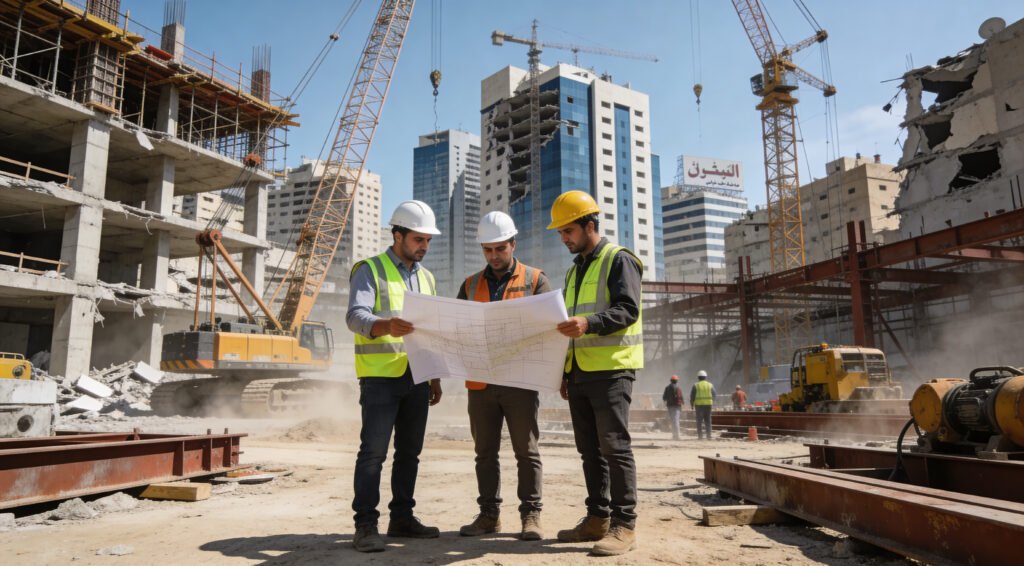
Syria is preparing to launch a large-scale economic development program aimed at rebuilding homes, transportation networks, and public services damaged during years of conflict. National recovery has now become an urgent priority.
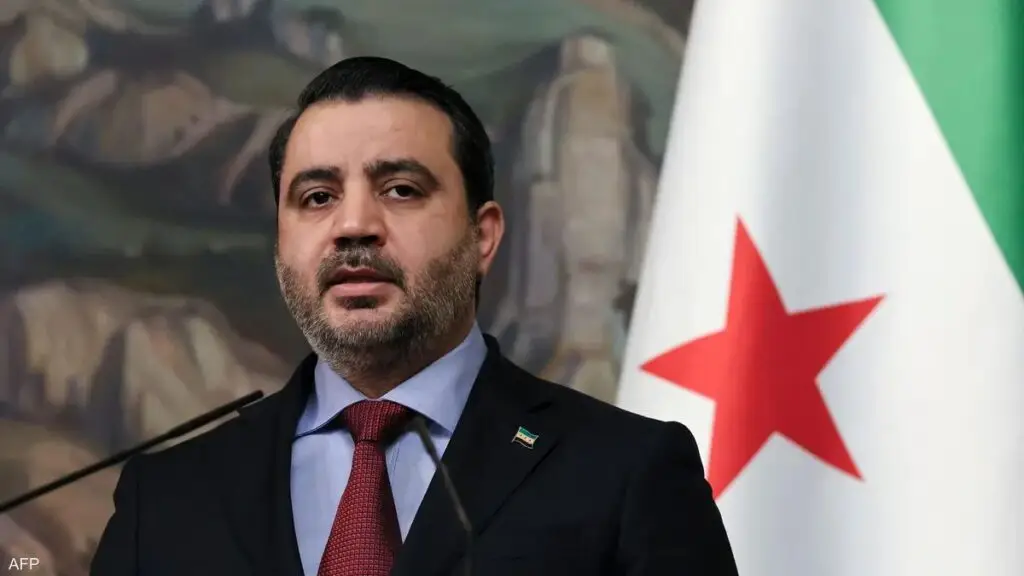
Foreign Minister Asaad al-Shibani stated that reconstruction sits at the center of government policy, emphasizing that millions of citizens remain displaced. Restoring communities is widely seen as essential for reviving economic activity and long-term stability.
Source: Enab Baladi/Website
Millions Of Homes Destroyed Create Enormous Housing Gap
Officials estimate that roughly four million homes were destroyed during the war, creating a severe housing shortage across both urban and rural areas. Accelerating residential construction has therefore become a critical policy focus.
Minister of Public Works Mustafa Abdul Razzaq noted that up to four million people currently live in informal settlements, underscoring the scale of the crisis. Structural deficits continue to strain already limited resources.
Investment Agreements Show Early Signs of Financial Growth
Damascus reports securing nearly $60 billion through memorandums of understanding and previously signed contracts with international partners. These agreements signal the emergence of new financing channels.
Authorities believe the funding could fast-track infrastructure development while generating employment opportunities that encourage private-sector participation. Maintaining investor confidence remains essential to sustaining momentum.
Recommended Article: Türkiye Jewelry Industry Struggles As Gold Prices Surge
Reconstruction Costs Vary Widely Across Estimates
The World Bank estimates Syria’s reconstruction costs at approximately $216 billion, while Syrian officials place the figure between $600 billion and $900 billion. The disparity highlights ongoing uncertainty.
Such wide-ranging projections complicate fiscal planning and demonstrate the immense capital required to restore national capacity. Long-term international support will likely be necessary.
Aging Infrastructure And Logistics Pose Major Challenges
Government agencies must contend with outdated machinery, deteriorating facilities, and decades-old technologies that slow rebuilding efforts. Modernization is widely viewed as unavoidable.
Current strategies emphasize workforce development, new hiring initiatives, and technological upgrades backed by financial and logistical assistance. Capacity-building efforts are steadily advancing.
Relations With Israel Remain Tense Amid Negotiations
Al-Shibani described relations with Israel as strained, accusing the country of exploiting Syria’s transitional phase while reaffirming Damascus’ willingness to pursue de-escalation. Diplomatic progress remains gradual.
Syria maintains that Israeli withdrawal from territories occupied since December 2024 is necessary for lasting stability. Security considerations dominate ongoing discussions.
International Talks Seek Framework For Regional Stability
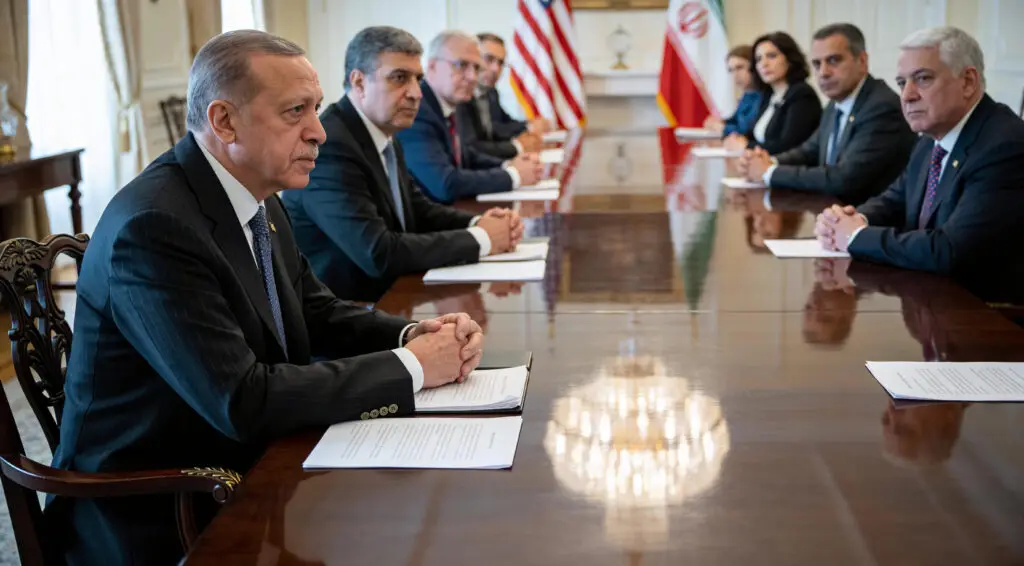
Recent negotiations in Paris reportedly produced constructive dialogue and tentative movement toward a broader security arrangement, although no follow-up meetings have yet been confirmed. Progress remains uncertain.
Sources indicate that Syria, Israel, and the United States explored creating a joint coordination mechanism to prevent escalation and improve communication. Strategic cooperation appears to be evolving.
Government Denies Claims of Violence Against Minorities
Responding to international criticism, al-Shibani rejected allegations that the government was responsible for violence against minority groups, attributing incidents to unlawful armed factions rather than sectarian policy.
He further emphasized minority participation in public institutions and said national policies aim to safeguard equal rights for all citizens. Officials continue to stress inclusivity.
Refugee Returns Point to Gradual Stabilization
Syrian authorities report that approximately 1.5 million refugees returned over the past year, signaling cautious optimism about improving conditions. Migration patterns are beginning to shift.
Most returnees have come from neighboring countries such as Turkey, Lebanon, and Jordan, while fewer arrivals have been recorded from Europe. Regional dynamics continue to shape resettlement trends.
Syria Positions Itself As Emerging Investment Destination
Al-Shibani described modern Syria as an emerging market offering significant investment potential despite persistent risks. Officials are working to project a narrative of opportunity.
He added that preserving social cohesion and avoiding political manipulation are crucial for attracting capital and sustaining economic growth. Stability remains the cornerstone of the country’s recovery strategy.