




Bitcoin Breaks $60K Triggering Fearful Market Sentiment
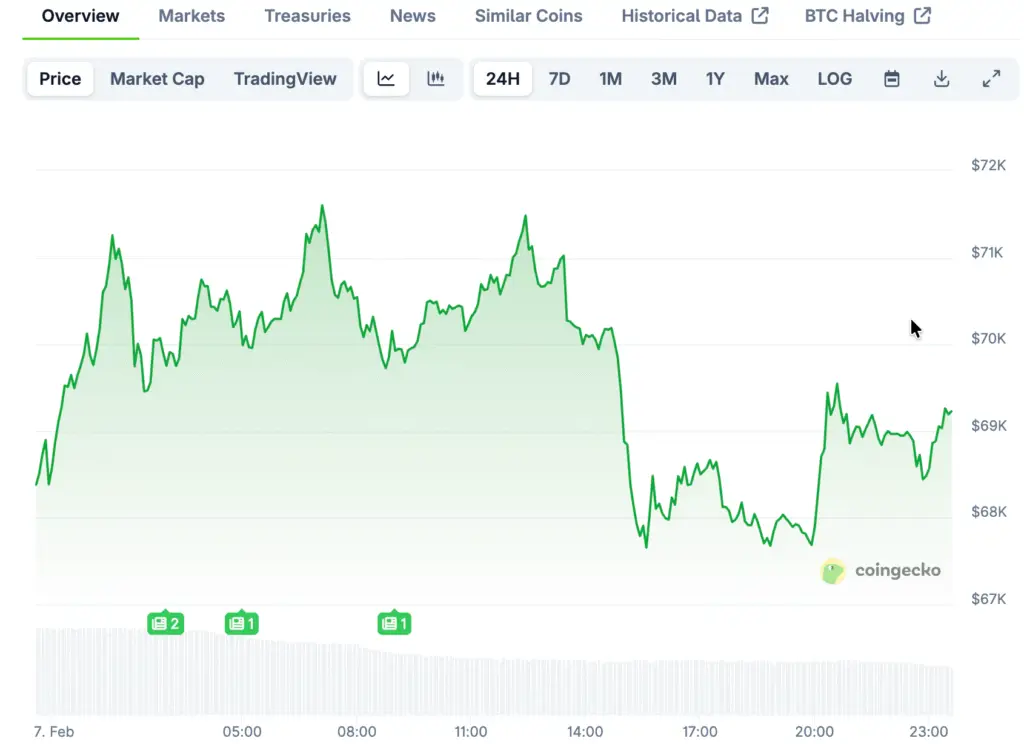
In early February, Bitcoin fell below $60,000, making losses worse and pushing sentiment gauges into the “extreme fear” range. The drop was the lowest it had been since 24, which surprised traders and made them less willing to take risks in the short term across all markets. Liquidations went up as the momentum turned bearish, which made things more volatile and tested the confidence of leveraged traders around the world today.
After the drop, Bitcoin settled around $60,000, which was a previous cycle peak that might act as technical support. Buyers carefully defended the area, which caused a small bounce of relief but did not prove that the trend was going to change. Traders are now looking for follow-through signals to see if support holds or fails soon.
Fidelity Sees $65K As Attractive Long Term Entry Zone
Fidelity’s macro director Jurrien Timmer said that $65,000 is still a good price to buy Bitcoin. He said that pullbacks often happen when there is macroeconomic uncertainty, and in the past, they have been good chances for long-term investors who are willing to wait. Timmer said that disciplined sizing is important as long as volatility stays high and liquidity conditions change around the world over time.
Fidelity’s framework focuses on adoption metrics, valuation bands, and trend context instead of short-term price noise. When you look at it that way, prices below $65,000 are better than prices in previous cycles. This view is different from being cautious in the short term, but it fits with global strategies for building up over several years.
ETF Flows Cool As Capital Rotates Toward Safe Havens
Last October, Bitcoin ETF inflows reached their highest point, but they have since dropped, which shows that demand has been lower during recent drawdowns. At the same time, gold and silver ETFs saw new inflows as investors looked for stability in an uncertain macro environment. The difference shows that during times of global macroeconomic instability, people are moving away from risk and toward traditional hedges.
Moderating ETF flows doesn’t mean the market will crash, but momentum hasn’t fully recovered yet. Before saying that the downside risks are gone in all crypto markets around the world, analysts keep an eye on sustained inflows as proof. Until then, metals may keep taking in defensive allocations as long as there is uncertainty about policy and fears of slow growth.
Recommended Article: Bitcoin Hits 2026 Low as Risk Assets Unwind Globally
Analysts See Bearish Signs In Options And Positioning
After the bounce, options markets showed that traders preferred protective puts to calls, even though volatility was high. Professional desks around the world today were more cautious than optimistic, according to skew and open interest. Before the macro data and policy become clear, prices often move around a lot when people are in this position.
Some strategists say that the downturn could continue without a clear capitulation event that everyone can see. They say that ETF flows have not clearly turned around, which would show that demand is coming back in all markets. So, caution is the main thing, even though institutions with long-term views around the world have said things that support the longer term.
Macro Drivers Weigh As Policy And Leadership Expectations Shift
As markets got ready for changes in leadership at the Federal Reserve later this year, macro uncertainty grew. Risky assets reacted in a big way, with stocks and cryptocurrencies both moving up and down during data surprises and rate speculation. When global financial conditions are tight, these kinds of moves across assets can put pressure on Bitcoin.
In the past, policy inflection points have been times when corrections are volatile but full of opportunities for patient investors around the world. Timing is still hard, which makes it even more important to be careful with gradual entries and risk management in the face of changing macro signals today. Investors weigh their patience against their readiness to act if things settle down across portfolios using set rules and limits.
Short Term Uncertainty Versus Long Term Adoption Narrative
Even though adoption rates are going up around the world for wallets, near-term sentiment is still weak. Both institutional and retail investors are betting on longer-term theses based on network activity and infrastructure progress. This tension is what allocators are arguing about right now as they try to figure out how to deal with volatility cycles and macro crosscurrents.
Supporters say that downturns bring new life to markets by resetting expectations and leverage after long periods of speculation. Skeptics say that catalysts aren’t enough to keep the market going up until liquidity improves and demand grows. Both points of view are valid while prices continue to change in an environment of unclear policies and changing investor psychology.
Important Things Investors Should Know About Bitcoin’s Next Move
Fidelity thinks that levels below $65,000 could be good places for long-term investors to get in. However, sentiment indicators and flows suggest that patience is still needed because of the ongoing uncertainty and volatility in the economy. When making decisions about diversified portfolios, clear rules and limits should be based on risk management and sizing.
The next move in Bitcoin’s direction will depend on how clear the macroeconomic picture is and whether demand stays strong across the board. Markets may stay in a range until signals line up, with short bursts of volatility around important data releases. Investors should be ready for a number of things to happen, such as support tests, breakdowns, rebounds, and trend resumptions.