



Why People Turn to AI for Emotional Listening Support
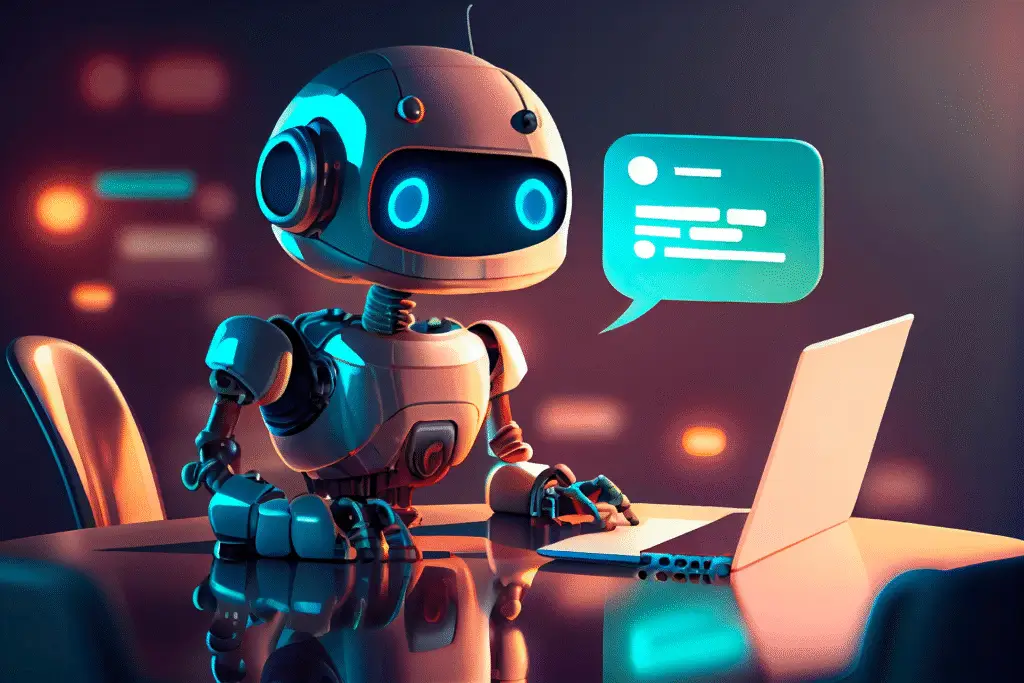
Many people use AI chatbots because they can talk to them without being judged during emotionally difficult conversations. This consistent responsiveness lets people think deeply without worrying about being judged or getting defensive from listeners. People feel safe psychologically, which makes them more open when they are vulnerable.
AI systems never rush conversations or force their own opinions on people, unlike humans. This neutrality gives people the freedom to deal with their conflicting feelings at their own pace. The experience shows how rare it is for people to listen without judging each other in everyday life.
Source: Almawave/Website
Uninterrupted Attention as a Core Listening Advantage
AI chatbots never interrupt people, so their thoughts can flow naturally without feeling like they have to finish quickly. People often interrupt without meaning to because they are uncomfortable, impatient, or want to seem helpful. These interruptions often make it harder to process emotions and make people feel less empathetic.
AI, on the other hand, stays quiet until a response is appropriate, which makes you feel like you have been fully heard. This behavior shows that holding back can make emotional connections stronger. People can learn to be disciplined by being patient and not interrupting too soon.
How Emotional Recognition Shapes Feeling Understood
Big language models can pick up on emotional cues and respond with language patterns that make people feel good about themselves. These systems don’t actually feel emotions, but they do a good job of pretending to recognize things. This reflection makes users feel like they are being heard instead of ignored or misunderstood.
Studies show that people often think AI responses are more caring than human ones. This happens because AI shows emotional depth without being defensive. Instead of trying to solve problems or downplay their feelings right away, people can learn to recognize them.
Recommended Article: APAC Healthcare Enters New AI Adoption Phase in 2026
Holding Space for Hard Emotions Without Trying to Fix Them
When people are uncomfortable, they often try to help by giving them comfort or solutions too quickly. This method may seem good, but it can make the speaker’s feelings seem less real. Instead of fixing things too soon, AI lets problems stay without being fixed.
This patience lets people safely deal with their grief, confusion, or anger. Being able to feel bad emotions often makes them less strong. People can practice this by putting being present ahead of finding a solution in conversations that are full of strong feelings.
The Power of Nonjudgmental Presence in Listening
Even if it’s not obvious, judgment can stop people from being honest about their feelings. People give evaluations without even thinking about it through their tone of voice, facial expressions, or direct advice. These signals can make speakers feel like they are in danger or that they are not being understood.
AI provides anonymity and neutrality, fostering psychological safety for self-disclosure. This lack of judgment makes people more open and honest about their feelings. People who listen can get better by consciously putting their assumptions on hold and staying curious and focused.
Pattern Recognition Helps Build Meaningful Narratives
AI is great at finding emotional and thematic patterns in long conversations. This feature helps users see problems that keep coming up or emotional themes that haven’t been resolved. Seeing these patterns helps you understand yourself better and gain insight.
People can also reflect on bigger emotional stories instead of just small details. Doing this helps speakers make sense of their experiences. Making sense of things through stories helps with emotional clarity and personal growth.
Why Human Connection Remains Irreplaceable
AI has some good points, but it can’t replace the emotional depth of being with someone. Real care means giving up something, paying attention, and showing that we are all human, not just programmed responses. Being connected to other people means having moral responsibility and emotional reciprocity.
AI can help people listen better and give them temporary help when they can’t be there. But change happens when people are open and present with each other. Being truly heard by someone else is still very powerful and good for your mental health.