


Researchers identify elevated iodine levels in West Philippine Sea waters
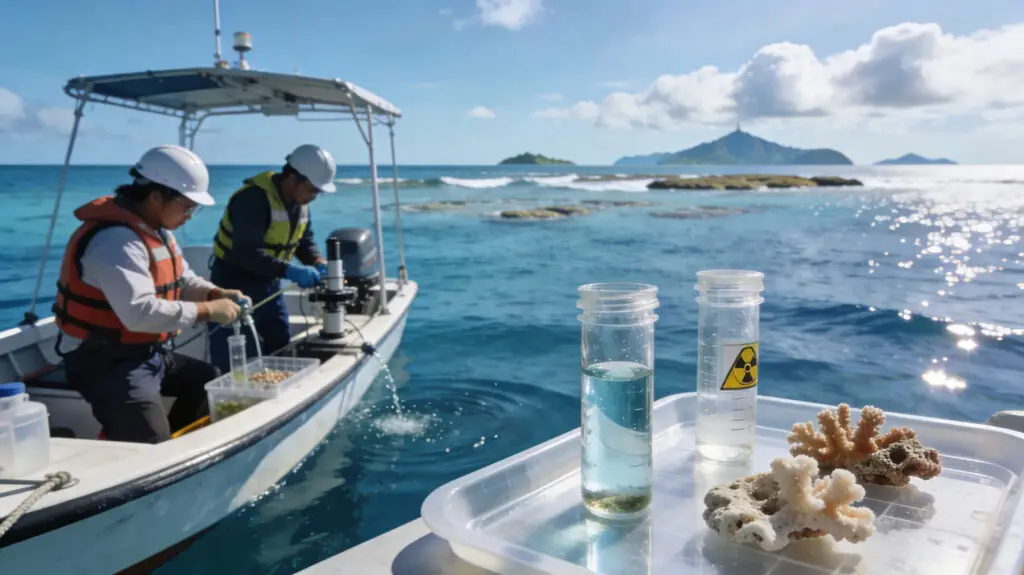
Scientists from the Philippine Nuclear Research Institute confirmed that samples from the West Philippine Sea had very high levels of iodine-129. The results came from a long-term study of marine life that looked at radioactive tracers in coral reefs and seawater in the area. The results showed levels that were much higher than those found in other Philippine marine areas.
Researchers stressed that the concentrations found are still well below levels that are thought to be harmful, even though they are higher than normal. The word “unusually high” means that things are different from each other, not that they are dangerous right away. Scientists emphasized the significance of contextual interpretation in the analysis of radioactive marine data.
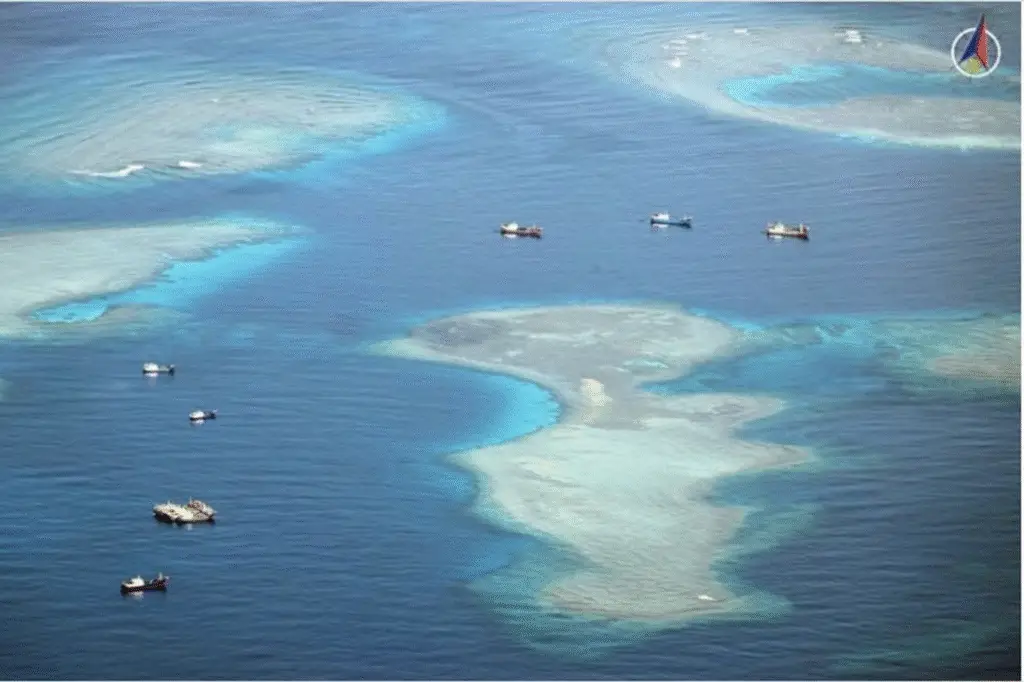
Source: ABS-CBN/Website
Long-Term Coral Studies Traced Radioactive Sources Across Oceans
The research project started in 2017 with the goal of tracking contamination from the Fukushima nuclear accident. Scientists looked at coral samples from both the West Philippine Sea and the Pacific Ocean. Corals from the West Philippine Sea had more iodine-129 than corals from the Pacific, which was surprising.
This discovery contradicted the belief that historical nuclear testing in the United States would predominate Pacific contamination signals. Researchers saw that patterns of iodine-129 were more related to how the ocean moved than to how close they were to test sites. Reliable timelines for finding radioactive dispersion pathways were based on coral growth records.
Long-Term Coral Studies Traced Radioactive Sources Across Oceans
Coral data showed that radioactive materials from Fukushima got to Philippine waters about 3.5 years later. Scientists used iodine-129 signatures found in coral growth layers to confirm this timeline. The late arrival is in line with what we know about transoceanic current movements.
Researchers made it clear that the contributions from Fukushima did not cause dangerous levels of concentration in the area. The measured values were still much lower than those in areas near nuclear reprocessing facilities around the world. The results support the idea that finding something does not mean it is harmful to the environment right away.
Recommended Articles: US Health Department Launches Cellphone Radiation Safety Study
Possible Yellow Sea Sources Examined by Scientists
Experts think that nuclear activities in the Yellow Sea may be raising iodine levels. Radioactive isotopes could get into the West Philippine Sea through coastal currents that flow south. There is a lot of evidence for this mechanism in studies of regional oceans.
Countries that are next to the Yellow Sea have nuclear power plants and do other industrial work that is related to them. These activities can let small amounts of radioactive materials into the ocean around them. Over time, currents may move these isotopes to other parts of the ocean.
Advanced International Equipment Enabled Precise Analysis
Researchers in the Philippines needed help from people in other countries to do specialized measurements of iodine-129. The University of Tokyo had an accelerator mass spectrometer that did important tests. The Philippines and ASEAN region do not currently have access to this type of equipment.
This limitation shows that there are holes in the country’s scientific infrastructure for advanced radiological monitoring. Scientists stressed how important it is to have local analytical tools to help researchers work on their own. Better access would make national efforts to assess and prepare for environmental issues stronger.
Study Exposes Gaps in National Monitoring Policies
Researchers observed that radioactive materials are not consistently monitored in Philippine marine ecosystems. This lack of regular monitoring makes it harder to find problems early and look at long-term trends. Scientists say that national policies about radioactive materials in the environment need to be better.
Improving safety at sea and protecting the environment would be possible by making regulatory frameworks stronger. Continuous monitoring allows for decisions based on evidence and communication with the public. Policymakers are urged to make integrating scientific data into environmental governance a top priority.
Government Funding and Science Investment Remain Crucial
Several Philippine government research agencies gave money to the project. Investments made it possible for international collaboration on field sampling and more advanced laboratory analysis. Researchers stressed that long-term scientific capacity depends on having steady funding.
Scientists stressed that the most powerful countries put a lot of money into research infrastructure, science, and technology. Strong scientific foundations help countries be strong and competitive on a global scale. Investing more will make the environment safer and more ready for the future.