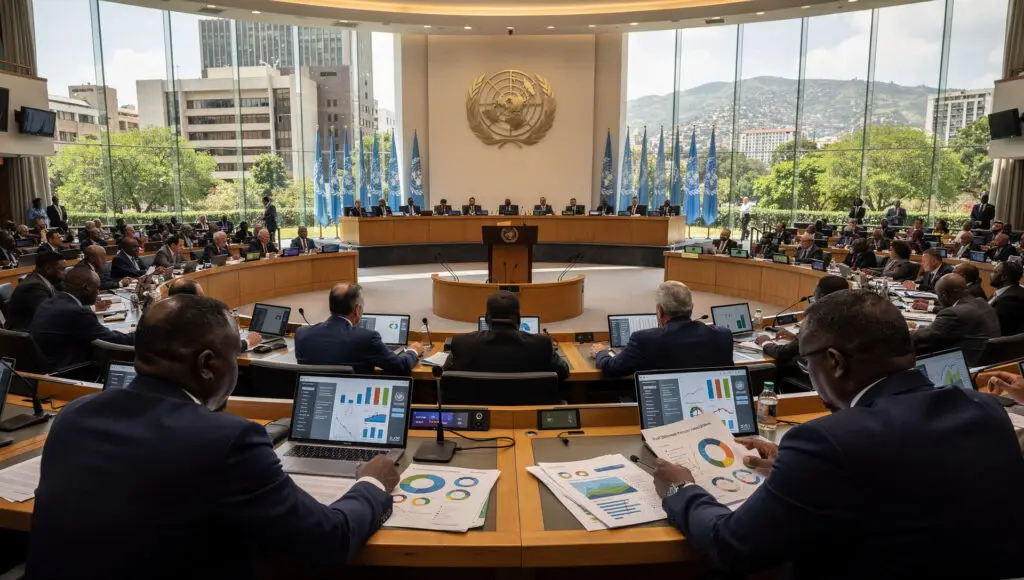
Global Sustainability Hook Economic Systems Under Pressure
Written by a sustainability policy analyst specializing in climate economics, environmental governance, and global development frameworks, this analysis evaluates the implications of the latest report from the United Nations Environment Programme.
In our analysis of the global environmental landscape, the report underscores a critical reality—environmental crises cannot be addressed without fundamentally transforming economic systems.
The findings highlight how climate change, biodiversity loss, and pollution are deeply embedded in financial structures and policy incentives worldwide.
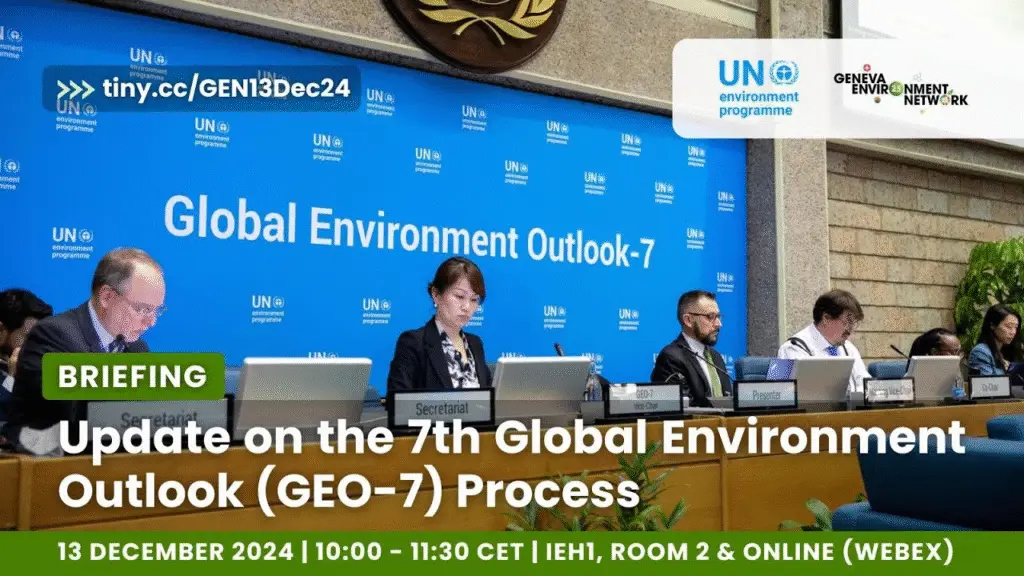
The Triple Planetary Crisis Explained
The report centers on three interconnected global threats.
Core issues identified include:
- Accelerating global climate change
- Rapid biodiversity loss across ecosystems
- Escalating pollution affecting air, water, and land
Together, these challenges form what experts describe as the “triple planetary crisis,” requiring coordinated and systemic responses.
Scale and Scope of the Report
The assessment represents one of the most comprehensive environmental evaluations to date.
Key highlights include:
- Contributions from more than 300 scientists globally
- Publication under the Global Environmental Outlook (GEO-7) framework
- Presentation at a major United Nations environmental assembly
This positions the report as a central reference for policymakers and institutions.
Why Economic Transformation Is Critical
A core conclusion of the report is that environmental solutions must begin with economic reform.
Key insights include:
- Current economic systems fail to account for environmental costs
- Financial incentives often encourage unsustainable production and consumption
- Long-term wellbeing depends on aligning economic activity with ecological limits
In our evaluation, this reframes environmental policy as an issue of economic design rather than isolated regulation.
Four Key Solution Pathways
The report outlines four primary strategies for global action.
Core pathways include:
- Pricing environmental externalities such as carbon emissions
- Embedding sustainability into fiscal and policy decision-making
- Mobilizing private capital toward green investments
- Encouraging behavioral change through regulatory and social measures
These approaches provide a structured roadmap for governments and institutions.
Role of the Financial Sector
Finance is identified as a critical lever for enabling transition.
Key recommendations include:
- Redirecting capital flows toward sustainable infrastructure and innovation
- Developing standardized frameworks for green and climate-aligned investments
- Aligning financial markets with long-term sustainability objectives
This highlights the growing importance of sustainable finance in shaping global outcomes.
Governance and Policy Integration
The report calls for deeper integration of environmental priorities into governance systems.
Key actions include:
- Incorporating sustainability into national budgeting processes
- Aligning policies with global development frameworks
- Strengthening multilateral cooperation across countries
In our analysis, governance reform is essential to translating strategy into measurable outcomes.
Scientific Consensus and Global Collaboration
The findings reflect broad international collaboration and scientific consensus.
Key contributors include:
- Researchers from global institutions and research networks
- Academic experts, including those from University of Portsmouth
- Cross-regional collaboration spanning multiple continents
This reinforces both the credibility and global scope of the report.
Urgency of Political Action
Despite the availability of solutions, implementation remains the central challenge.
Key concern:
- Limited political will to execute large-scale structural reforms
Experts emphasize that actionable strategies already exist—the primary barrier is commitment and coordination.
Outlook A Turning Point for Global Policy
The release of GEO-7 comes at a critical moment for global governance.
As environmental risks intensify, governments face increasing pressure to adopt coordinated, systemic, and economically aligned solutions.
Economics Will Define Environmental Outcomes
The report from the United Nations Environment Programme makes a clear conclusion.
From a policy and economic perspective, solving the planetary crisis depends on reshaping how economies function at a structural level.
The key takeaway is clear:
Without aligning financial systems, incentives, and policy frameworks with environmental goals, long-term sustainability will remain unattainable.
This analysis is provided for informational purposes only and does not constitute environmental or policy advice.