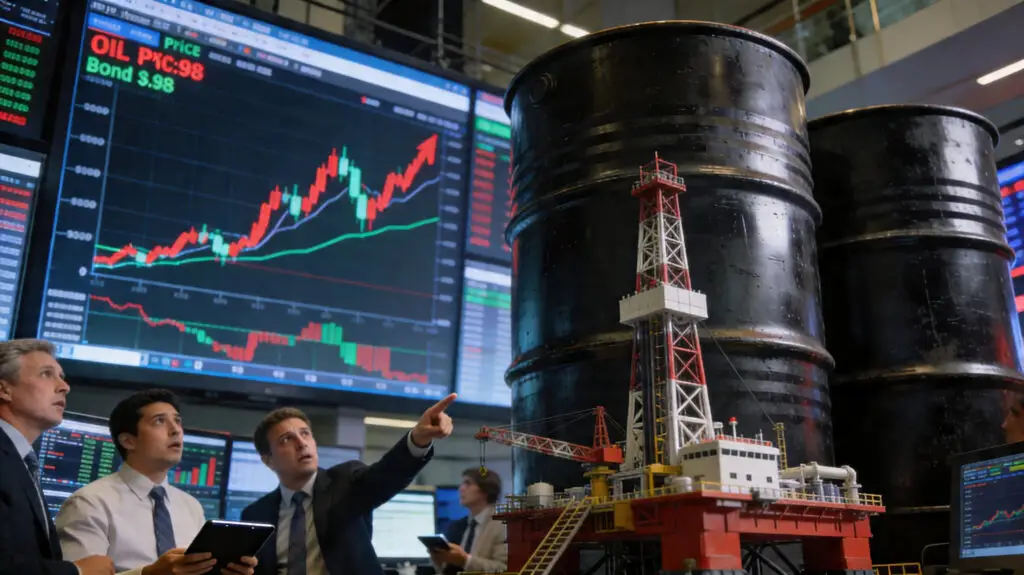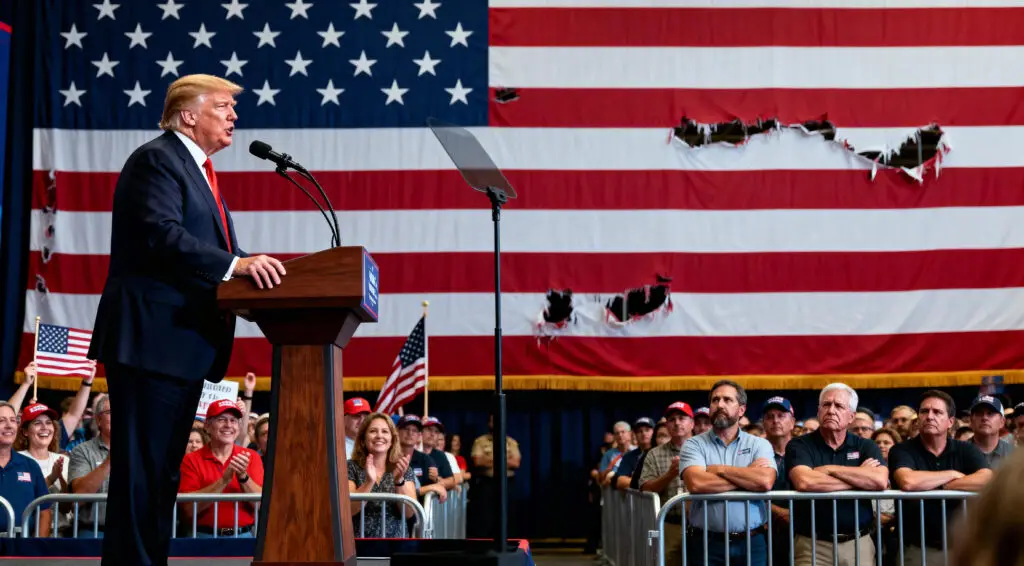
Trump’s Campaign Strategy Shifts From Inflation To Racial Politics
Donald Trump’s 2024 campaign hinged on two key voter concerns: the rising cost of living and the divisions surrounding race. Even though inflation hit its highest point, 9%, in the middle of 2022, the impact lingered for many Americans as they headed to the polls. This discontent fueled Trump’s comeback, with many people convinced his return would jumpstart the economy.
Since assuming the presidency, Trump’s attention has shifted away from economic matters and toward contentious cultural debates. His administration’s focus on deportations, along with its use of racist language and anti-diversity policies, has driven away the centrist voters who had previously backed him.
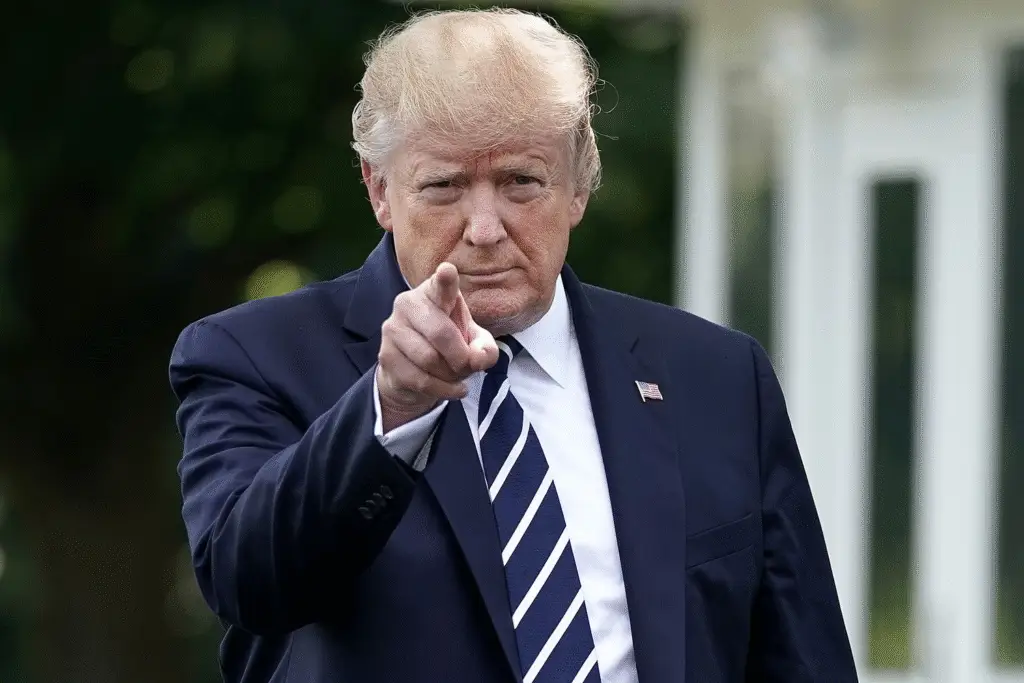
Economic Struggles Deepen As Racial Rhetoric Dominates The Agenda
Instead of tackling the growing cost of living, Trump’s focus has been on strict immigration laws and racial issues. He often depicts cities as dangerous, overrun with immigrants, and a menace to the established American way of life. These pronouncements resonate with his core MAGA base, although they do little to address the mounting economic challenges facing the country.
The president’s moves, including sending the National Guard into communities run by Democrats and scrapping diversity initiatives, have further deepened the nation’s divisions. Voter dissatisfaction is mounting, fueled by persistent unemployment, soaring food costs, and salaries that haven’t budged.
Voters Punish Economic Failures In Recent Elections
The repercussions of Trump’s economic policies were evident in the most recent state and municipal elections. Democrats scored victories in crucial contests throughout Virginia, New Jersey, and New York, a clear indication of voter dissatisfaction with the current administration’s record. Economic discontent, even in areas traditionally supportive of Republicans, morphed into a critique of Trump’s presidency.
The setbacks have unsettled the president’s political core, which had previously rallied around his populist pledges. A significant number of those who backed him, drawn by his economic proposals, now feel let down by his preoccupation with cultural issues.
Recommended Article: Japan Tourism Stocks Sink as China Issues Travel Warning
Inflation And Tariffs Continue To Undermine Public Confidence
Even with initial promises to keep prices steady, Trump’s measures have actually intensified inflation. The additional import duties have driven up prices, making life worse for the very working-class folks he promised to support. The increasing costs of housing and healthcare have worsened these economic problems.
Economists are sounding the alarm: these actions have hampered the nation’s expansion and made investors wary. The administration’s actions, including cuts to vital programs like food aid and healthcare subsidies, have only widened the gap between rich and poor in the United States.
Approval Ratings Fall As Consumer Confidence Declines
Recent surveys indicate a significant decline in consumer mood, mirroring widespread public discontent with how the economy is being handled. The University of Michigan’s index dipped close to its lowest point ever, a clear indicator that the average American’s confidence is crumbling. It seems that only those with significant stock portfolios saw gains during Trump’s administration.
Trump’s popularity numbers have paralleled this erosion of trust, plummeting significantly since the middle of the year. The decline is mostly blamed on public discontent. People are unhappy with rising prices, worries about job stability, and what they see as a lackluster government reaction to the economy’s problems.
Trump Attempts To Revive His Economic Narrative
Under increasing pressure, Trump is now shifting his focus back to economic assistance. He recently eased some of his own tariffs, hoping to bring down food costs, and suggested a $2,000 tax rebate, which would be financed by the money generated from those tariffs. He also proposed a contentious 50-year mortgage scheme, aiming to tackle the issue of home affordability.
However, some believe that these actions are insufficient and come too late. Many voters see these initiatives as political moves rather than real measures to improve the economy. Democrats are already weaponizing his past inflation denials, using them as fodder for the upcoming midterm elections.
Divisive Politics Risk Overshadowing Future Economic Recovery
Trump’s persistent emphasis on racial issues could alienate those in the middle of the political spectrum. Without substantial economic changes, analysts predict his political alliance would keep losing ground. While racial divisiveness can fuel his core supporters, it might also push away independent voters in economically struggling areas.
In the end, Trump’s administration highlights a difficult fact about American politics. While rhetoric might unite people, ignoring economic difficulties always has negative consequences. As public support diminishes, the president confronts the implications of preferring divisiveness over effective governance.