


xAI Announces Record Private Investment In Mississippi
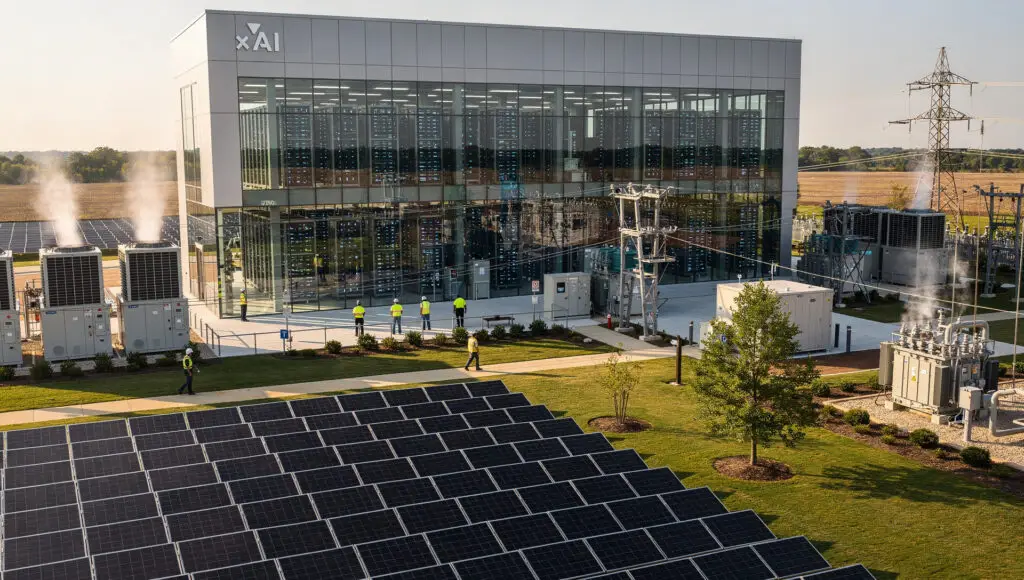
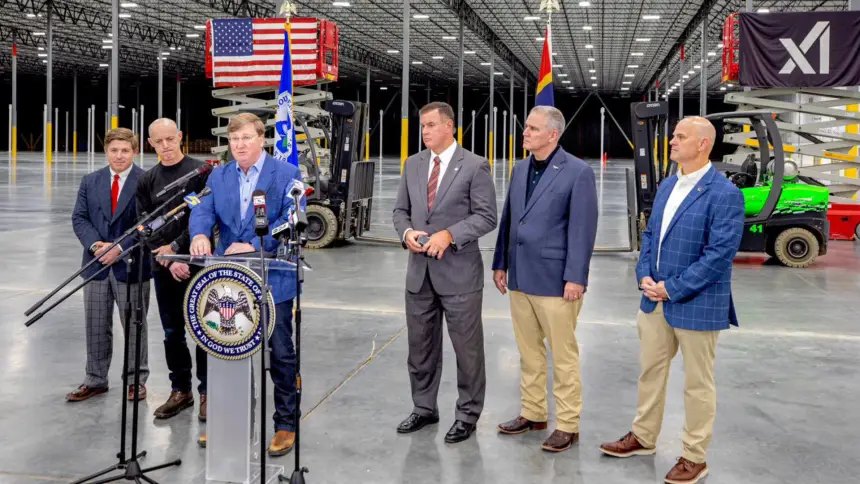
xAI, a company that makes AI, said it would put $20 billion into a huge data center project in Mississippi. This week, state leaders announced the development, which they called the biggest private investment in state history. Officials said that the project would change the way technology works in the area and help the economy grow in the long term.
Executives say that the new building will greatly increase computing power, which will help with advanced AI research. The Southaven site was chosen because it is close to Memphis and has existing data center infrastructure. This investment strengthens Mississippi’s growing role in the quickly growing technology corridor economy in the United States.
Source: SuperTalk FM
MACROHARDRR Facility Targets Unprecedented Supercomputing Scale
The data center, called MACROHARDRR, will be the center of a group of computers that can handle a lot of computing power. Company leaders said that the two sites together want to run the biggest supercomputer network in the world. The system should be able to handle about two gigawatts of total computing power at full scale.
This Mississippi project is xAI’s third big investment in a data center in the Memphis area. Executives stressed that clustering facilities makes operations more efficient, adds redundancy, and boosts performance for heavy AI workloads. The scale shows how much more computing power next-generation machine learning systems will need as demand rises around the world.
State Incentives Highlight Competition For Data Center Investment
Mississippi lawmakers passed a law in 2024 that gave the project big tax breaks to get it to come to the state. These steps include letting qualifying data centers avoid paying sales, corporate income, and franchise taxes. Local governments also agreed to lower property tax assessments by a large amount to help with building and running the business.
Governor Tate Reeves said that the investment would create jobs and bring in money for the government. State estimates say that subcontracting work will create hundreds of permanent jobs and thousands of indirect jobs. Officials say that the long-term growth of the tax base will make up for the short-term loss of revenue from incentive programs.
Recommended Article: Subco Strengthens Australia Connectivity With SMAP Expansion
Environmental Groups Raise Concerns Over Community And Air Impacts
Civil rights and environmental groups were worried about the emissions from nearby xAI computing facilities. The NAACP said that pollution hurts neighborhoods with a lot of Black people more than it hurts neighborhoods with a lot of other people. Advocates say that using a lot of energy could make air quality and public health systems even worse.
The Southern Environmental Law Center also asked about the lack of oversight and openness in the permitting and operational monitoring processes. Local groups have been passing around petitions asking for stricter rules or possible closures of nearby facilities. Company representatives say that being environmentally responsible is still a core value that guides design and operations standards around the world.
Economic Promises Contrast With Unresolved Environmental Scrutiny
Supporters say the project gives Mississippi an edge in the growing global market for artificial intelligence infrastructure. Rural and suburban areas expect improvements to their infrastructure and more demand for local services that will keep the economy going. Business leaders say that investing in advanced computing attracts secondary technology companies and pools of specialized talent across the country.
Critics say that the long-term social and environmental costs must be carefully weighed against the short-term economic benefits. They want full impact assessments done before operations grow to full supercomputing capacity safely and responsibly across the country. The argument is a reflection of larger national tensions over issues like technology growth, fairness, and taking care of the environment.
xAI Expansion Underscores Accelerating Demand For AI Infrastructure
The rapid growth of generative AI is causing an unprecedented need for huge investments in data centers. Today, companies are racing to get power, land, and incentives as competition around the world gets tougher. Elon Musk started xAI to get scale advantages by strategically placing concentrated computing ecosystems around the world.
The Mississippi buildout works well with other regional facilities to support AI training workloads that are becoming more complicated. Analysts in the field say that the availability of energy and the certainty of regulations are becoming more important factors in site selection decisions around the world. As models get bigger, the size of the infrastructure becomes a key factor in competition in technology markets around the world.
Operations Timeline Signals Rapid Transition From Build To Launch
State officials say that xAI plans to start running its Southaven data center in a few weeks. Construction has moved along quickly, which has sped up the deployment of computing equipment on a large scale. Early activation helps with testing and phased integration into the larger framework of the Memphis supercomputing network at first.
The timeline shows how quickly AI infrastructure projects can move once all the necessary approvals are in place. It also makes us wonder if regulators are ready to safely oversee facilities that are growing quickly and using a lot of energy all over the country. States are fighting hard to get investments in transformative technologies, and Mississippi’s experience may affect future policy debates.