


Health System Resilience Amid Climate and Pandemic Pressures
The World Bank gave the green light to a big project that will make Botswana’s health system more resilient to future national emergencies. The program aims to lower the risks of pandemics, illnesses caused by climate change, and routine healthcare problems that affect weak communities. Recent droughts, floods, and aftershocks from the pandemic have shown weaknesses that could threaten long-term public health stability.
Officials stressed that climate shocks and pandemic disruptions happening at the same time made it harder for people to get the medicine and services they needed across the country. A public health emergency in 2025 showed how weak the system was and how badly it needed structural investment. Strengthening resilience is meant to protect people and stop service breakdowns from happening again.
Source: WHO | Regional Office for Africa
Emergency Preparedness Shaped by Recent National Health Shocks
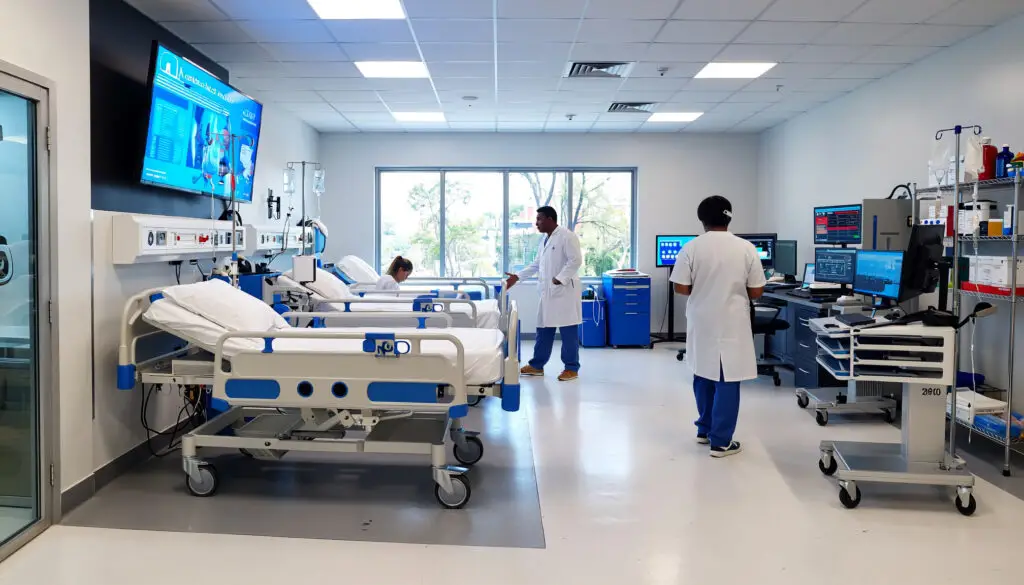
Botswana’s health sector has had to deal with a lot of stress from bad weather and long delays in the supply chain. Floods and droughts caused problems for clinics and showed that rural areas don’t have enough emergency response resources. The project puts a lot of emphasis on being ready so that healthcare infrastructure doesn’t get overwhelmed by future crises.
Investments that focused on efficiency, coordination, and being ready to respond quickly were based on lessons learned from recent emergencies. Officials want to keep important services running during shocks that affect high-risk groups. People think that getting ready will help them get better faster and cause less social disruption.
Tracking Digital Medicine to Stop Shortages Across the Country
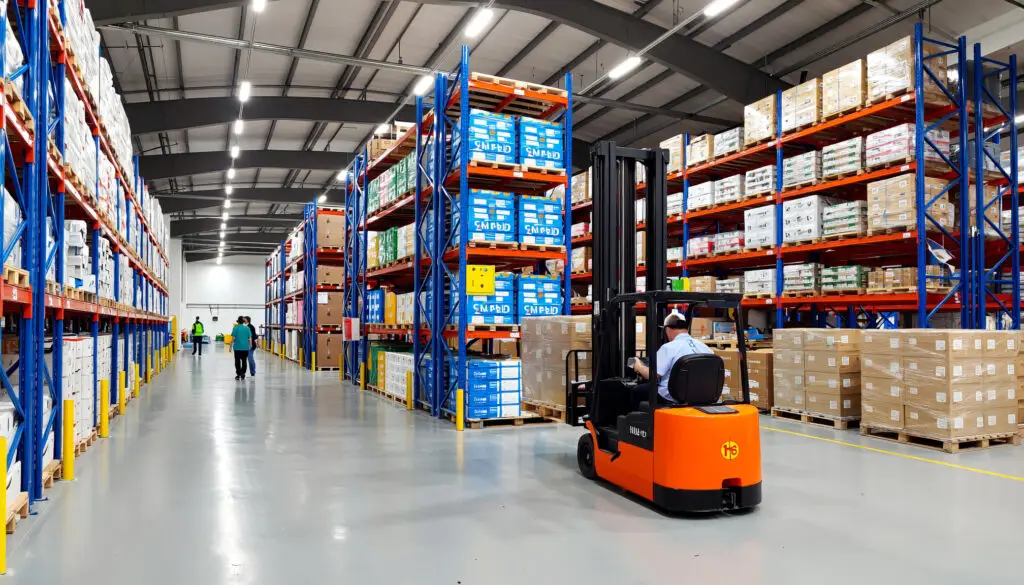
The rollout of a national electronic logistics management information system is a key part of the project. The system will keep track of medicine supplies in real time as they move from central warehouses to faraway facilities. Officials think that better visibility will help stop shortages and delays in distribution across the country.
Real-time tracking makes people more responsible and cuts down on waste and inefficiency in supply chains. Faster access to data makes it possible to act quickly when problems threaten the availability of medicine. Reliable supply continuity helps treatment outcomes and makes people trust healthcare services.
Recommended Article: WHO Starts Mass Casualty Management Training in Egypt
New Labs to Make Sure That Medicines Are Safe and of Good Quality
One part of the project is to set up a national drug quality control lab that can handle bad weather. This facility will test medicines to make sure they are safe, work, and follow all the rules across the country. Better quality control keeps patients safe and makes people trust public health systems more.
Infrastructure that can withstand climate change makes sure that labs can keep running even during bad weather. More testing capacity means that we don’t have to rely on outside verification processes as much. Better regulation makes the standards for care in both public and private healthcare stronger.
Faster Ability to Find Outbreaks and Keep an Eye on Diseases
Investments will improve national public health labs so that they can find infectious diseases more quickly. Better tests make it possible to find outbreaks earlier, before they spread widely. Early detection takes some of the stress off of hospitals and emergency response systems.
The project will train and send out rapid response teams at the national and district levels. These teams will quickly respond to new health threats and outbreaks that happen in a small area. Faster coordination slows the spread of disease in the community and eases the burden on the health system.
Encouraging Gender Equality in Emergency Leadership Positions
Gender inclusion is a clear goal for emergency preparedness and response systems. The project helps more women get involved in leadership roles across the country. During times of crisis, inclusive leadership helps people make better decisions and builds trust in the community.
Capacity building programs will help health professionals who aren’t well-represented learn new skills. Fair participation is in line with bigger goals for governance and social inclusion. For systems to be strong, their leaders must reflect the people they serve.
Long Term Use for Long Lasting Health Benefits
Botswana’s Ministry of Health will carry out the project over the course of 5 years. Working with the national medicines regulator makes sure that everything is done and overseen in a coordinated way. Long-term implementation makes resilience practices a normal part of how the health system works.
Officials from the World Bank say that the project is a long-term investment, not just a way to deal with a crisis. It is hoped that stronger systems will protect progress in development and help keep the economy stable. The goal of the program is to provide reliable health care that can handle future emergencies.