


Amnesty Proposal Targets Decades Of Political Detentions
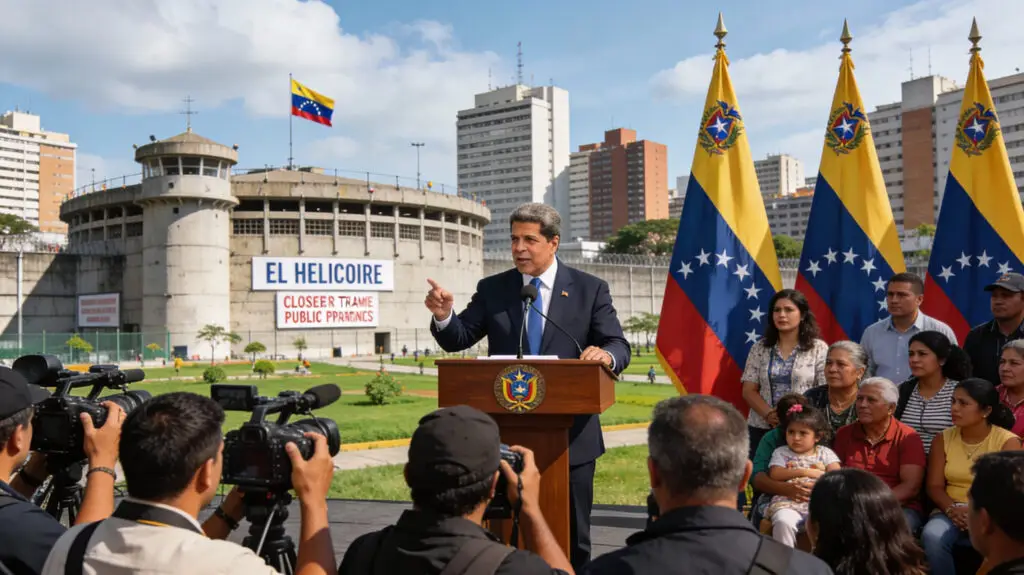
Venezuela’s acting president announced a broad amnesty covering cases of political violence dating back to 1999. The proposal addresses arrests and prosecutions carried out during the administrations of Hugo Chávez and Nicolás Maduro.
Officials said the measure could reset Venezuela’s justice system and ease tensions built up through years of political repression. The announcement represents one of the most ambitious institutional shifts since Washington-backed leadership changes.
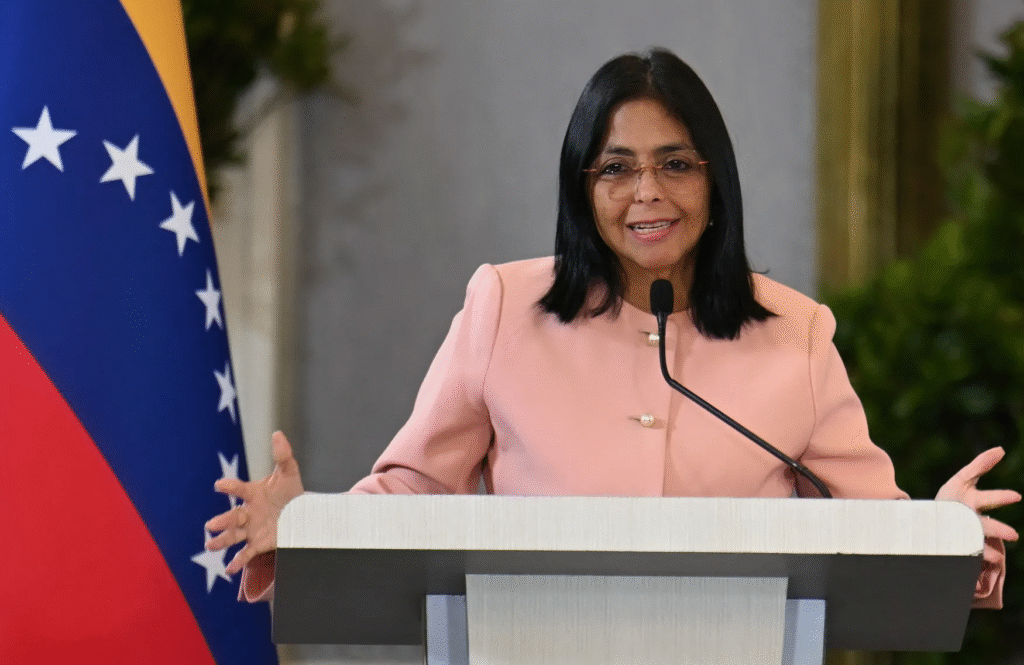
Source: NewsNation/Website
National Consultation And Judicial Reform Announced
Alongside the amnesty, the government unveiled plans for a nationwide consultation on rebuilding Venezuela’s judicial system. Leaders said the initiative aims to restore legal credibility and reduce long-standing systemic abuses.
The consultation will include civil society groups and focus on reforming accountability mechanisms criticized by international human rights organizations. Supporters argue judicial restructuring is essential to stabilizing governance after Maduro’s departure.
Closure Of El Helicoide Prison Signals Break With Past
Authorities also announced the closure of El Helicoide, a notorious detention center long associated with torture allegations. The facility is expected to be converted into cultural and recreational spaces for public use.
Human rights groups have documented abuses at the intelligence-run prison for years. For families of detainees and political activists, shutting down El Helicoide represents a powerful symbolic break from past repression.
Recommended Article: Venezuela Frees Some Political Prisoners as Repression Persists
Families Respond With Hope And Cautious Relief
Relatives of political detainees reacted emotionally to the possibility of releases under the amnesty plan. Many families had gone months without contact, fearing mistreatment or forced disappearances.
Despite renewed hope, skepticism remains due to slow prisoner releases following earlier promises. Advocacy groups report that fewer than three hundred political prisoners have been freed since initial announcements in January.
U.S. Pressure Shapes Reform Momentum In Caracas
Observers say reform efforts accelerated after direct U.S. pressure pushed Maduro from power. Shortly after leadership changes, Washington eased certain sanctions on Venezuela’s oil sector.
U.S. officials praised steps such as freeing foreign detainees and reopening investment channels. American authorities confirmed that all U.S. citizens previously held in Venezuela have now been released.
Opposition Voices Express Guarded Optimism
Opposition leaders cautiously welcomed the amnesty proposal but warned that entrenched power structures remain intact. Some lawmakers argued reforms were driven more by external pressure than internal democratic change.
Even so, opposition figures hope the initiative marks the beginning of an end to systematic repression. Several described the amnesty as a possible first step toward lasting political freedom and reconciliation.
Diplomatic Normalization With The United States Advances
Domestic reforms coincide with moves to restore formal diplomatic relations with Washington. U.S. officials plan to reopen their embassy in Caracas after years of closure.
Flight bans between the two countries have been lifted, signaling renewed cooperation. Diplomats view these developments as reinforcing reform incentives while reshaping Venezuela’s international standing.