
Treasury Yields Edge Lower Ahead of Data-Heavy Week
On Monday, U.S. Treasury rates experienced a slight decline as investors awaited significant economic reports that could impact growth and inflation forecasts. The 10-year yield dropped to 4.178%, the 2-year yield to 3.506%, and the 30-year bond fell to 4.845%.
This cautious approach was attributed to signs of a slowing job economy and uncertainty regarding the Federal Reserve’s next actions, with traders adjusting positions ahead of the critical consumer price index (CPI) release on Thursday.
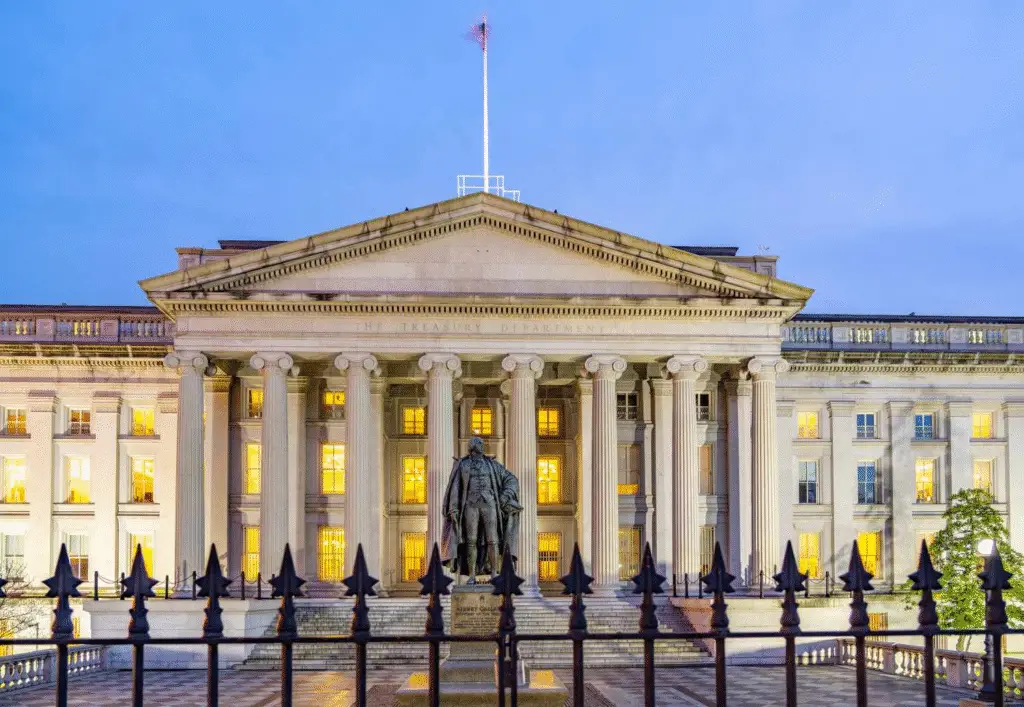
Source: Investopedia
Investors Await Labor Market and Inflation Clarity
The market is quite interested in a number of news items that are likely to change expectations for monetary policy in early 2026. Tuesday will see the publication of the November nonfarm payrolls and unemployment rate. This will provide us an updated look at hiring circumstances after the unprecedented 43-day government shutdown that delayed several economic metrics.
FactSet says that the CPI data for November, which comes out on Thursday, will indicate that headline inflation is up 3.1% from the same month last year. Core inflation, which doesn’t include food and energy, is also predicted to be 3.1%, which supports the idea that underlying pricing pressures are still stable but hard to get rid of.
Bond Market Reflects Renewed Caution
Traders said that the small drops in yields were a sign of increased caution and defensive posture as markets tried to figure out if falling inflation would let the Federal Reserve keep or prolong its current easing program. The drop in shorter-term yields, especially the 2-year note, implies that people are losing hope that rates will go up right away.
One fixed-income expert said, “It’s clear that investors are being careful before this week’s data.” “The direction of yields will depend on whether the CPI shows that inflation is slowing down or that it might start to rise again.”
Recommended Article: Zelenskyy Backs US Proposal for Free Economic Zone in Ukraine
Retail and Housing Data to Close the Week
The October retail sales data will not only provide information about jobs and inflation, but it will also show how strong consumer spending is going into the Christmas season. After months of changing demand because of increasing borrowing rates and consumer debt pressures, analysts forecast just a little amount of growth.
November existing home sales, a major indicator of the health of the housing market, end the week. Activity is still low since mortgage rates are high and inventory is limited. The National Association of Realtors thinks that the pace will be around the same as it was in October.
Yield Curve and Market Performance Snapshot
Treasury rates moved in different directions throughout the curve, showing that investors were being careful:
- 1-month Treasury: 3.67% (+0.002)
- 3-month Treasury: 3.63% (+0.012)
- 6-month Treasury: 3.60% (+0.013)
- 1-year Treasury: 3.526% (-0.014)
- 2-year Treasury: 3.506% (-0.025)
- 10-year Treasury: 4.178% (-0.014)
- 30-year Treasury: 4.845% (-0.009)
The curve’s mild flattening shows that long-term rate expectations are still low, which fits with the idea that inflation might stabilize without more tightening.
Markets Reassess Federal Reserve Path
Last week’s statements from Federal Reserve officials raised optimism for another interest rate decrease in December. This caused stocks to briefly rise and made bond market volatility less severe. But economists say that if consumer demand stays strong or service inflation stays high, it may make the Fed’s goals more difficult.
Another expert stated, “The Fed’s next move depends a lot on this week’s data.” “If inflation or retail spending goes up more than expected, the market’s current dovish expectations may be too early.”
Investor Outlook Remains Guarded Amid Mixed Signals
Even if rates are going down, investors are still being careful because of contradictory signals about global growth and concern about the geopolitical situation. As 2025 comes to an end, investors are evaluating the chances of a gentle landing against the risks of tighter financial conditions and poorer exports.
Analysts say that Treasuries will keep trading in a range until Thursday’s inflation data makes things clearer. If the CPI matches what was expected, rates may go down, which would support the idea that the Federal Reserve’s monetary cycle has peaked and set the path for stable policy moving into 2026.
Economic Outlook Hinges on Inflation and Policy Coordination
As Wall Street gets ready for the last few days of trading this year, the direction of U.S. rates will rely on whether the economy stays stable without going into a recession. The CPI and payroll figures that are coming out soon should help us understand if the economy is getting closer to balance, which is when inflation slows down without affecting jobs or expenditure.
For now, investors are still focused on dealing with data-driven volatility and are being careful about where they put their money until they get better indications about the Federal Reserve’s policies and the strength of the U.S. economy.