


Guatemala Begins Phasing Out Cuban Doctors After Decades Of Cooperation
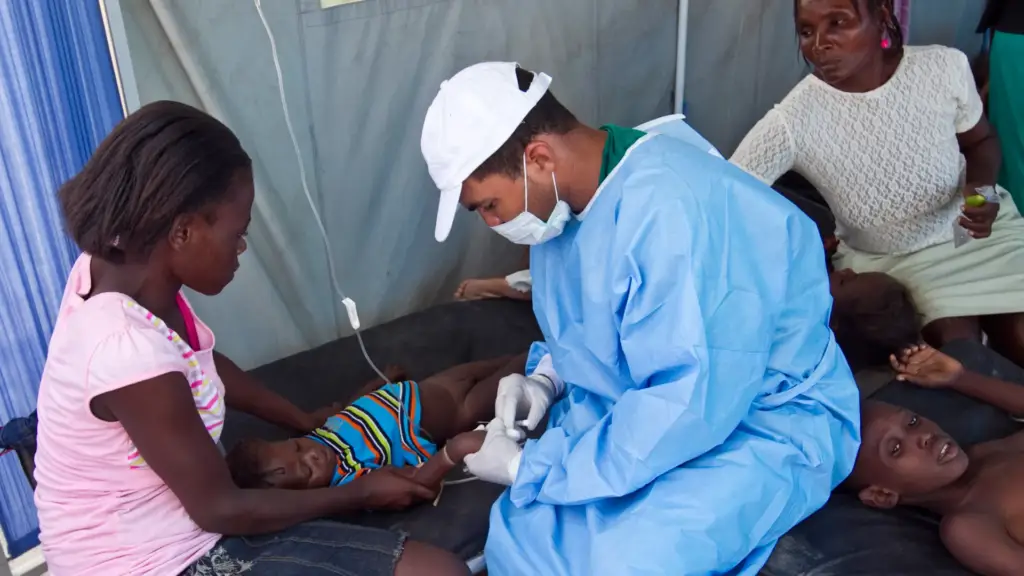
Guatemala said it would slowly end its Cuban medical brigade. Officials said the mission was complete after providing long-term humanitarian aid. The program started after Hurricane Mitch destroyed a lot of infrastructure in the area.
Officials said that staffing changes at home will fill the gaps left by people who leave. As part of the transition, remote communities will get training incentives. Guatemala used to depend a lot on Cuban doctors to take care of people in rural areas.
Source: Al Jazeera/Website
United States Expands Pressure Targeting Cuba’s Largest Source Of Revenue
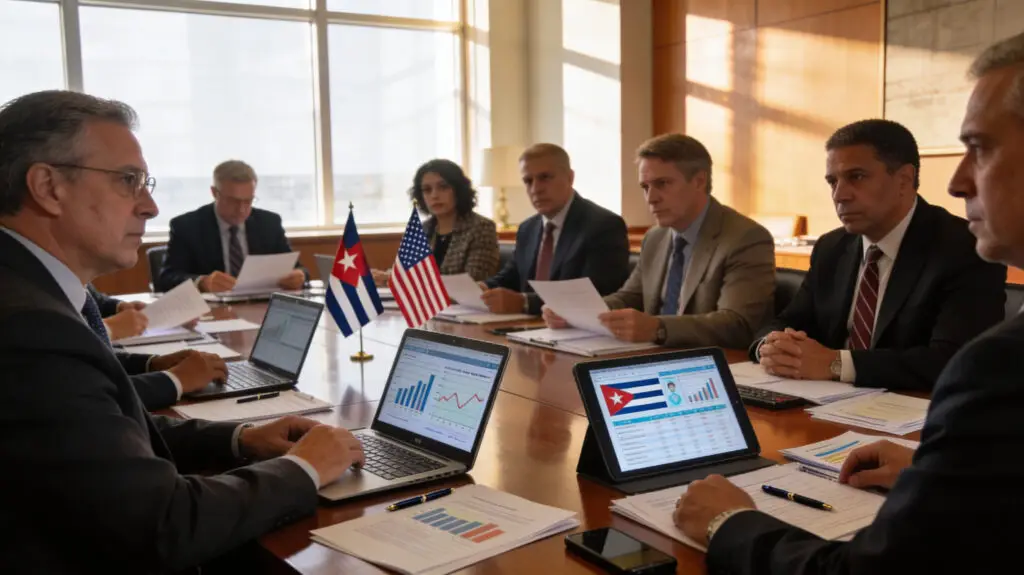
Washington says that Cuba’s foreign medical brigades are forced labor operations. Officials want to limit the government’s access to important sources of income. Countries are less likely to sign cooperation agreements when they have visa restrictions.
Analysts say that the pressure got worse after the oil blockade measures were put in place. Severe shortages are making services in Cuba very bad. US policymakers see sanctions as a way to achieve bigger geopolitical goals in the region.
Cuban Missions Long Served As Diplomatic Tool Supporting Global Healthcare
Since 1959, Cuban doctors have been sent all over the world on a regular basis. Missions helped areas of Latin America, Africa, and other places that did not get enough help. Host countries benefited from having better healthcare systems.
Cuba gained diplomatic goodwill by training doctors from other countries. For decades, many countries worked together. An abrupt withdrawal makes people wonder what political reasons are behind decisions.
Recommended Article: USA Funds SMR Review to Back Philippines Nuclear Plans
Fuel Crisis And Economic Strain Deepen Vulnerability Inside Cuba Now
Cuba is having a lot of trouble with energy because shipments from Venezuela have stopped. Emergency rationing affects hospitals, businesses, and transportation. Fuel shortages make shortages that were already there worse across the country.
US sanctions make it very hard to get the economy back on track. The government needs to quickly put strict conservation policies into place. Because of these conditions, they depend more on money from international medical missions.
Regional Leaders Are Worried That Pressure Will Hurt Public Health
Leaders in the Caribbean spoke out against US actions many times. They said that Cuban doctors were necessary for keeping the country’s healthcare system going. Visa threats were aimed at officials who were part of cooperation programs.
Several leaders said they were willing to accept penalties. They said that humanitarian needs are more important than political disagreements. Countries that rely on Cuban workers are afraid that services will fail without ongoing help.
Some Countries Adapt Programmes While Others Comply With Washington’s Demands
Guyana recently changed how it pays Cuban doctors. Direct payment goes around government channels for a short time. This method keeps services going while lowering the risk of geopolitical problems.
Guatemala, on the other hand, ended a long-term partnership because of strategic concerns. Analysts say that fear of economic retaliation affected decisions. The way things are going in the region is changing a lot as they get more in line with US policy.
Analysts Say US Campaign Seeks Weakening Cuban Government Through Isolation
Experts think that Washington wants to end the Cuban government’s long-term stability. During times of instability in the region, pressure rises. Marco Rubio and other officials push for aggressive containment strategies.
Economic opportunities and agreements on migration are 2 possible incentives. Concerns about more people leaving the country drive foreign policy decisions. People who are watching say the campaign is getting stronger after recent events in Venezuela.