


UNESCO and UN Partners Address AI-Facilitated Abuse in Namibia
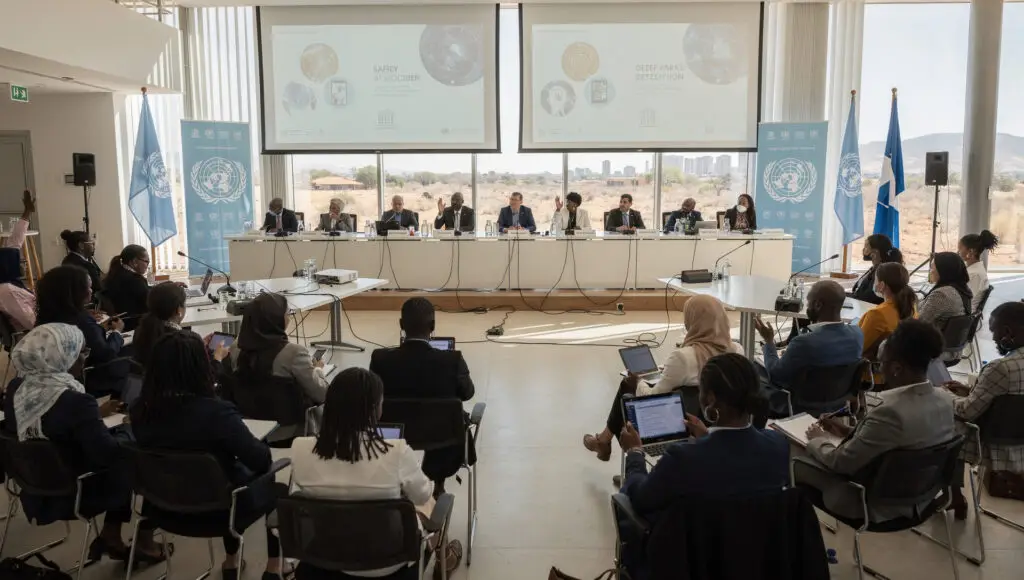
On December 9, 2025, UNESCO’s Windhoek Office held a discussion at the United Nations House in Namibia that brought together more than fifty people to talk about a rising problem: technology-facilitated gender-based violence against women journalists. The subject of the event was “Chat GBV: Raising Awareness on AI-Facilitated Gender-Based Violence Against Women Journalists,” and it was held on the International Day to End Impunity for Crimes Against Journalists.
Eunice Smith, the head of UNESCO’s office, says that the growth of synthetic media and AI manipulation has made digital dangers more complex and harmful. She stressed that the lack of punishment for these kinds of offenses is one of the biggest obstacles to justice.

AI Deepfakes and Digital Harassment Undermine Press Freedom
A recent study in Namibian newsrooms found that assaults against women journalists online have been on the rise, especially for those who cover politics and government. Ms. Smith added that female reporters are often the targets of sexualized remarks, smear campaigns, and doxing. She was referring to research by Zviyita and Mare on gender-based violence in the media.
The Internet Society Namibia Chapter said that women journalists are some of the most targeted people online. They are harassed even more by AI-generated deepfakes that sound or look like them. People are using these kinds of fakes more and more to hurt experts’ reputations, which hurts both their own credibility and the public’s belief in media.
UNFPA Rep Says Digital Gender Gap Is Getting Bigger
Erika Goldson, the United Nations Population Fund (UNFPA) Representative to Namibia and Chair of the UN Gender Theme Group, said that the project was connected to the worldwide “16 Days of Activism to End Gender-Based Violence” campaign. She said that digital misuse is no longer a distant threat; it is a real concern that affects those who provide power to society via journalism.
Goldson said that when women are silenced or discredited online, democracy loses. She said that all sectors need to work together to make sure that media settings are secure and welcoming for everyone. She also said that women journalists can’t be free to speak their minds if they’re not safe.
Recommended Article: Disney and OpenAI Unveil AI Platform Featuring Mickey Mouse
Deepfakes Amplify Risk and Fuel Misinformation
The panel disclosed new information that showed an increasing number of fake documents made by AI in Namibia, including altered pictures and videos intended to undermine respected women journalists. These deepfakes propagate quickly on social media, making it tougher for people to tell the difference between real and fake information.
This setting not only spreads false information, but it also makes harassment and mental distress worse for journalists who are targeted. People who took part in the discussion agreed that media companies, regulators, and law enforcement agencies need to work together to stop this trend.
Law Enforcement Urged to Address Digital Gender Violence
Panelists and those who came to the event said that a lot of online harassment goes unreported because people are afraid of being judged, institutions don’t respond well, and police don’t get enough training. They told the Namibian Police Force to include digital gender-based violence prevention in its training for officers.
Participants noted that this kind of integration would speed up responses and safeguard victims, which would help make sure that women journalists may work without fear of retaliation or harassment. To hold people accountable and restore faith in the rule of law, stronger enforcement tools were seen as necessary.
Practical Workshops Empower Journalists With Digital Skills
There were also interactive workshops at the remembrance where people learned how to spot AI-manipulated information, deal with digital dangers, and make campaigns that promote online safety. Journalists from both national broadcasters and independent channels made counter-narrative materials to show harassment and protect the integrity of journalism.
These exercises focused on women’s strength and unity in the media, giving them the tools they need to be safe online and defend their professional reputations as AI-related hazards develop.
Toward a Safer Digital Future for Women in Journalism
As AI technology gets better, its misuse against women journalists becomes a bigger threat to both press freedom and human safety. The talks in Windhoek made it evident that we need to move quickly and work together to deal with these problems through laws, education, and ethical technology governance.
Through long-term collaborations and raising public awareness, UNESCO and its partners want to make sure that innovation supports development, not persecution, and that every woman journalist in Namibia and abroad may report freely, without fear, and securely.