



Global Race Intensifies For Battery Manufacturing Leadership
Governments all over the world are fighting hard to control the production and supply chains of electric vehicle batteries. Europe the US and Asia are all using incentives speeding up approvals and lowering energy costs. The UK is still in the running but it could fall behind if no one steps in to help.
If you do not act quickly future investments in the automotive industry could move overseas making the industry less resilient. Battery production now decides where cars are designed made and sold around the world. Strategic delay would hurt the long term competitiveness of the entire auto industry.
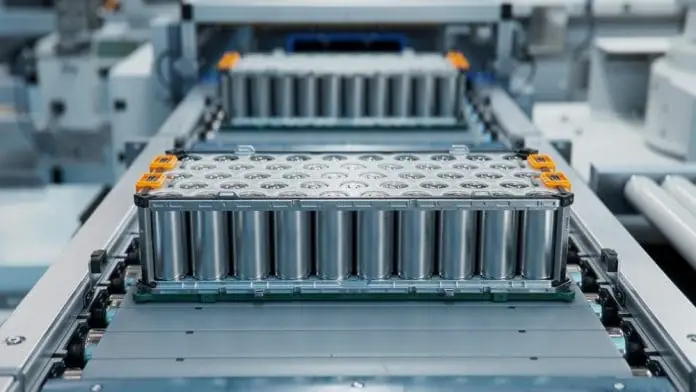
Source: Innovation News Network/Website
Battery Gigafactories Seen As National Infrastructure Assets
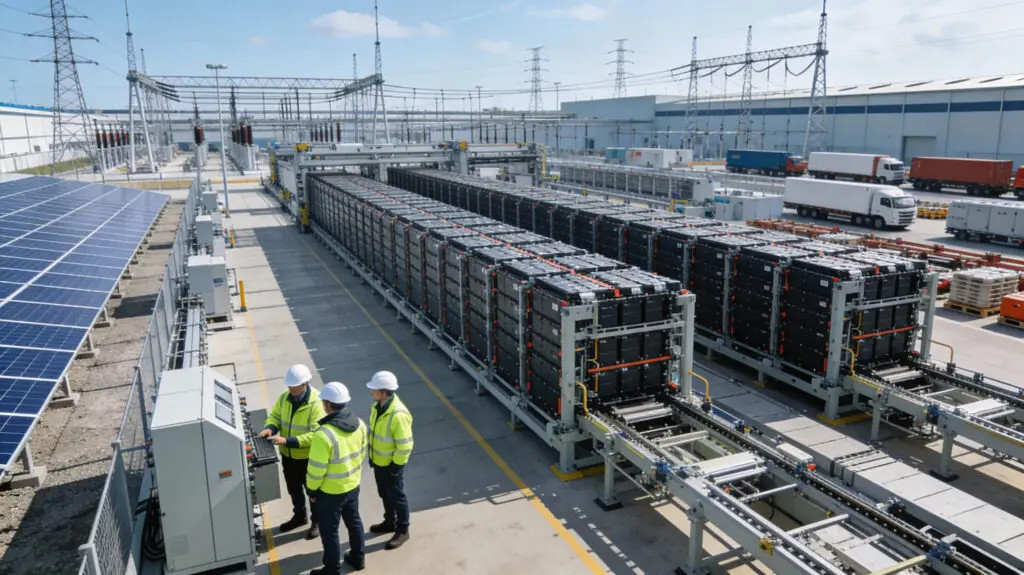
Instead of being seen as separate industrial projects gigafactories should be seen as important parts of national infrastructure. Countries that build battery plants next to car factories are more likely to get new car platforms and keep getting investment. These choices will affect where factories are located for decades to come.
The UK could lose a lot of car production if it does not build gigafactories at home. Manufacturers need batteries to be close by more and more so they can keep costs down and logistics running smoothly. Infrastructure alignment now decides which countries are still good places to buy cars.
Economic And Regional Benefits Of Domestic Battery Production
A strong domestic battery ecosystem will create thousands of well paying skilled jobs in many areas. Gigafactories can help supply chains and innovation clusters while also helping to bring regions back to life. These investments help the economy stay strong while also working toward net zero goals.
Making batteries also makes the country’s energy security and industrial sovereignty stronger. Putting climate goals and manufacturing competitiveness together is a long term strategic move. The chance goes beyond transportation and into a bigger role as a leader in clean technology.
Recommended Article: Samsung and Pearson Unveil AI Wearable for Focus and Attention
Government Urged To Adopt Interventionist Industrial Strategy
The UK cannot just say we are open for business to get investors. Global competitors are actively using targeted incentives and high level political involvement. To keep anchor automotive manufacturers proactive leadership is now necessary.
A cabinet minister with a name should be in charge of making sure that the gigafactory investment goes through. Coordination across planning grid access skills and finance would boost investor confidence. More and more speed and clarity decide how investments turn out.
Investor Readiness Depends On Sites Energy And Supply Chains
Sites that are ready for investors must now have secure grid transportation and water infrastructure. For battery production that uses a lot of energy it is still very important to have competitive and predictable energy prices. Global investors are put off by delays in getting infrastructure ready.
Closing gaps in the supply chain is just as important for staying competitive. Investment in materials for cathodes and anodes recycling and new chemistries must grow in the United States. Integrated ecosystems are better than manufacturing strategies that are broken up.
Skills Development Critical For Battery Manufacturing Scale
It takes a steady stream of technicians and engineers to make batteries. Apprenticeships programs to teach new skills and changes to the curriculum must all fit with the timelines of the gigafactory. Being ready for work is just as important as having good physical infrastructure.
A national skills strategy that works together would help to avoid long term labor shortages. Getting talent from related fields can speed up deployment. Schools and colleges need to quickly respond to new needs in battery manufacturing.
Policy Reforms Needed To Protect Competitiveness And Exports
Regulatory alignment must help the industry grow while it builds up its capacity. Looking over the Zero Emission Vehicle mandate again might make it more in line with what the market is really like. Battery supply chains should also get help for industries that use a lot of energy.
It is still very important to work out phased rules of origin with European partners. UK exporters risk tariffs if they do not have enough flexibility before their domestic capacity grows. Whether the current momentum leads to lasting competitiveness will depend on timely policy action.