



US Officials Misjudged Iran’s Response In Hormuz Strait
Several sources say that US national security planners did not think Iran would be willing to close the Strait of Hormuz. The strategic waterway carries a lot of oil shipments around the world, so any problems with it are a big risk for international markets.
People who were involved in planning say that Iran would not close the strait because it would hurt their economy. That idea turned out to be wrong, as tensions rose after military strikes.
Source: Newsfirst.lk
Strategic Waterway Is Very Important For Global Energy Trade
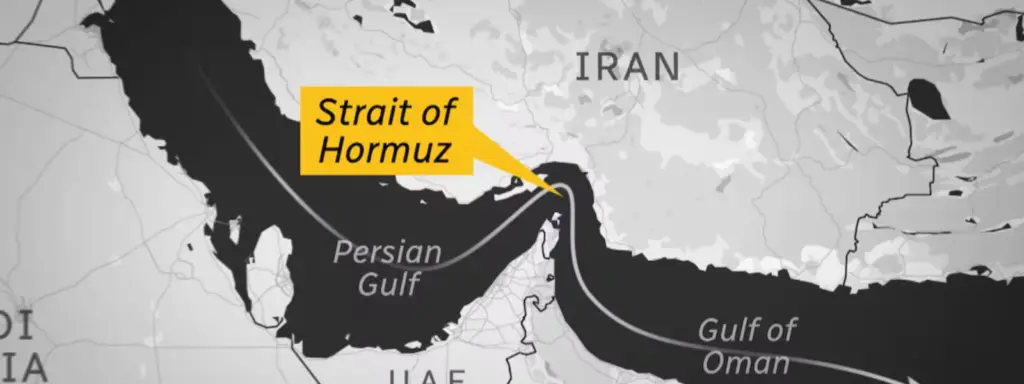
The Strait of Hormuz is one of the world’s most important maritime routes for energy exports. Every day, a lot of oil and liquefied natural gas from around the world goes through this narrow passage.
Any problems with shipping in the strait can quickly change the prices and supply chains of energy around the world. Because the region is important to the economy, governments and energy markets keep a close eye on what happens there.
Critics Say Economic Risks Were Underestimated
Some former officials and analysts say that the economic risks of the conflict were not fully taken into account. Energy and financial agencies have traditionally been in charge of predicting how military actions will affect the global economy.
Sources who know about planning talks say that these economic assessments did not get as much attention as they did in previous administrations. This method may have helped cause the market disruption to be bigger than expected.
Recommended Article: Trump Leaves Troop Deployment Option Open in Iran War
Shipping Industry Requests Naval Escort Protection
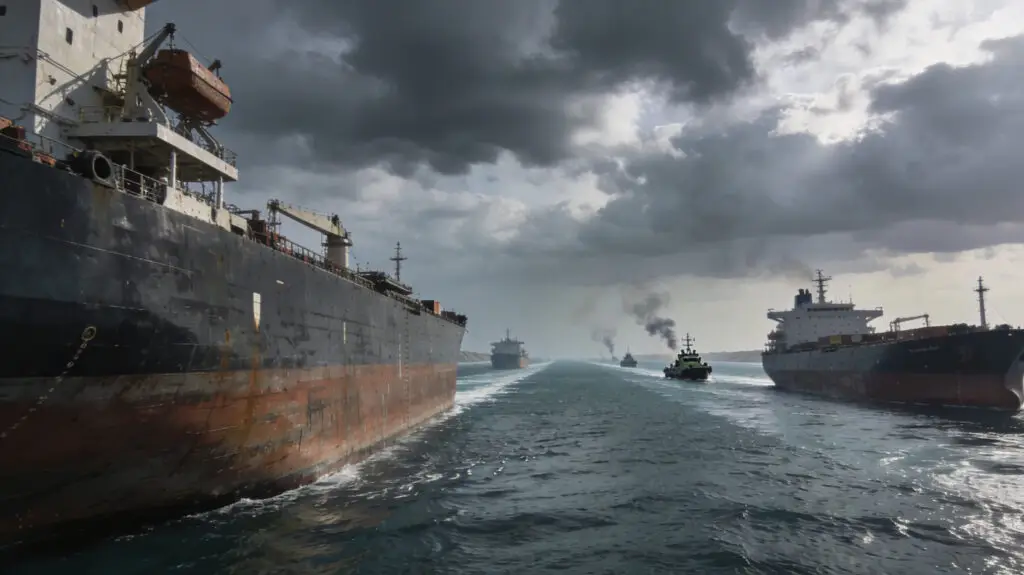
Shipping companies and energy companies have asked the military to protect tankers that pass through the strait. Leaders in the industry are worried that Iranian drones, missiles, or mines could pose a threat to commercial ships passing through the narrow corridor.
Reports say that US military officials have turned down several requests for escorts because of operational risks. Commanders think that the current security situation makes it hard to do large-scale escort operations.
Pentagon Faces Operational And Security Challenges
Military planners say that guiding a lot of commercial ships through the strait is very hard. Tankers that move through narrow waterways could be easy targets for missile or drone attacks.
Defense officials say that the current naval assets are still focused on larger military operations connected to the conflict. Limited resources and ongoing threats make it hard to protect shipping lanes right away.
White House Downplays Energy Market Turmoil
President Donald Trump has publicly downplayed worries about how the conflict will affect energy markets around the world. He said that tanker crews should keep working even though security risks are getting worse in the area.
Officials from the administration also said that problems with energy markets would probably only last for a short time. They think that long-term strategic benefits may be more important than short-term economic instability.
Global Energy Markets Face Continued Uncertainty
Energy companies and government officials still do not know how long the disruption will last. Concerns about oil prices and supply are already having an effect on global markets and economic forecasts.
Experts say that what happens in the future will depend on the state of the military and diplomatic efforts to bring peace to the area. The Strait of Hormuz will continue to be a major geopolitical flashpoint until shipping routes are safe again.